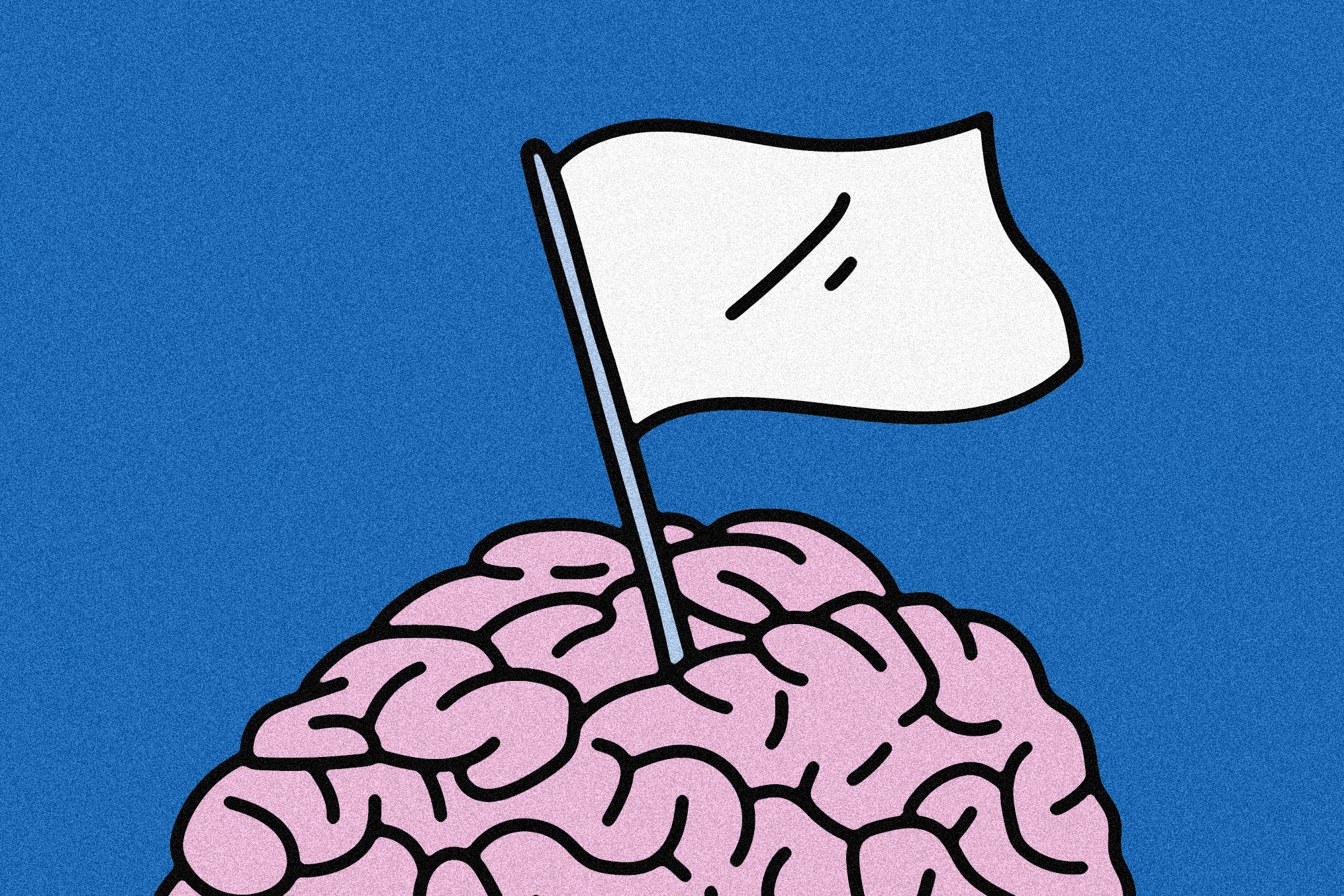
AI may be making our work better, but there’s also new evidence it’s making our thinking worse. When AI tools are accurate — and they’re getting better every month — the gains can be profound. The costs are less obvious but could be just as real: a steady erosion of our natural intelligence.
Imagine hiring a personal trainer. Your goal is to get stronger. But when you go to the gym, you tell your personal trainer to lift the weights for you. The next hour is a blur of motion as “you,” via your hired muscle, lift more than ever before in your life. Each time you call out another set, the trainer lifts hundreds of pounds with perfect form. Having never broken a sweat, you inscribe your name on the building’s wall of fame. That, in a sense, is what many do with AI when they direct it to solve the algebra equation, draft the client memo or write the code, achieving the task at hand, but eroding their own ability to accomplish it. If all you care about is outputs — weight lifted or code shipped — the results can be virtually indistinguishable from having done the work yourself. But if you care about becoming a stronger, more skilled, and more capable person, this kind of AI assistance can leave you empty handed.
Can you use AI in the mental gym without losing cognitive muscle? The answer boils down to deciding what work we want to do and what we’re willing to offload to machines. A few recent studies point the way toward preserving what makes us human amid the rise of artificial intelligence. Is AI on your mind? Write me at climatecoach@washpost.com. I read all your emails.
|













No comments:
Post a Comment