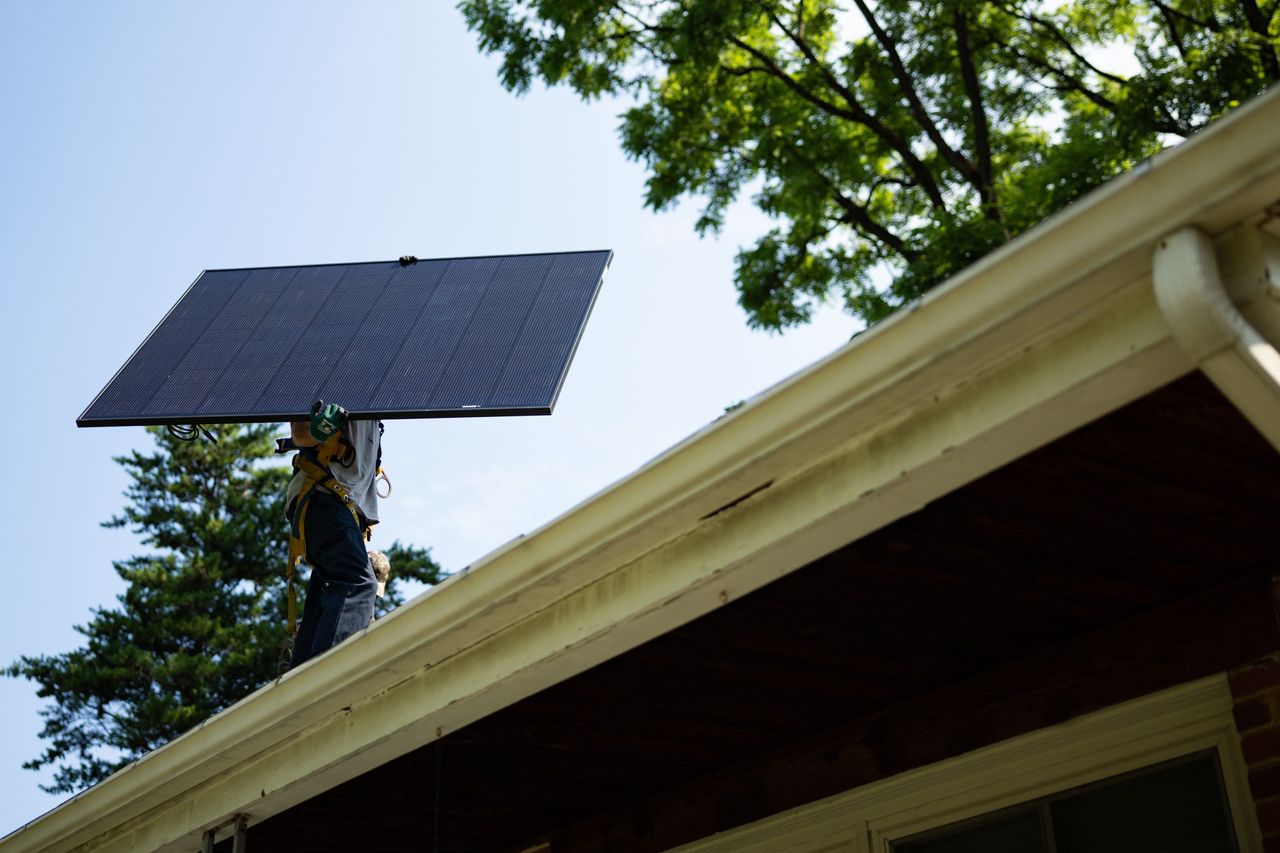
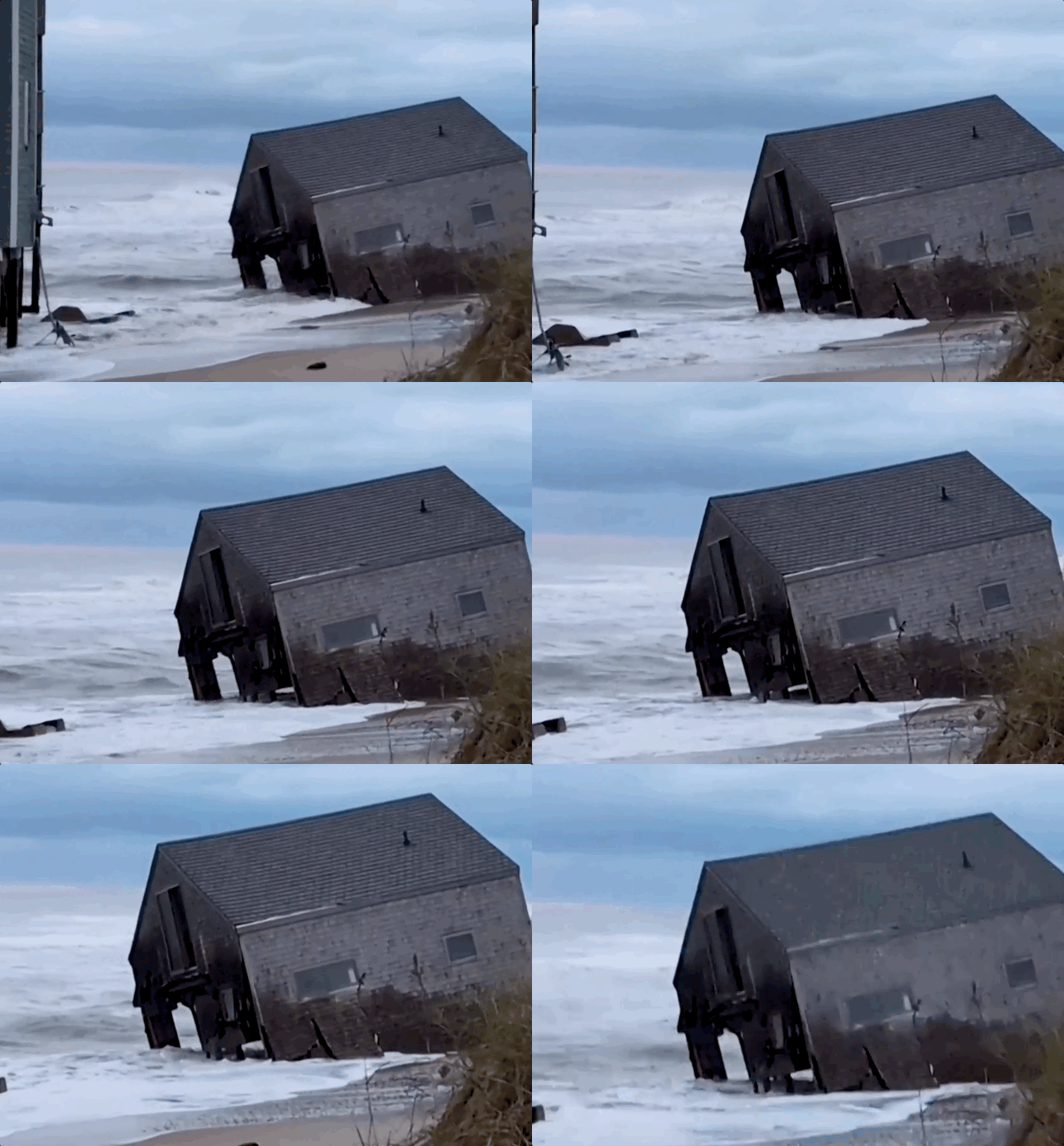
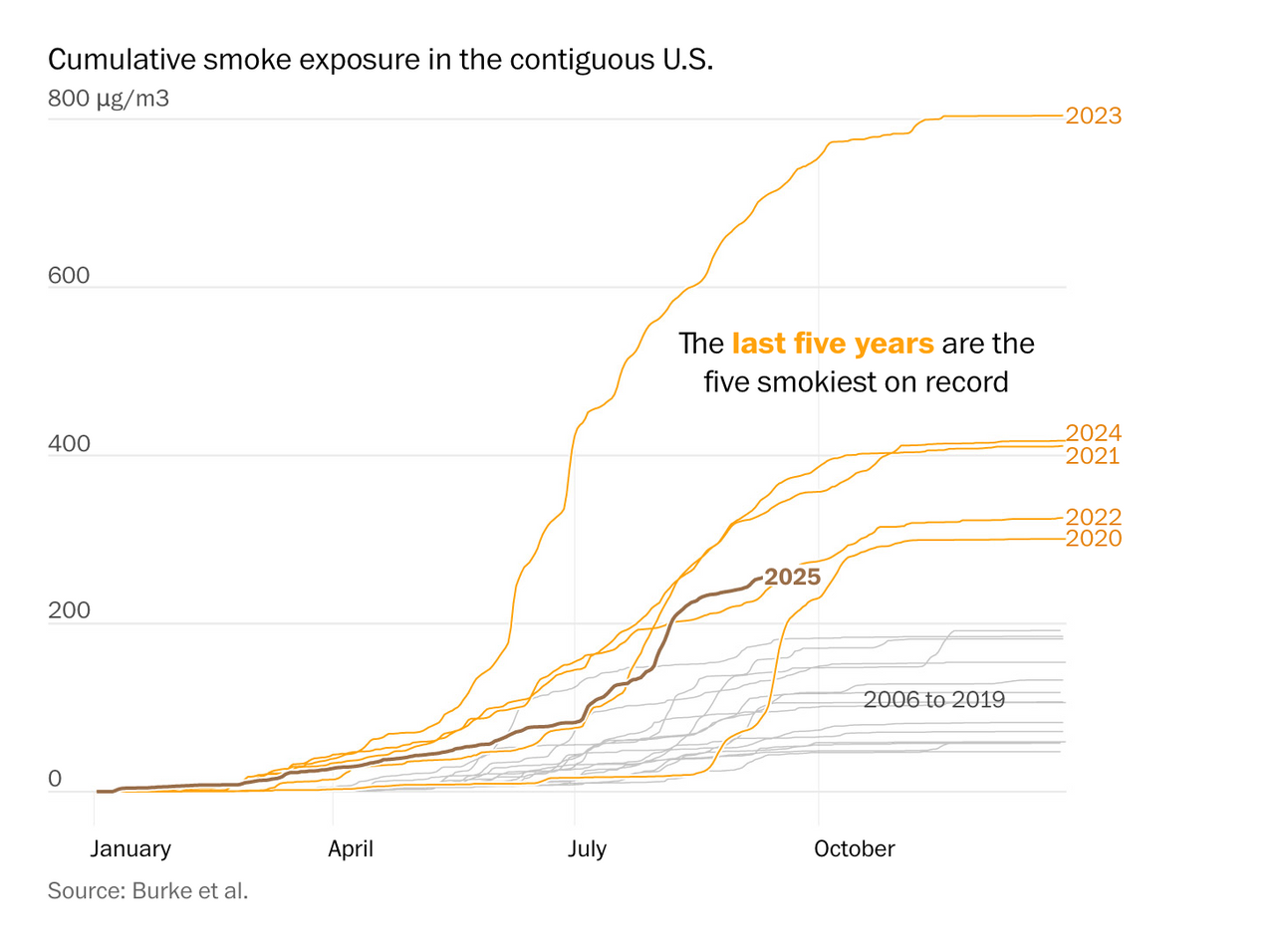
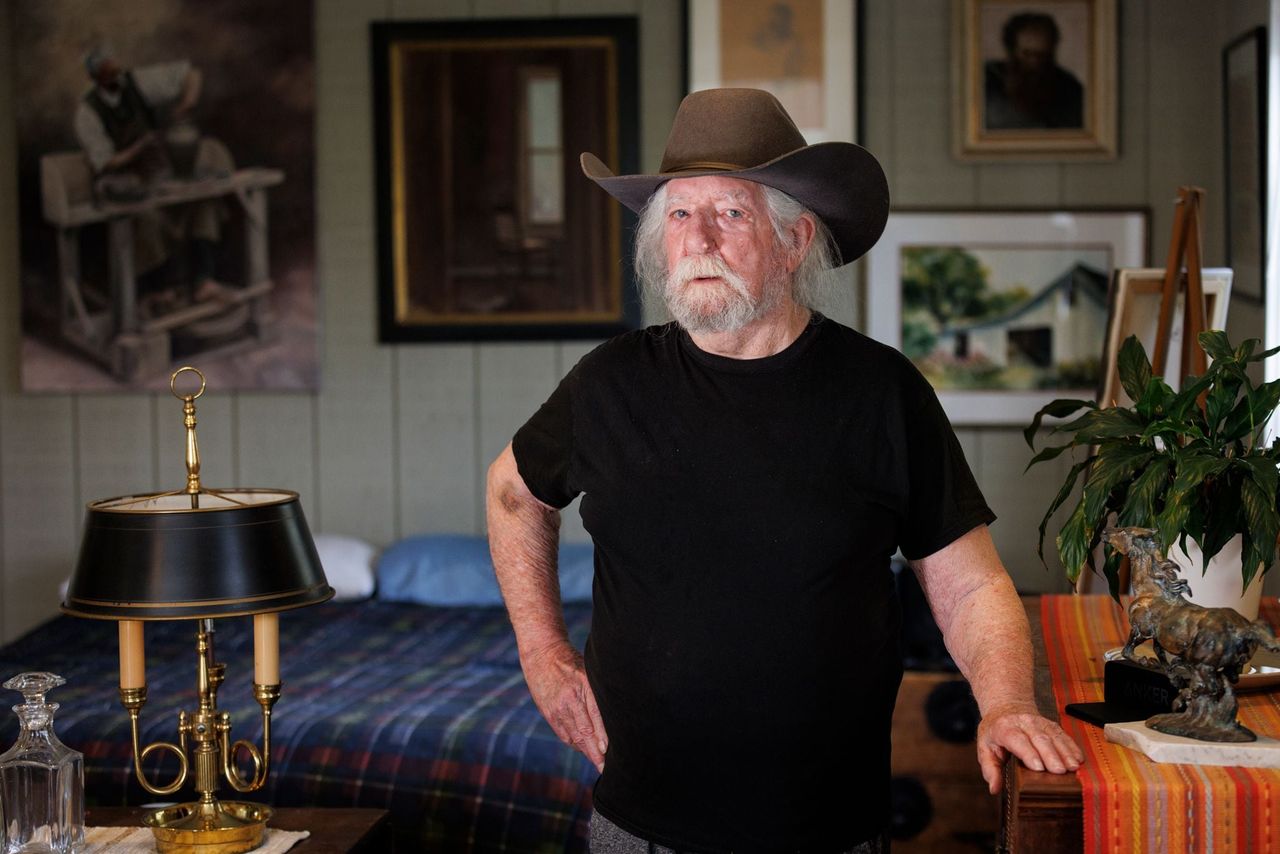
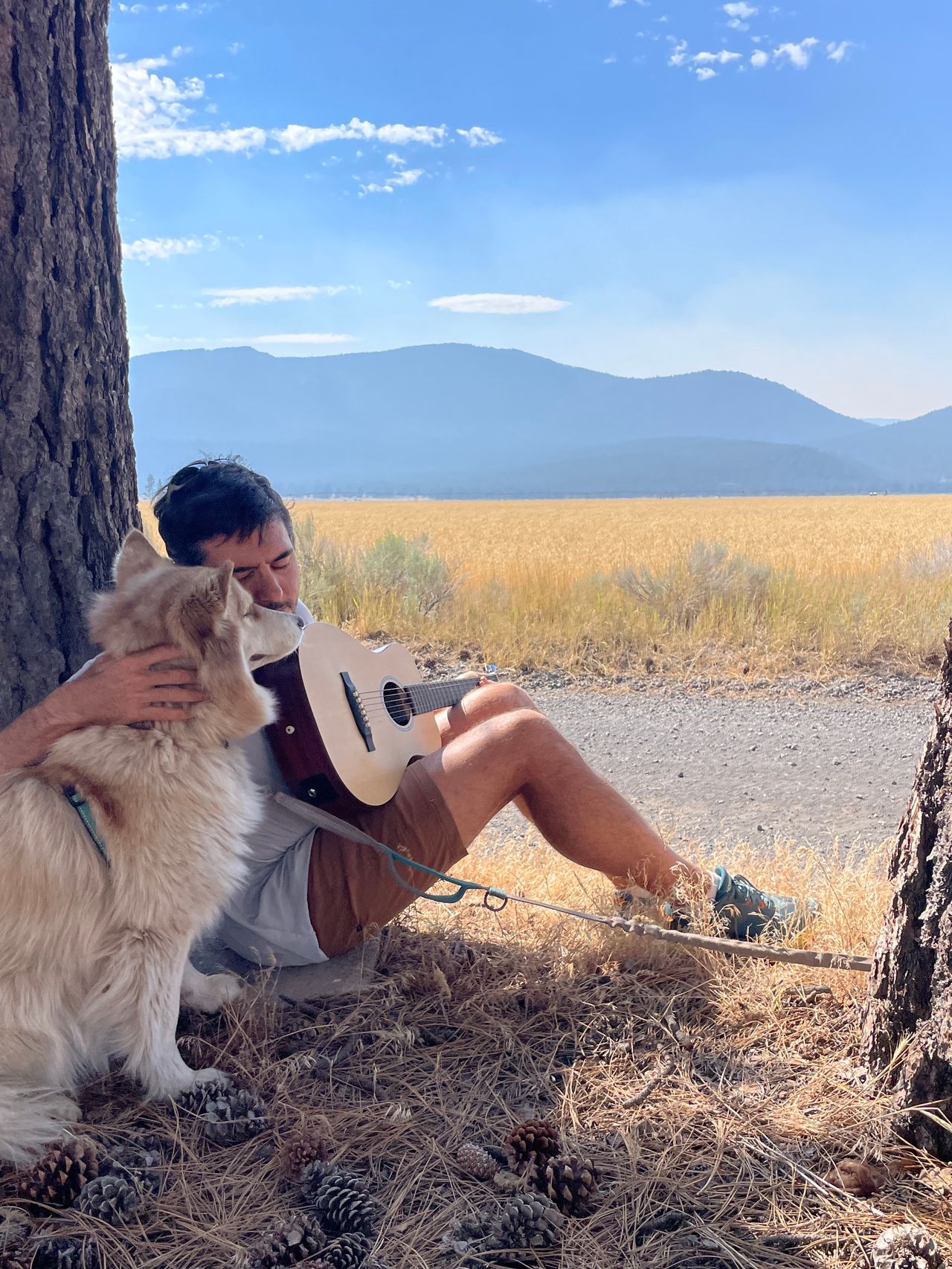
| | | | | Solar panels are installed on the roof of a home in Kensington, Maryland. (Maansi Srivastava/For The Washington Post) | | Like Cinderella rushing home from the ball, Americans are racing to buy solar panels before the clock strikes midnight. On Dec. 31, a generous federal rooftop solar tax credit will expire thanks to the One Big Beautiful Bill signed by President Donald Trump in July. The credits, worth about $8,000 on average last year, have helped U.S. homeowners install thousands of megawatts of solar panels. If you've been weighing whether to go solar, you might feel this is the moment. If you aren't ready to make the leap, you may worry your chance is slipping away. But that's almost certainly not the case. Getting rid of subsidies could end up being good for the future expansion and affordability of solar in the United States. Yes, out-of-pocket costs will rise in the short term with the end of tax credits, and solar industry analysts predict a sharp drop in the pace of installations. The Trump administration has also dealt other setbacks to the industry: withdrawing federal support for solar manufacturers and imposing steep tariffs on solar panels from China and Southeast Asia, as well as on the components needed to assemble U.S.-made solar arrays. Some fear that residential solar is on "the brink of collapse." It's not. Researchers and industry players I spoke with described rooftop solar as a mature technology that should no longer need to depend on subsidies. They also noted that unnecessary installation costs and shady sales practices have made residential solar more expensive in the United States than almost anywhere else in the developed world. Read the full column and write me with your questions at climatecoach@washpost.com. I read all your emails. |  | Field Sample The sea claimed yet another house on North Carolina's Outer Banks last week. A dozen homes on Hatteras Island have washed away due to erosion, rising seas and churning storms over the past five years. | | Solutions are scarce. While the government has purchased — and proactively torn down — a few homes, there isn't money to purchase the many properties at risk. Read the full story. | Learning Curve Every year, wildfire smoke fills millions of Americans' lungs. Forty-one thousand of them will die annually from this exposure, according to a new study. That's more than all the fatalities from traffic crashes in the United States in 2024. | | Ted Pellegatta said he found the secret of a happy life. (Luke Christopher/Foothills Forum/Rappahannock News) | | Where can a "hard Democrat" and "raging liberal" sit down for coffee with a bunch of die-hard MAGA supporters — then hug when they say goodbye? Before & After coffee shop in the rural village of Sperryville, Virginia. That's where Ted Pellegatta, a former Marine and odd-jobsman, brought people together to talk, argue and find their common humanity. "At a time when half the country can't talk to the other half," writes Post columnist Dana Milbank, "he found a way to get people to discuss and sometimes to argue politics while still respecting — and even loving — one another." Regulars said the gatherings sponsored by Pellegatta, who died of cancer at the age of 85 last month, helped vanquish their common foes of loneliness and isolation. "This is the most cherished spot in my life," says Ted Goshorn, 77, a former sharpshooter who now repairs HVAC systems, of the gatherings at the Before & After. Read about one community's key to happiness. |  | The Second Degree Last week, I made the case for letting kids out of our sight and asked for stories about your childhood adventures. Boy, you delivered. Almost everyone praised the freedom they had to roam as children, despite a handful of close calls and sketchy characters, and they mourned the loss of that freedom for many children today. Laura said she tries to give her own children the sort of opportunities she had growing up, when "no one knew where we were and we had total freedom." But twice in her Massachusetts community, people have called the police to check on her children while walking and biking. "The cops thought it was ridiculous," she wrote, "but my kids were a bit freaked out." Kathleen Francis, "one of those '50s kids," recalled ice skating unsupervised at a pond in the woods about a half mile from her home. "When our friend Chris fell through the ice one day, we just had to figure it out ourselves," she wrote. "Fortunately, all was well, except for a cold walk down the hill for one very wet kid." Kathleen is now a physician. "Was it a perfect childhood?" she asks. "No, because there's no such thing. Would I want any other kind of childhood? Absolutely not." Shannon said she moved to a neighborhood specifically so her kids could have a wider home range than she did growing up. The key: public transit, safe walking and biking paths, and neighbors willing to "keep a gentle eye" on neighborhood kids (something hard to find in overpoliced neighborhoods). "Thankfully, our neighborhood is very diverse, with a great number of neighbor 'aunties' and children of many ethnicities and backgrounds allowed to play without parents," she wrote. Robbin of Chicago said that in 1961, her mom walked her as a 5-year-old more than half a mile to kindergarten. Before long, she wrote, "I walked there and back on my own." Lauren, a "feral child" of the 1960s and '70s in the Philadelphia area, said she tried to give her own children that freedom in northern Colorado (even while keeping a careful eye out for mountain lions and black bears). As soon as they graduated, they struck out on their own. "I missed my kids," she wrote, "but am glad for my kids that they fledged successfully. I think feral childhoods and, when possible, outdoor childhoods were and are the ticket." |  | On the Climate Front From The Post: EPA tells some scientists to stop publishing studies, employees say. He got an entire country running on clean energy in five years. Can he do it again? National parks remove signs about climate, slavery and Japanese detention. Judge deals Trump's war on wind its first major setback. From elsewhere: California is in the middle of its energy transition. It has lessons to teach, says KQED. One of the rarest birds in the world is thriving in Hong Kong, reports the AP. Brazil is the first nation to invest in the "Tropical Forests Forever" fund, according to Reuters. | | Summer is over, and fall is here. In Northern California, that means the rainy season is mere weeks away. Below, Miska says goodbye to the summer somewhere between Bend, Oregon, and San Francisco. What does the end of summer look like where you are? As always, send photos to climatecoach@washpost.com. | | Sign up here to get The Climate Coach in your inbox. Michael Coren, Climate Coach | | |







No comments:
Post a Comment