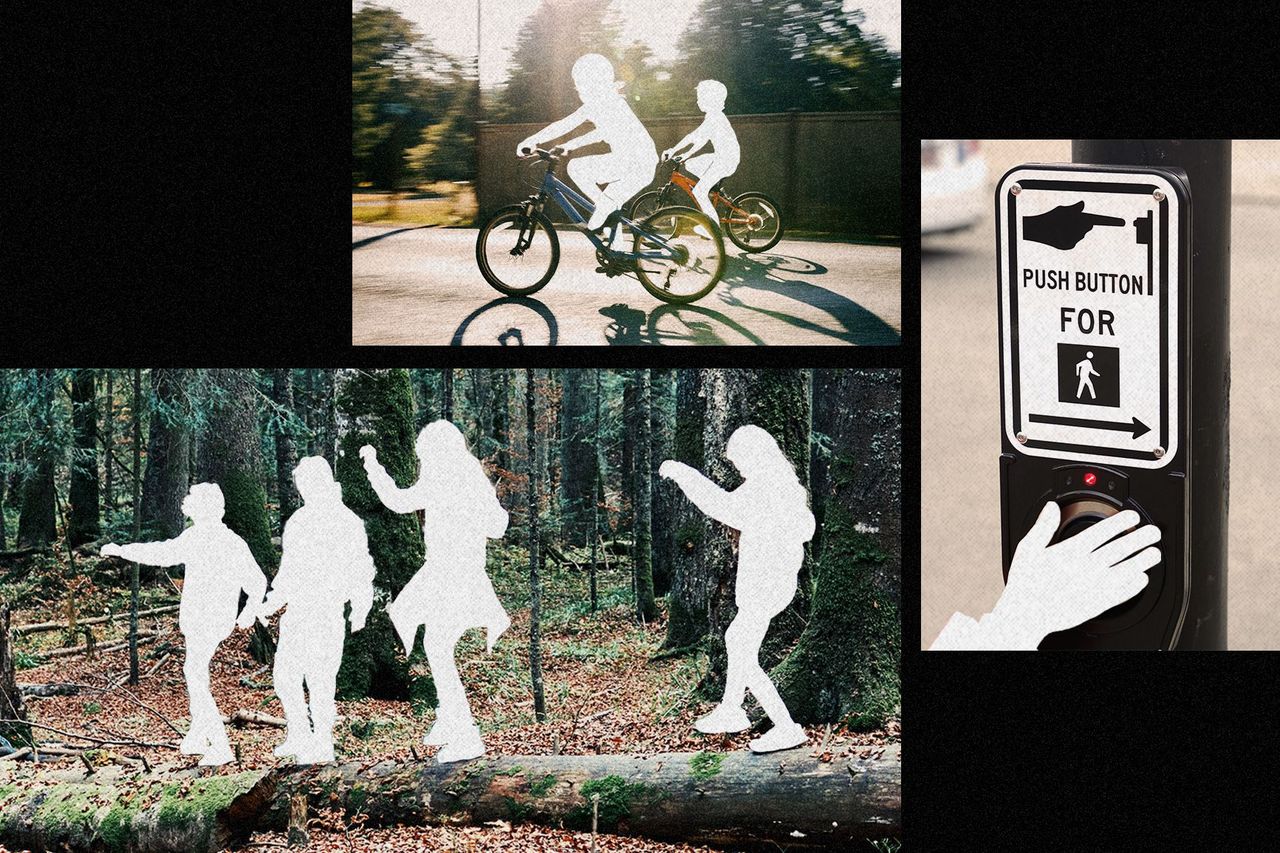
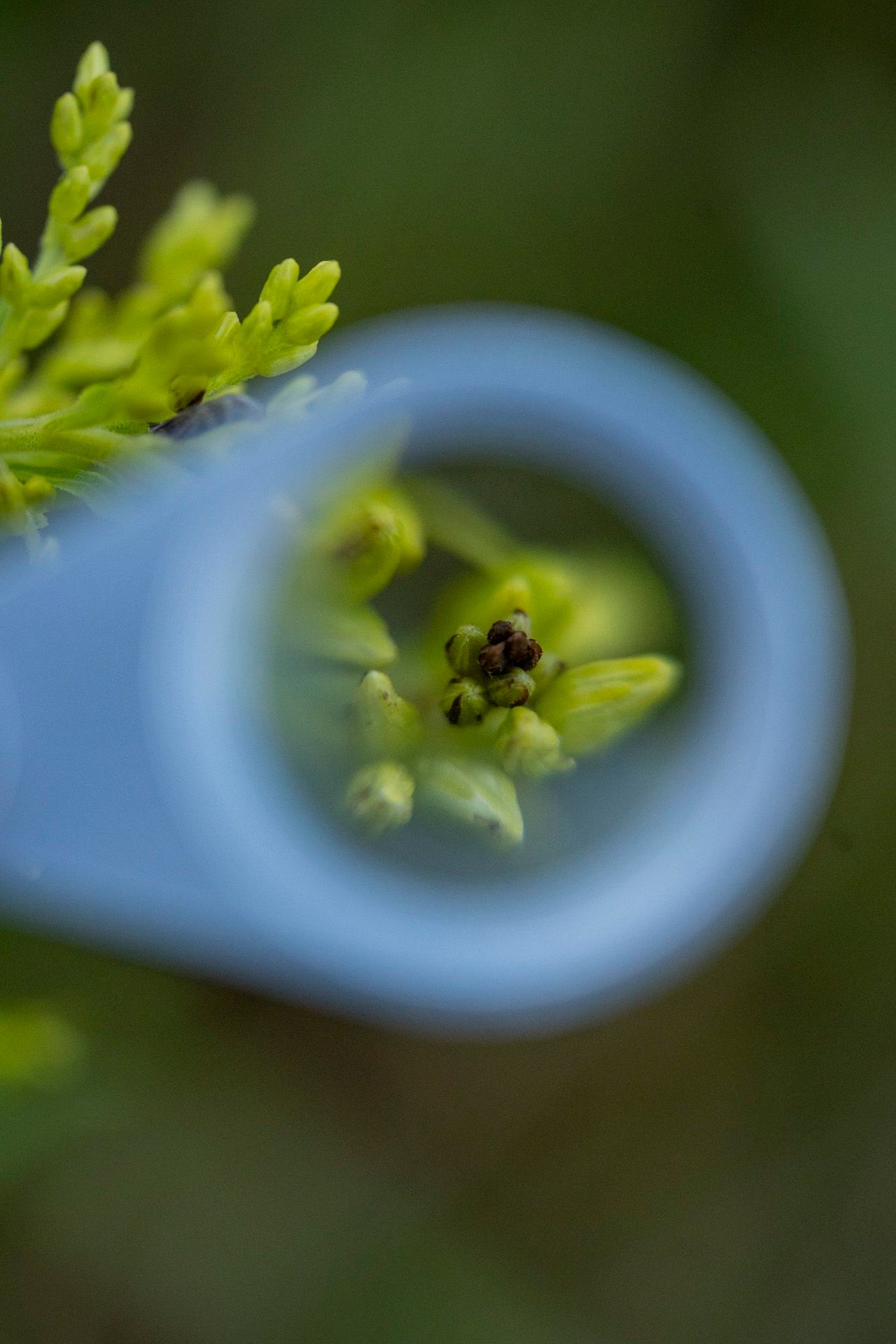
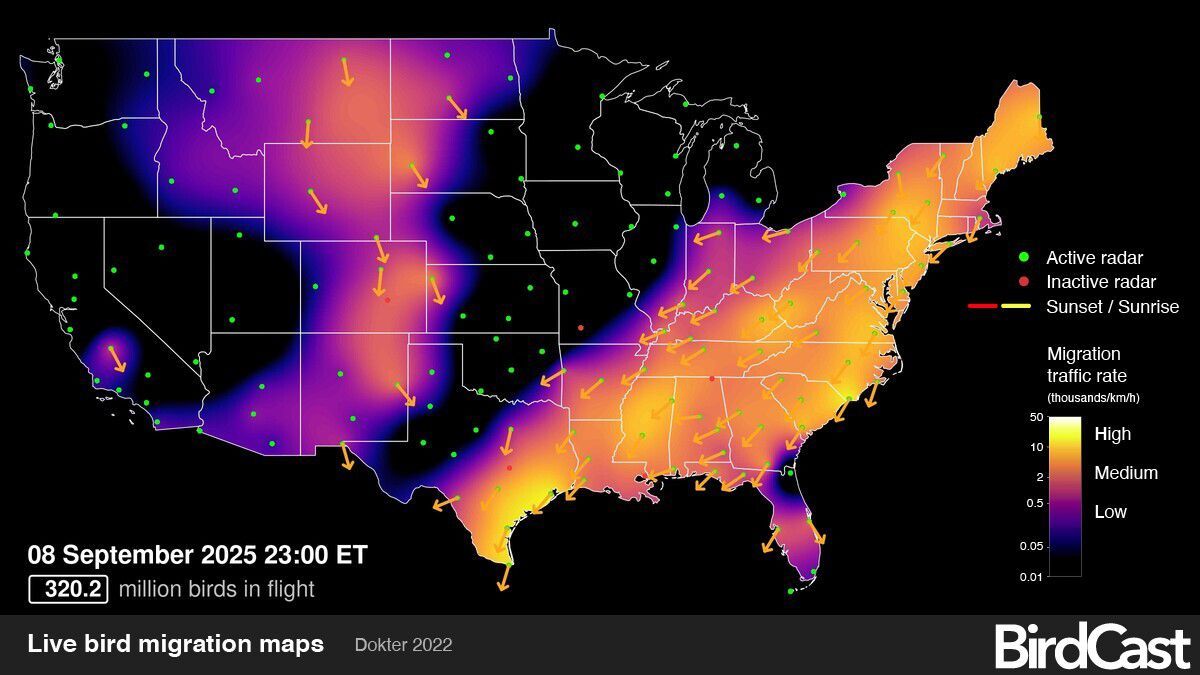
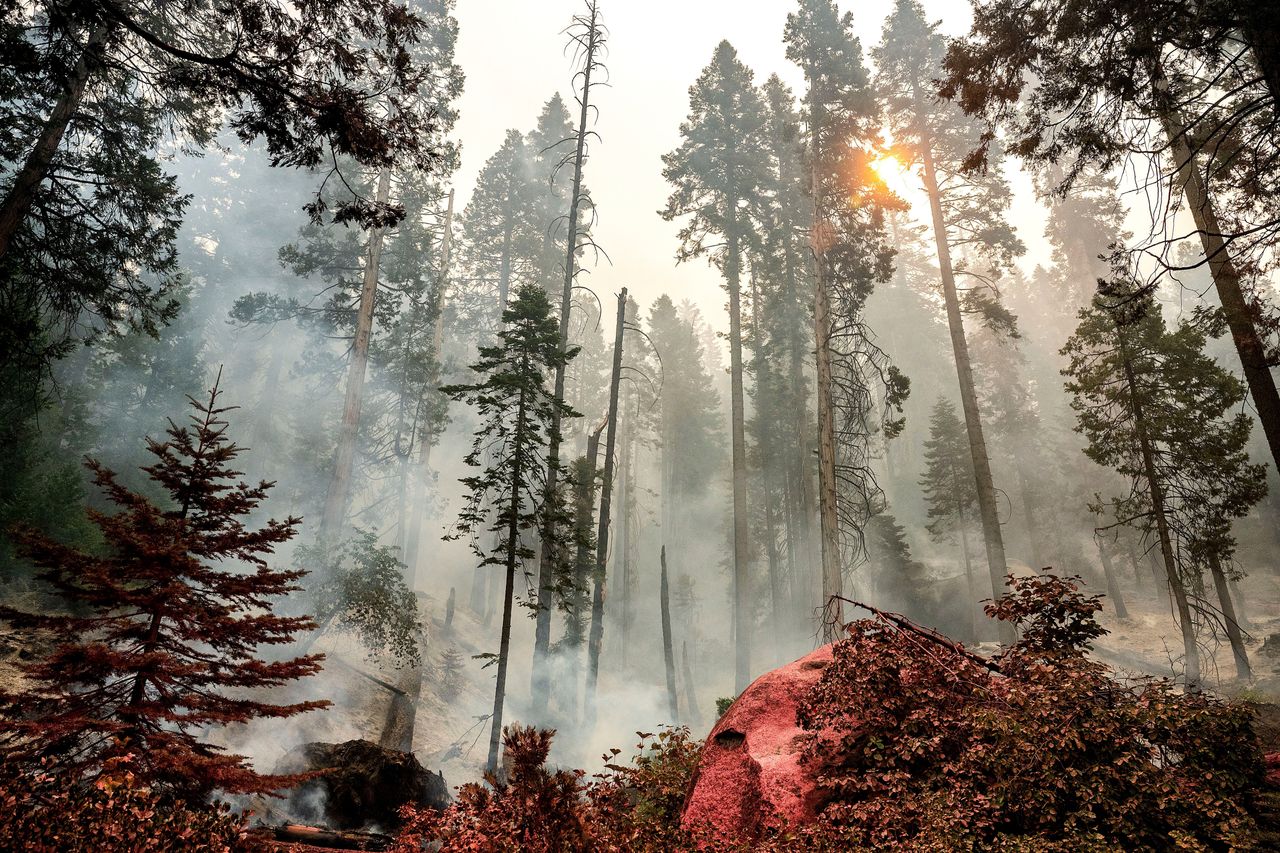
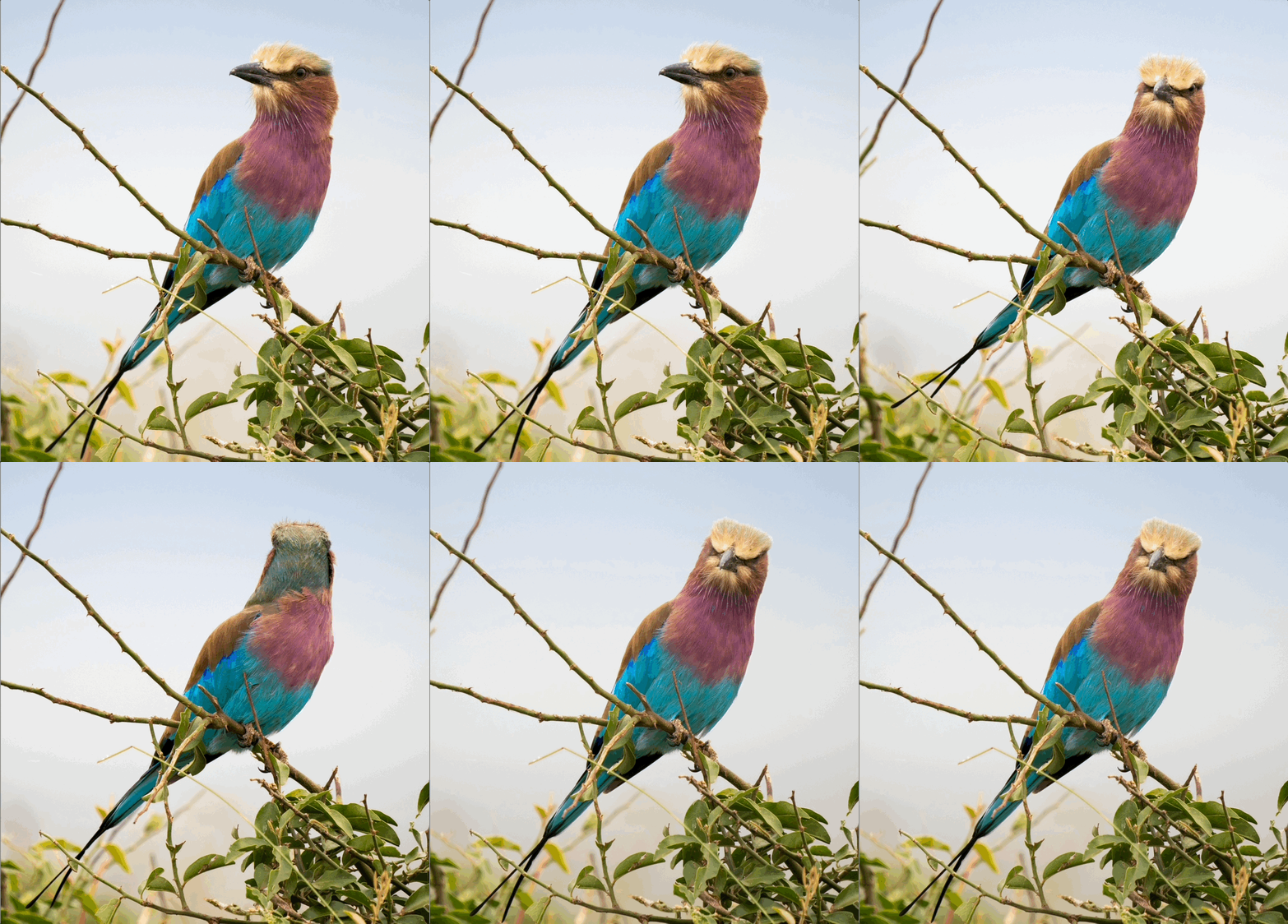
| | | | | Washington Post illustration; iStock | | Every summer as a child, I waved goodbye to my parents, jumped on a bike and disappeared with friends into the woods and mangroves near my house. Rarely did we run into (much) trouble. Once I broke my wrist tumbling off a rickety tree fort. Another time we started a small fire in a nearby field. A neighbor wisely dispatched the fire department, unconvinced that "we had it under control." Those experiences anchor my memories of childhood — and my sense of self. If my parents trusted me enough to go out on my own, make mistakes and learn from them, I could believe I was someone capable of doing so. Once I mastered my "home range," I was ready for the world. My first job after college was in Cambodia. But the home range most children have is shrinking. Coined in the 1970s, the concept describes how far from home children can travel, play and explore on their own. This independence was once measured in miles. Today, it's often in feet — if kids may leave home alone at all. Researchers in Britain have mapped this diminution. Helen Woolley, a landscape architect at the University of Sheffield, interviewed three generations of the same family in the summer of 2012. The grandparents recalled traveling up to three kilometers (nearly two miles) from home without adult supervision in the 1950s. A few decades later, the parents' unsupervised range shrank to about 500 meters, mostly to parks, playgrounds and friends' homes. The latest generation — a girl, 6, and boy, 10 — could not go anywhere without permission, even to a friend's house next door. | 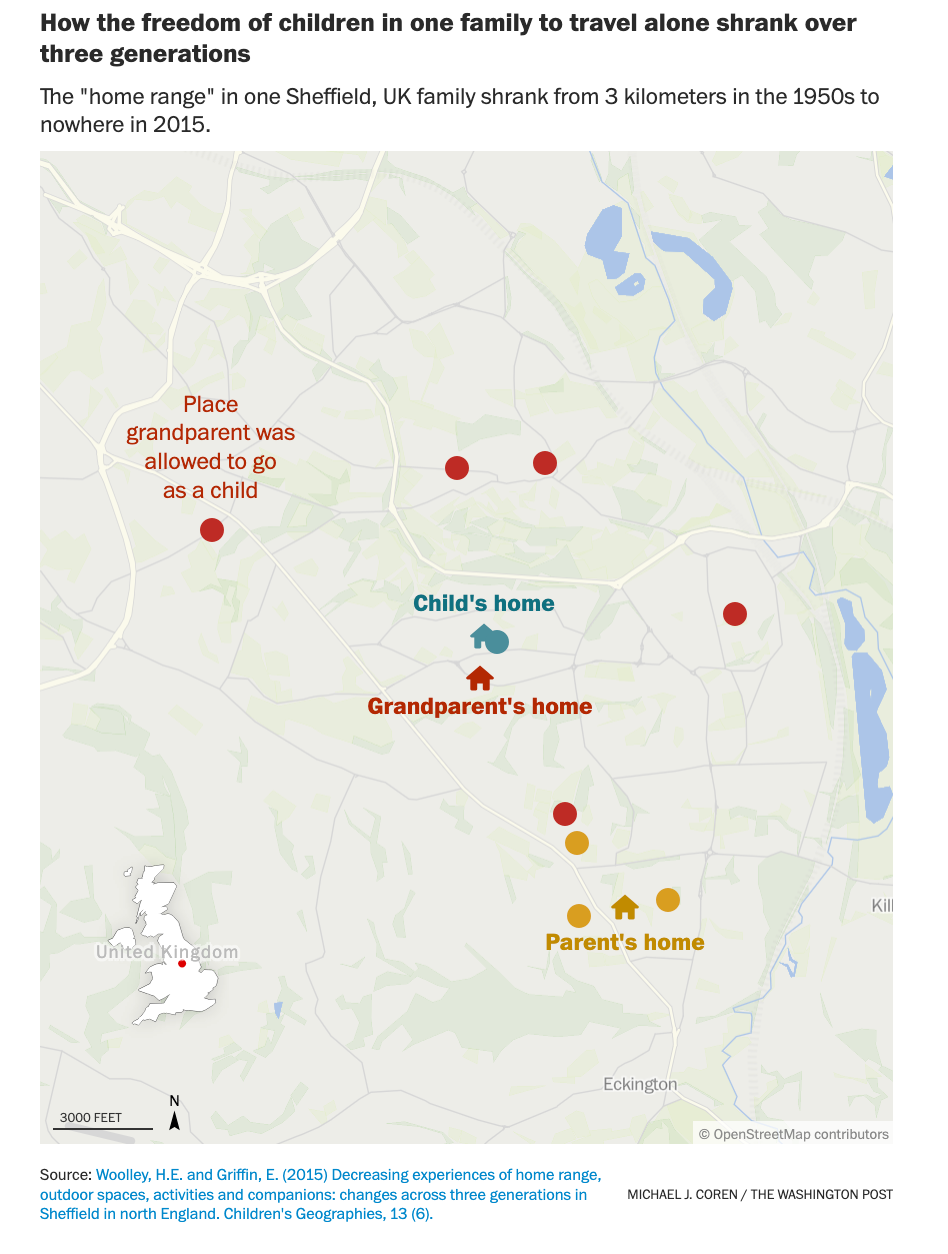 | | Along with a decrease in roaming distance, researchers have documented a narrowing of the types of activities and destinations children are allowed to pursue on their own. And in many societies, the age of independence has been creeping higher and higher. Researchers at London's University of Westminster studied children's mobility in 16 countries. They found that a large proportion of children under 11 years old could not cross main roads, walk around their local area or travel home from school in nearly all of them. In several countries, even 15-year-old children weren't allowed to do these things. Children may have never been safer. But at what cost? Limits on independence, argues Peter Gray, a research professor of psychology and neuroscience at Boston College, have gone hand in hand with a rise in childhood anxiety and depression. Without unstructured time to play outdoors and among themselves, children may have a harder time developing into confident adults. They are also more likely to grow up disconnected from the natural world, and more likely to suffer mental and physical health harms from spending less time in nature. "Risky play is essential to growth," agrees Pooja Tandon, a pediatrician and researcher at the Seattle Children's Research Institute. "Children need some exposure to test their boundaries." The goal should be to keep kids as safe as necessary, not as safe as possible. Here's how to give children back their home range and keep them safe. Read the column here. How far did you roam as a kid? Send me your stories at climatecoach@washpost.com. I read all your emails. |  | Field Sample Dana Milbank is on the hunt for hidden beauty. Formerly a political columnist for The Washington Post, Milbank has turned his attention to rekindling our innate sense of awe and finding antidotes to the "dehumanizing cauldron that is our current politics." "I believe extraordinary beauty exists in ordinary things all around us, all the time," he wrote in his inaugural column last week. "We just have to slow down long enough to see it." | | Goldenrod in a field in Sperryville, Virginia. (Carolyn Van Houten/The Washington Post) | Learning Curve Life is on the move. Each year, as summer temperatures fall, animals head south. Weather radar captures some of these mass migrations. Hundreds of millions of birds take flight each night on their southward journey, lighting up radar across the eastern half of the United States. | | A map of the bird migration derived from weather radar. (Birdcast) | | In the Mid-Atlantic, weather radars blazed blue, green and yellow, typically indicating rainstorms. In fact, massive clouds of spotted lanternflies, invasive insects native to Southeast Asia, were descending en masse across the region after surfing air currents as high as 3,000 feet. Read more about the remarkable flights of the birds and the bugs. | Snapshot Sequoia trees, the world's largest, can endure for millennia. But California wildfires, burning hotter than ever, are threatening these gentle giants. This month, firefighters attempted to save trees in the McKinley Grove — home to hundreds of sequoias — from the Garnet Fire that has blazed through thousands of acres of the Sierra National Forest. They ran a 24-hour sprinkler and climbed more than 20 stories into the canopy to extinguish crown fires. Their efforts appear to have worked. Read about the sequoia trees' survival. | | The Garnet Fire burns in the McKinley Grove area of the Sierra National Forest in California on Sept. 9. (AP Photo/Noah Berger) | The Second Degree Last week, I wrote about how fire researchers are burning down homes to show how to save them. Some of you wrote to object to "ill-conceived clear-cut zone zero clearance mandates" in California. Rules are set to be finalized by the end of the year — and may be mirrored across the West. Fortunately, these do not need to clear away all vegetation, as some assume: Well-pruned trees without low-hanging branches can stay. I'll be writing about how to create a beautiful, fire-safe home soon. One reader said they've taken every precaution: covering vents, clearing out vegetation near the house and relandscaping the property. But their neighbor, who rents out the house, has done almost nothing. "I'm not sure everything we're doing is going to save us," they wrote. "Our strategy is to evacuate early." |  |  | | In Kenya's Maasai Mara National Reserve, the country's national bird puts on a show. Dan Perlman captured this lilac-breasted roller mugging for the camera with winks, a turn of the head and a final grumpy grimace These "rollers," part of the avian family Coraciidae, live across much of Africa and warmer parts of Europe, Asia and Australia. Their name comes from their fantastic aerial displays, as Perlman once witnessed: "The bird flew a few hundred feet into the air and then … it just stopped flying. It tumbled most of the way down toward the ground before it resumed flying, returning high into the sky and repeating the performance. I still have a clear memory of its display almost a quarter century later." Send me your photos and stories at climatecoach@washpost.com | | Sign up here to get The Climate Coach in your inbox every Tuesday. See you next Tuesday, Michael Coren, Climate Coach | | |







No comments:
Post a Comment