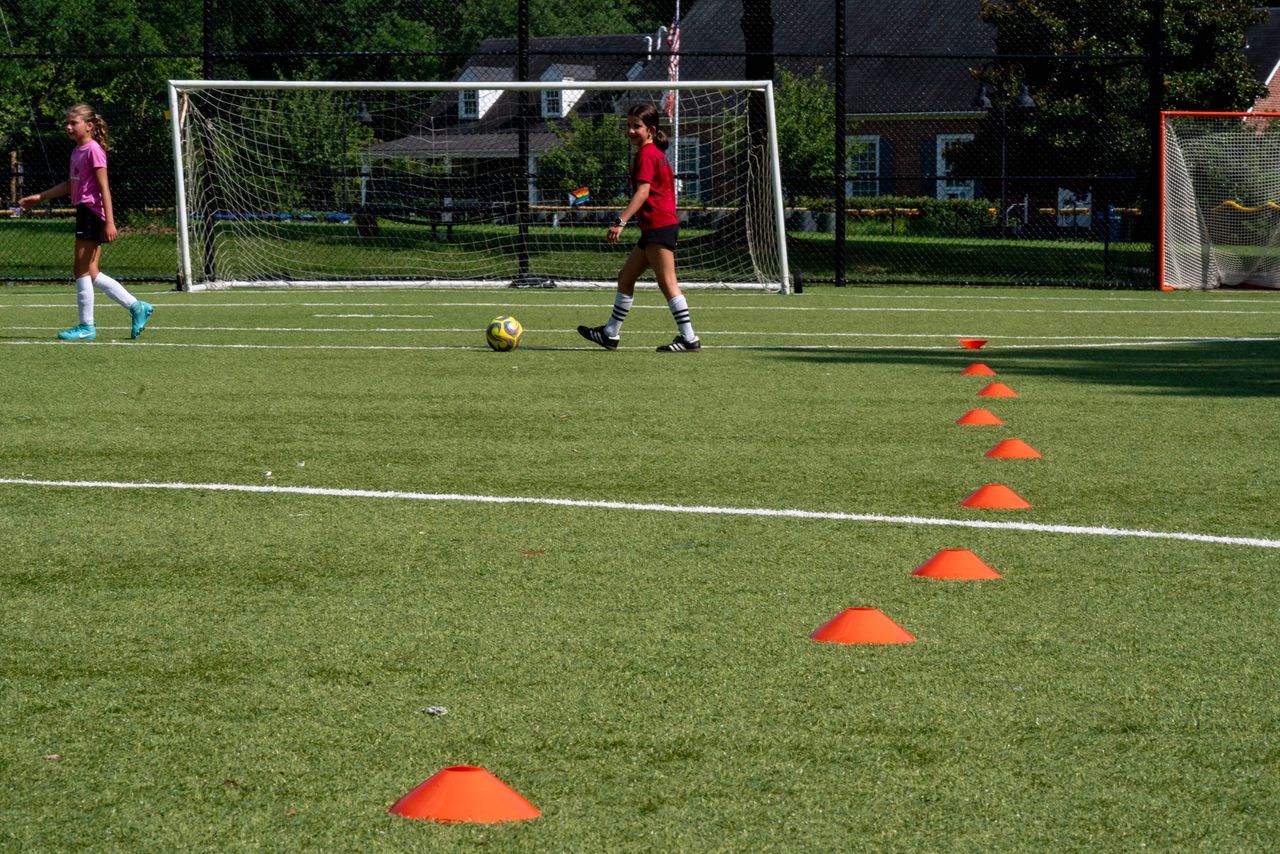
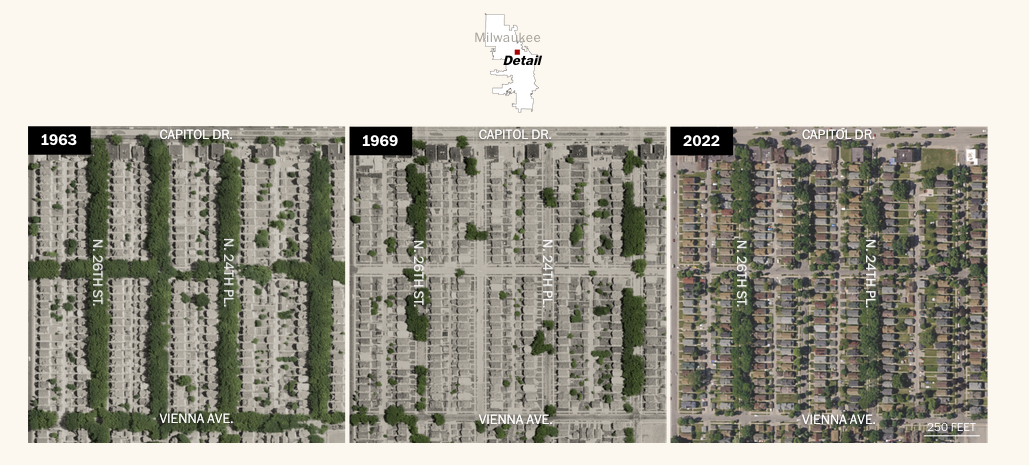
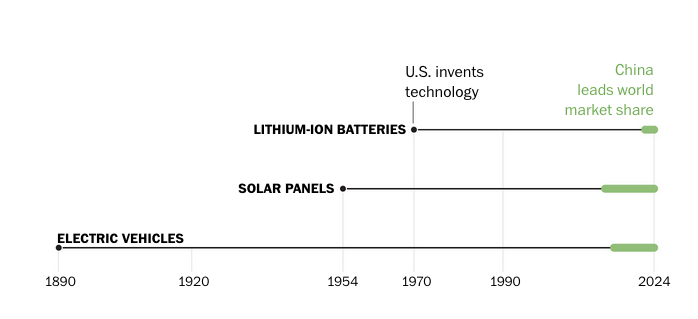
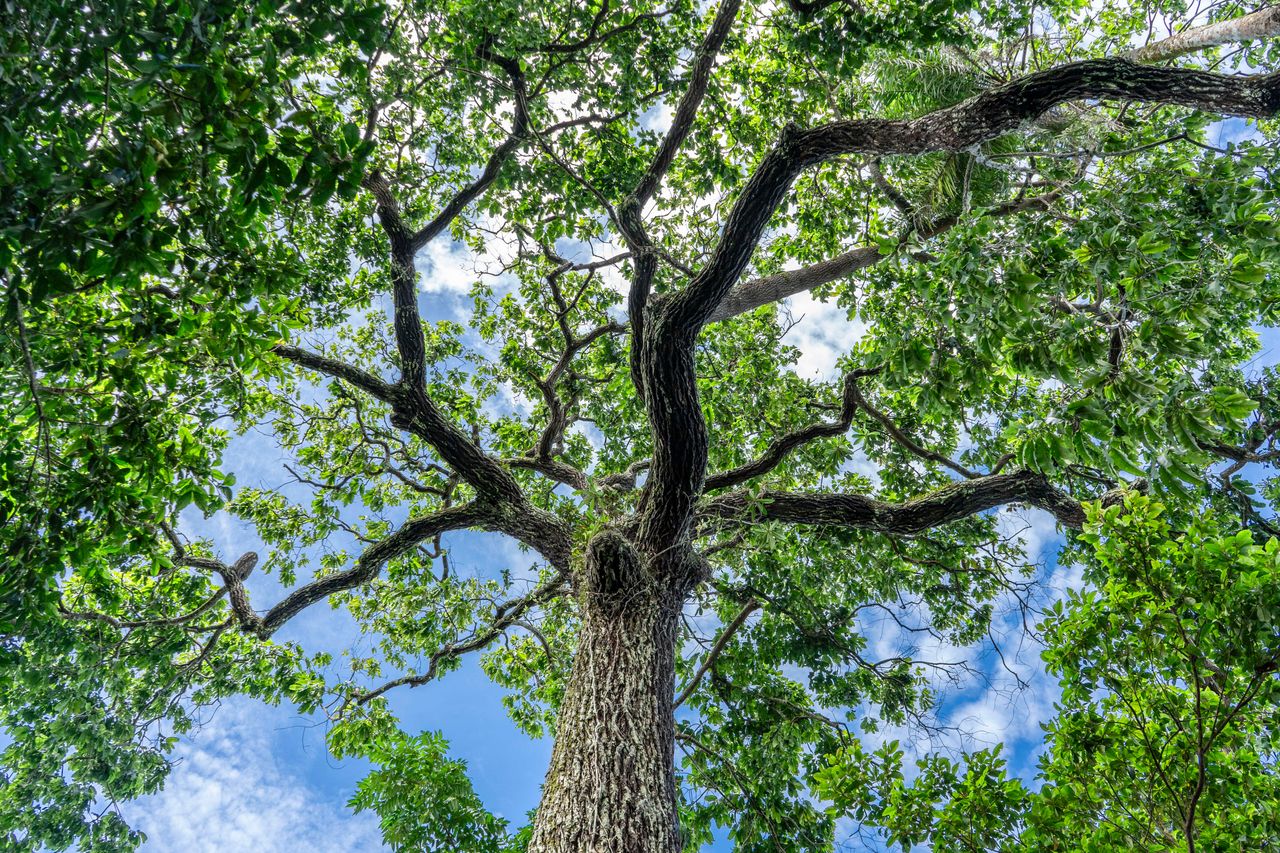
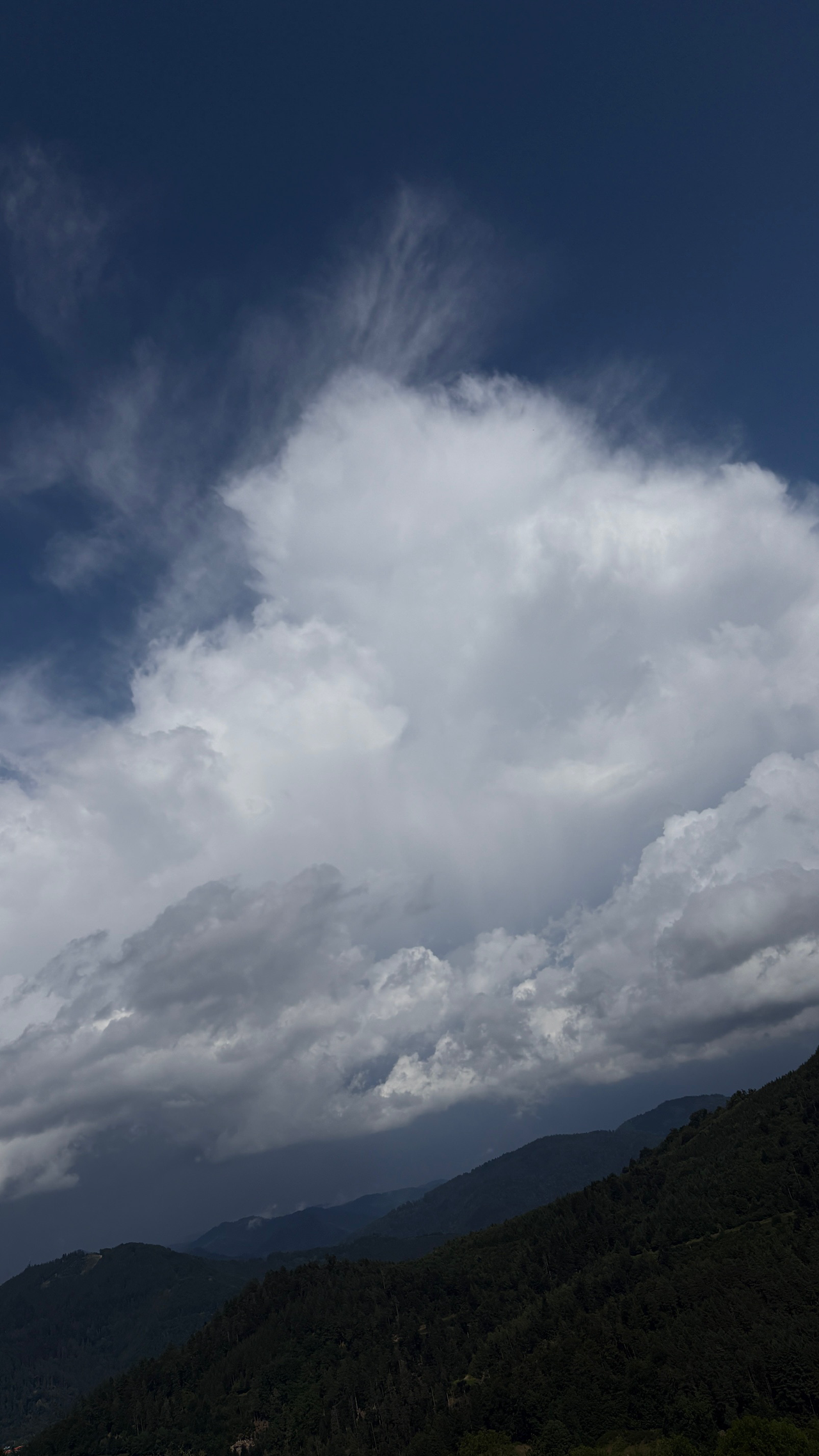
| | | | | Welcome. This week, a bold experiment to save the Amazon, and the Vatican works toward becoming the world's first climate-neutral state. But first, how to navigate the turf wars. | | Children practice soccer on a hot day at Palisades Recreation Center in Washington, D.C. (Maxine Wallace/The Washington Post) | | Yale epidemiologist Vasilis Vasiliou won't let any of his five children play on artificial turf fields. His research on the infill for synthetic turf — typically ground-up tires — identified the presence of dozens of known carcinogens, hormone disrupters, toxic metals and phthalates. What's really needed, he said, are rigorous studies showing the extent to which those chemicals find their way into young players' bodies and what that might mean for their health over time. Until then, Vasiliou said, "I would not recommend parents let their children play on there. Period." Given how fast we're replacing grass with turf, it's safe to say Vasiliou's views remain in the minority. North America has about 18,000 synthetic turf fields, with about 1,500 new ones added each year. If kids want to play soccer, football or lacrosse, chances are good they'll be playing on plastic grass. The turf industry pitches its product as a way to save money and extend playing time, while pointing to studies that show no link between artificial turf and health problems in children. "Synthetic turf is a safe and highly effective surfacing option that provides accessible year-round play, lowers maintenance costs, and reduces water needs and herbicide and fertilizer use," Melanie Taylor, CEO of the Synthetic Turf Council, wrote in an email. But skeptics like Vasiliou say existing studies weren't designed to capture the potential health and environmental risks of toxins in turf. Critics also question turf's alleged advantages over grass, especially its alleged cost savings. So how should a community decide what to install on new fields — or whether to rip up what they have? And how can worried parents decide if their kids should play on turf? Here's how to navigate the turf wars. What's your experience? Write me at climatecoach@washpost.com. I read all your emails. |  | Field Sample In the 1930s, Dutch elm disease arrived on American shores. A few decades later, more than 50 million trees were gone, many of which had shaded streets and homes. In many neighborhoods, the tree canopy never recovered. | | In some Milwaukee neighborhoods, tree canopy has not recovered to pre-DED levels 60 years ago. | | Today, as invasive pests invade the country, cities are racing to prevent a new wave of devastation. The solution? Diversify. By avoiding the same species, or genera, on every city block, pests are less likely to run amok. The Washington Post's Janice Kai Chen sourced tree inventory data from 35 cities to see what tree types make up our urban canopies — and how cities are changing that. What's needed is a coordinated effort to apply preventive treatments and insecticides, while urban foresters and nurseries embrace more diverse offerings. Read about the future of America's urban forest. |  | Learning Curve The United States once led in electric vehicles, solar panels and lithium-ion batteries. Now China does. What happened? All three were invented in the United States. William Morrison developed the first successful EV in 1890. Scientists at Bell Labs created the world's first commercially viable solar cell in 1954. And M. Stanley Whittingham, a scientist at Exxon, created the first functional lithium-ion battery in the 1970s. | | China seized the lead in all of the "new three" technologies, as it calls them, with two things: reliable policy and a push to adopt the new technologies. Read more about how the U.S. lost its early advantage — and how China surged ahead. | Snapshot Altamira became known as the "champion of deforestation" when Brazil's former military dictatorship inaugurated the Trans-Amazonian Highway here in 1970, carving a path of destruction through the heart of the Amazon. | | Castanheira, one of the largest trees in the Amazon. (Ana Mendes/For The Washington Post) | | This year, the Pará state government will test if the Amazon forest can restore itself. A degraded parcel of land here twice as large as Manhattan was leased to a private carbon credit company to safeguard and restore, reports Terrence McCoy, The Post's Rio de Janeiro bureau chief. Brazil has slowed deforestation, but it's edging closer to a possible tipping point, when the forest loses its ability to maintain its rainy ecosystem, transforming large swaths into degraded savannah. Read more about the experiment. |  | The Second Degree Last week, following the death of Buddhist scholar and activist Joanna Macy, I wrote whether a spiritual revival, not technology, is the prerequisite to addressing climate change. "Since when is an either-or-question?" responded one reader. "Spiritual revival sounds lovely, but isn't exactly a policy." True. Macy might have said: How do we formulate wise policy? Is this enough? Macy's insight over decades, was indeed that it's not an either-or question. One is impossible without the other. Another reader agreed, "spirituality is critical to that transformation, starting with MY spirituality. … Now, the fundamental spiritual question - where do I go from here?" For that, I can only reference the words of Austrian poet Rainer Maria Rilke (1875–1926). He was inspiration for Macy who translated his collection, "Letters to a Young Poet": " … be patient toward all that is unsolved in your heart and try to love the questions themselves like locked rooms and like books that are written in a very foreign tongue. Do not now seek the answers, which cannot be given you because you would not be able to live them. And the point is, to live everything. Live the questions now. Perhaps you will then gradually, without noticing it, live along some distant day into the answer." |  | | I'm always impressed by the images Climate Coach readers capture in their backyards — and the far reaches of the world. Silvia sends her "very best greetings from the Black Forest Region in the South of Germany." Send me your photos at climatecoach@washpost.com | | Was this email forwarded to you? Sign up here to get The Climate Coach in your inbox every Tuesday. See you next Tuesday, Michael Coren, Climate Coach | | |






No comments:
Post a Comment