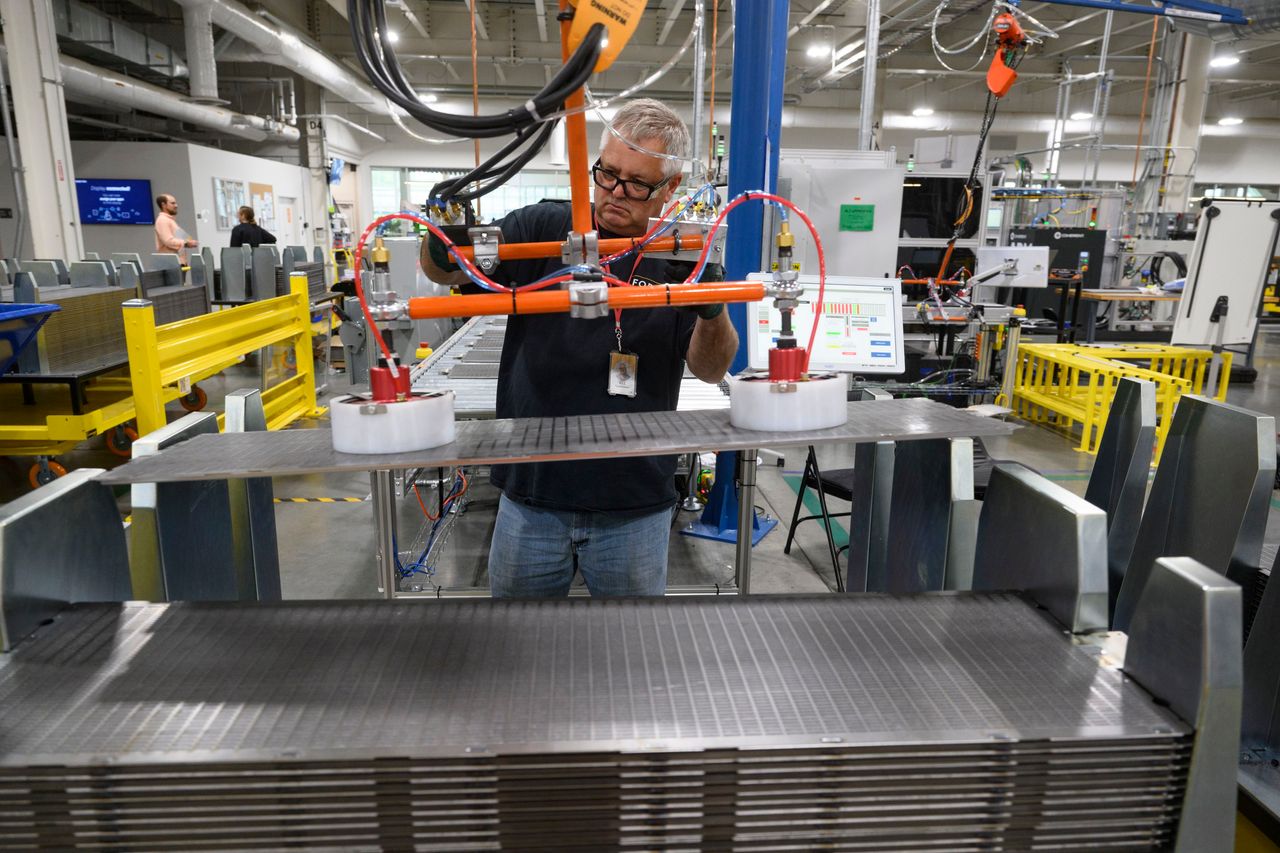
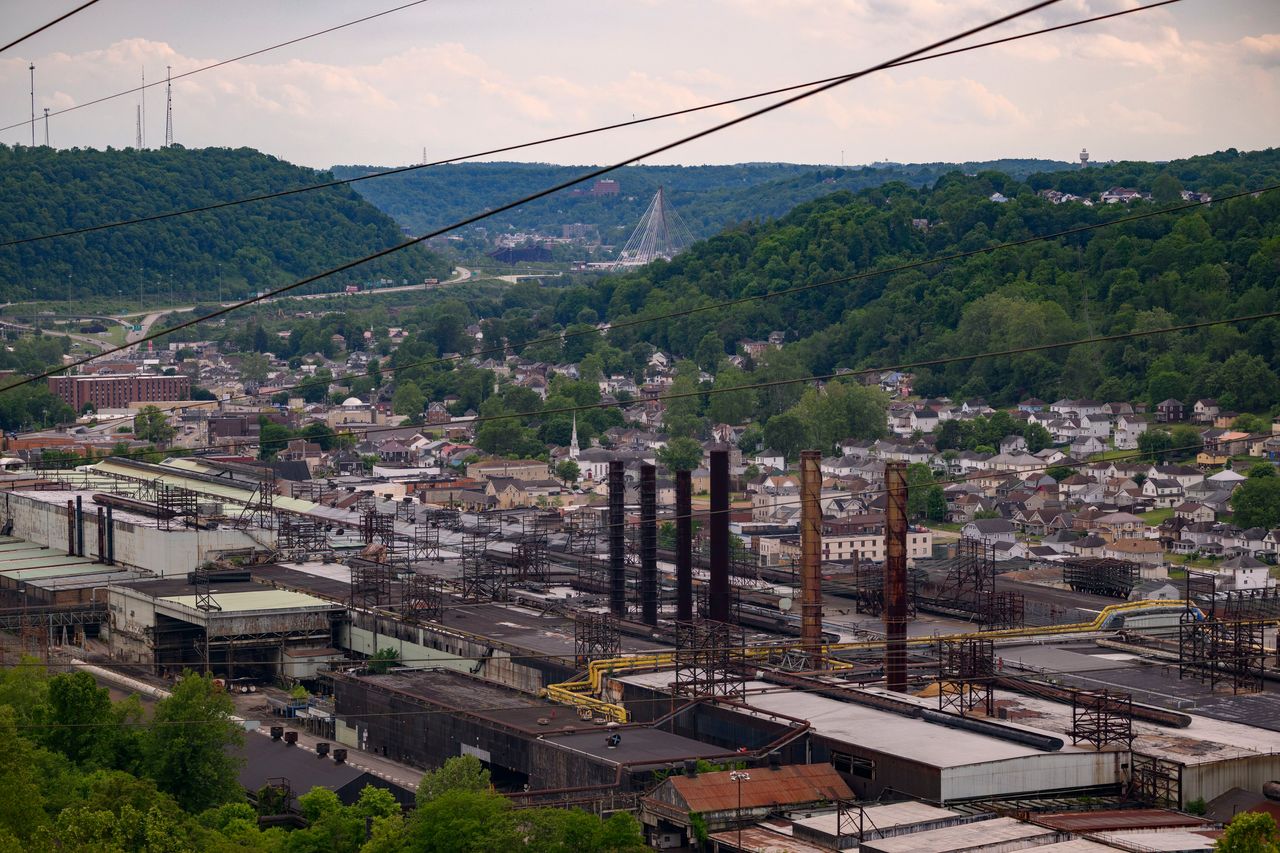
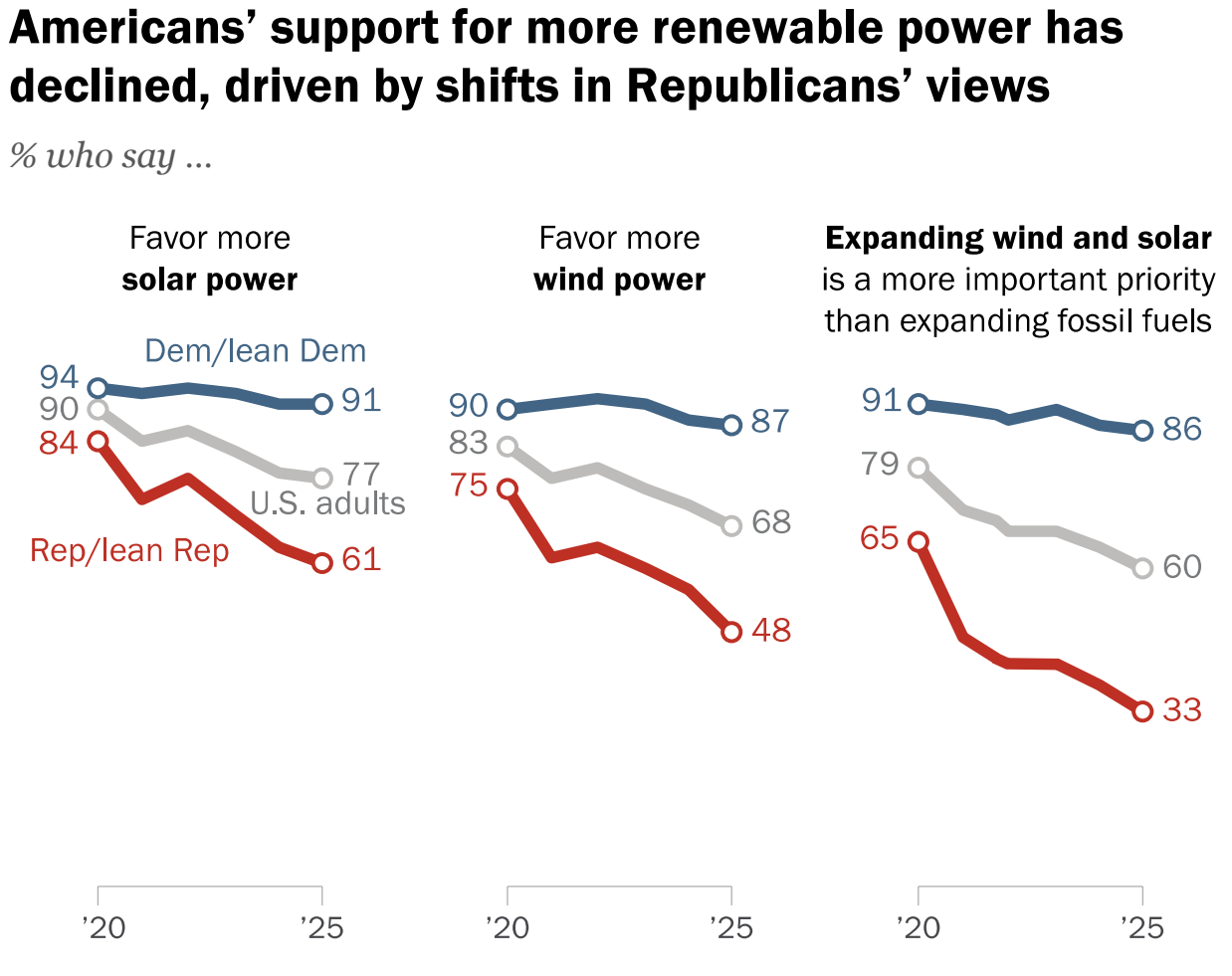
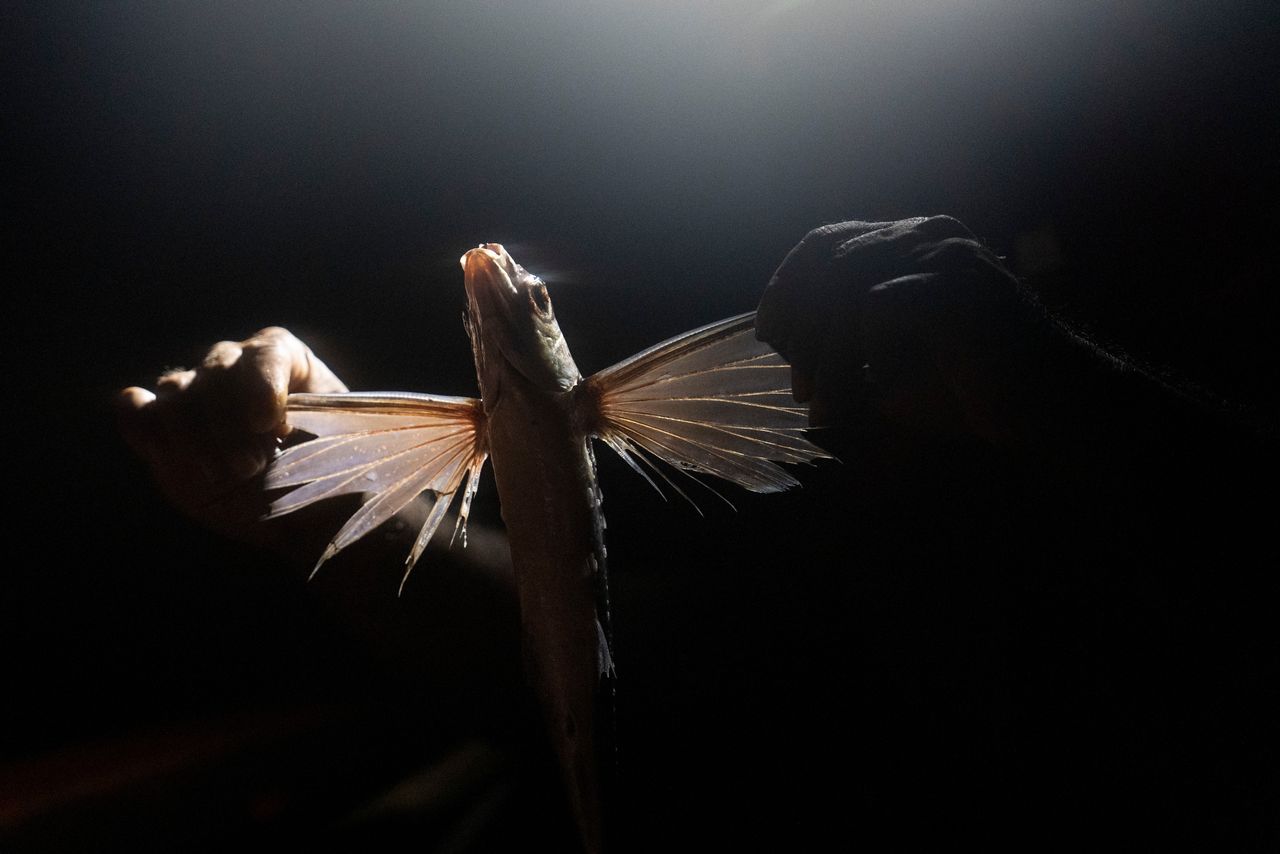
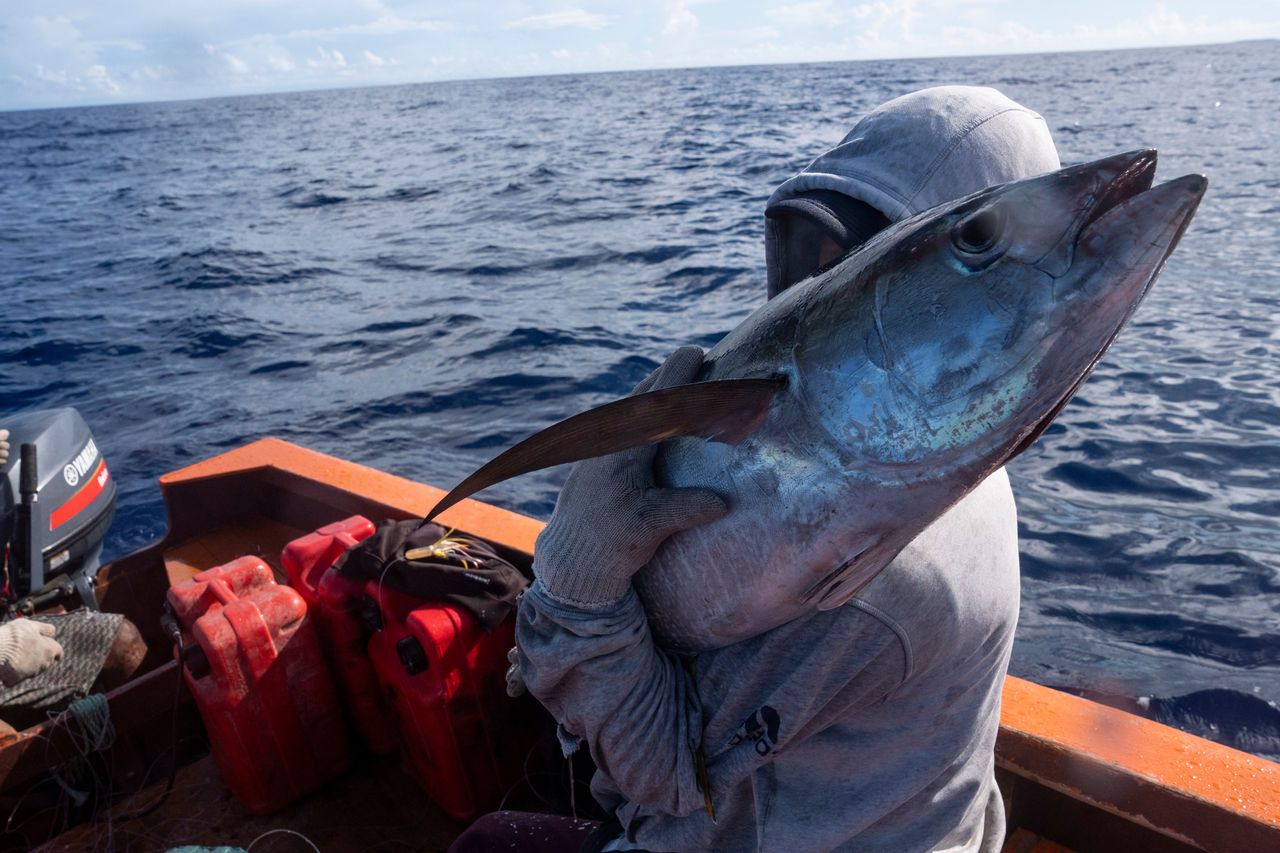
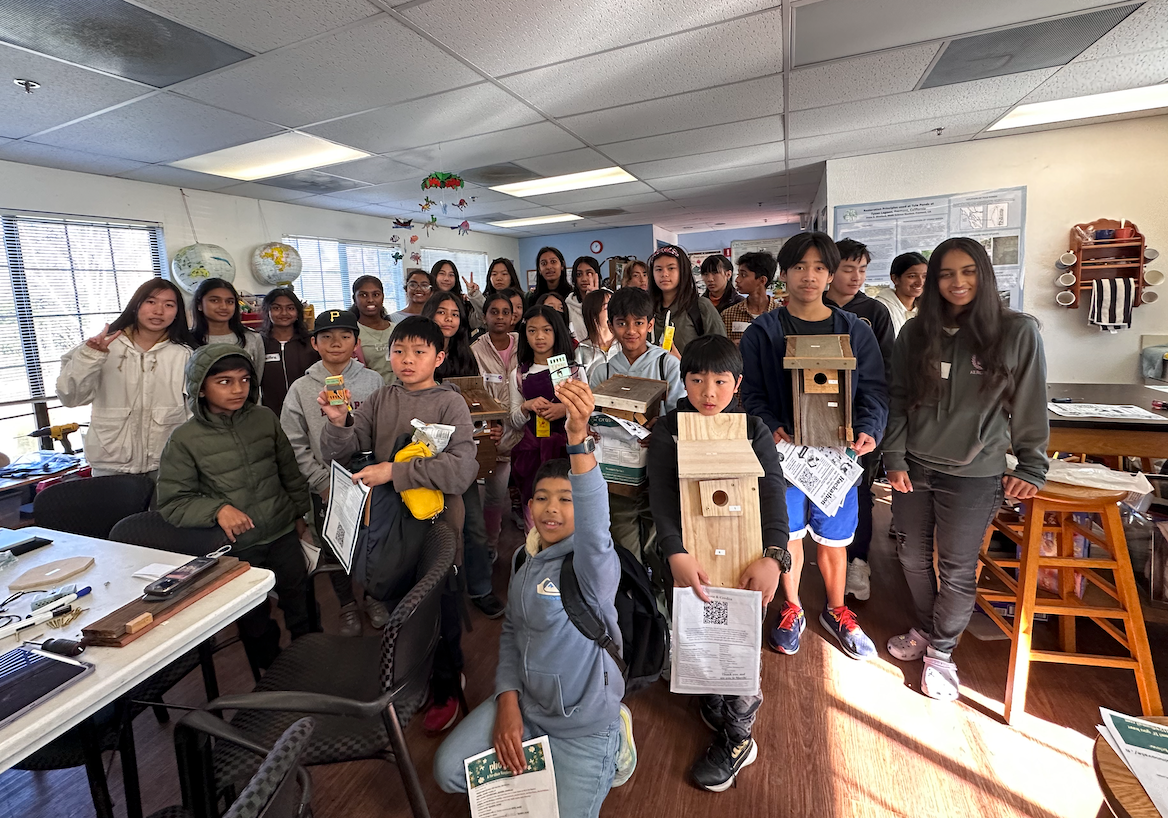
| | | | | | | Welcome. This week, a sun-dimming experiment and puppy-cheetah friendship. But first, what if we need a spiritual revolution, not technology, to address climate change? | | Joanna Macy teaches an Environmental Leadership Intensive at Naropa University. (Claudia Lopez/Courtesy of Naropa University) | | When I lived in Cambodia, I meditated at a pagoda every week. Sitting on a pillow, the numbness creeping up my legs, I tried to master control of my mind. I never succeeded. But I did discover a dawning awareness of it. Even when not sitting cross-legged in Phnom Penh, that has served me well. At times, I can deeply observe moments or myself, catching what I would have otherwise missed. In journalism, where observing is the job, it has helped me follow the questions wherever they lead, trusting the answer is not what I already (think I) know. For American scholar and activist Joanna Macy, who died at age 96 this month, early encounters with Buddhism changed not only the course of her career, but popular understanding of how we might solve the most urgent environmental issues of our time. Today, her ideas are everywhere: in the language of protesters, in discussions at scientific conferences, even at the Vatican, where Pope Francis wrote his unprecedented 2015 encyclical on the environment, "Laudato si." Macy applied Buddhist teachings to help people understand that they were not free-floating individuals, but integral to a much larger whole composed of every living being across time, a network as real as our veins and arteries. She encouraged people to acknowledge their feelings about the destruction of the natural world and turn their anxiety and despair into positive action. "The key is in not being afraid for the world's suffering," she told an interviewer. "Then nothing can stop you." It was a philosophy she came to call the "Work That Reconnects," a practice, and an organization, that thousands around the world have turned to when overwhelmed by seemingly insurmountable problems. Macy's blueprint for climate action holds that we will not be able to address climate change, and its intertwined problems, with technology and policy alone. We need spiritual renewal. Write me with your questions at climatecoach@washpost.com. I read all your emails. |  | Field Sample A battery company is hiring hundreds of workers after the steel mill shut down in Weirton, West Virginia. "It's like night and day," said Ray Larkey, a former steelworker who now clocks in at Form Energy. "We are growing this company, and as it grows, we grow." Just don't call it "green." | | A worker moves iron-air battery components at the Form Energy plant. (Jeff Swensen/For The Washington Post) | | Even as Form Energy helps revitalize Weirton, some in this conservative area of the country express skepticism about a company that, along with promoting an economy powered by clean energy, values "inclusion, diversity, empathy, and respect" and wants to "enable a good and just society," according to its website. "Form Energy, that is a joke and not the future," state Del. Pat McGeehan (R) said. "The facility will probably be vacant in two or three years." Read about Washington Post reporter Tim Craig's trip to Weirton. | | A view of Weirton, West Virginia, with the shuttered Weirton Steel Plant in the foreground. (Jeff Swensen/For The Washington Post) | Learning Curve While Americans still favor more wind and solar power, the popularity of renewable energy is declining, reports the Pew Research Center, which surveyed 5,085 U.S. adults this year. In 2020, these sources of renewable power enjoyed close to 90 percent support. A sharp decline among Republicans and Republican-leaning adults has eroded enthusiasm. | | While 6 in 10 Americans say the United States should still prioritize renewables like wind and solar over fossil fuels, that's down significantly from a high 0f 79 percent in the spring of 2020. Read Pew's survey results. | | A flying fish caught at night off the coast of Tuvalu (Carolyn Van Houten/The Washington Post) | | As the oceans warm, tuna are leaving the Pacific islands. Each year, Ranol Smoliner, 22, must go farther and longer to catch the tuna that sustain the people and the economy of Tuvalu and other Pacific islands. Tuvalu has sold foreign fishing licenses to help support its budget and its efforts to adapt to the rising seas of a warming world. But with the fish leaving its regulated waters, that source of income is declining. Roughly 80 percent of Tuvalu's population has applied for special visas to Australia to escape the ravages of climate change. Read more about the future of Tuvalu. | | Ranol Smoliner wrestles with a tuna near Funafuti, Tuvalu (Carolyn Van Houten/The Washington Post) | On the Climate Front From The Post: FEMA moved quickly to help Texas. A Maryland town is left on its own. Courts banned this herbicide twice. The EPA wants to bring it back. EPA eyes rescinding the finding that greenhouse gas pollution endangers public welfare. U.N. court rules countries have a duty to limit greenhouse gas emissions. From elsewhere: Politico says a test to dim sunlight was kept quiet to "avoid scaring" the public. A puppy is helping socialize a cheetah cub. NewScientist has the adorable footage. On the Texas prairie, a guerrilla campaign seeks to save wildlife from "silent extinction," reports Grist. The pace of new fast-charging infrastructure in the U.S. is accelerating, finds Electrek. |  | | A group of high-schoolers in the Bay Area created Birdbox Project: a system using Raspberry Pi, infrared imaging and handmade bird boxes to monitor local birds, specifically the alarming decline of tree swallows and other cavity-nesting species. Jingqi Sun of Eco Innovate, a student-led nonprofit in the Bay Area, says they've collected more than 40,000 data points for the California Bluebird Recovery Program to study trends of cavity nesters. What's hatching in your community? Send me your photos and stories at climatecoach@washpost.com | | Was this email forwarded to you? Sign up here to get The Climate Coach in your inbox every Tuesday. See you next Tuesday, Michael Coren, Climate Coach | | | |








No comments:
Post a Comment