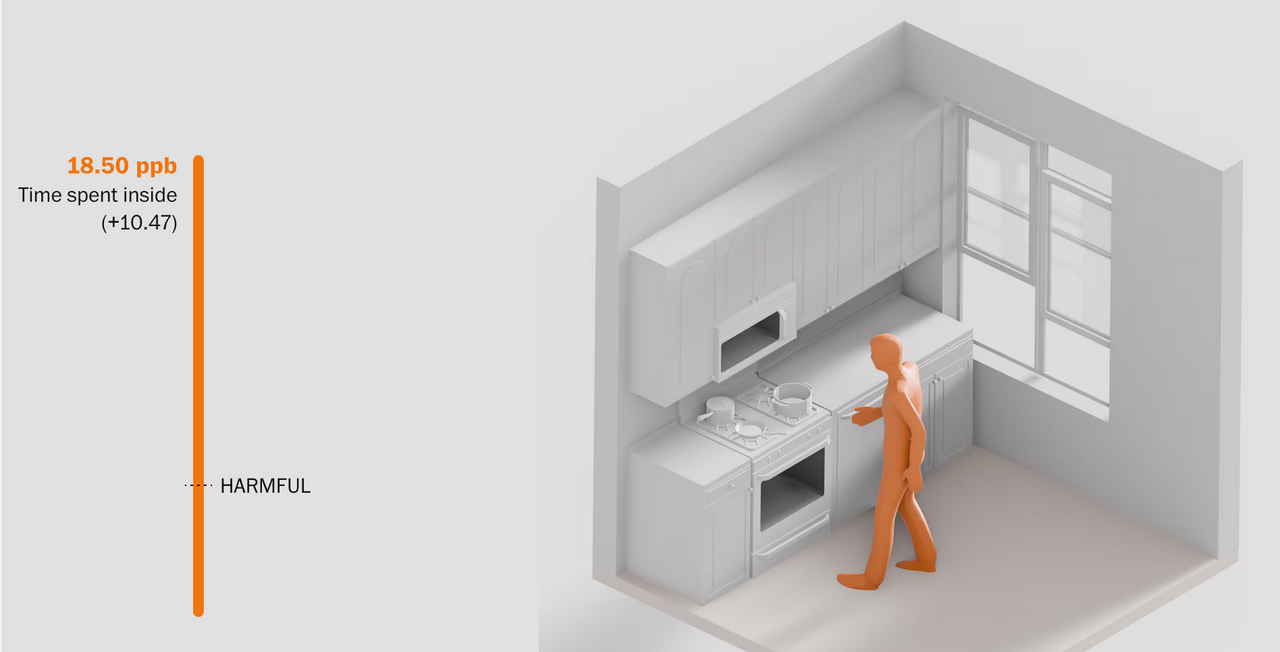
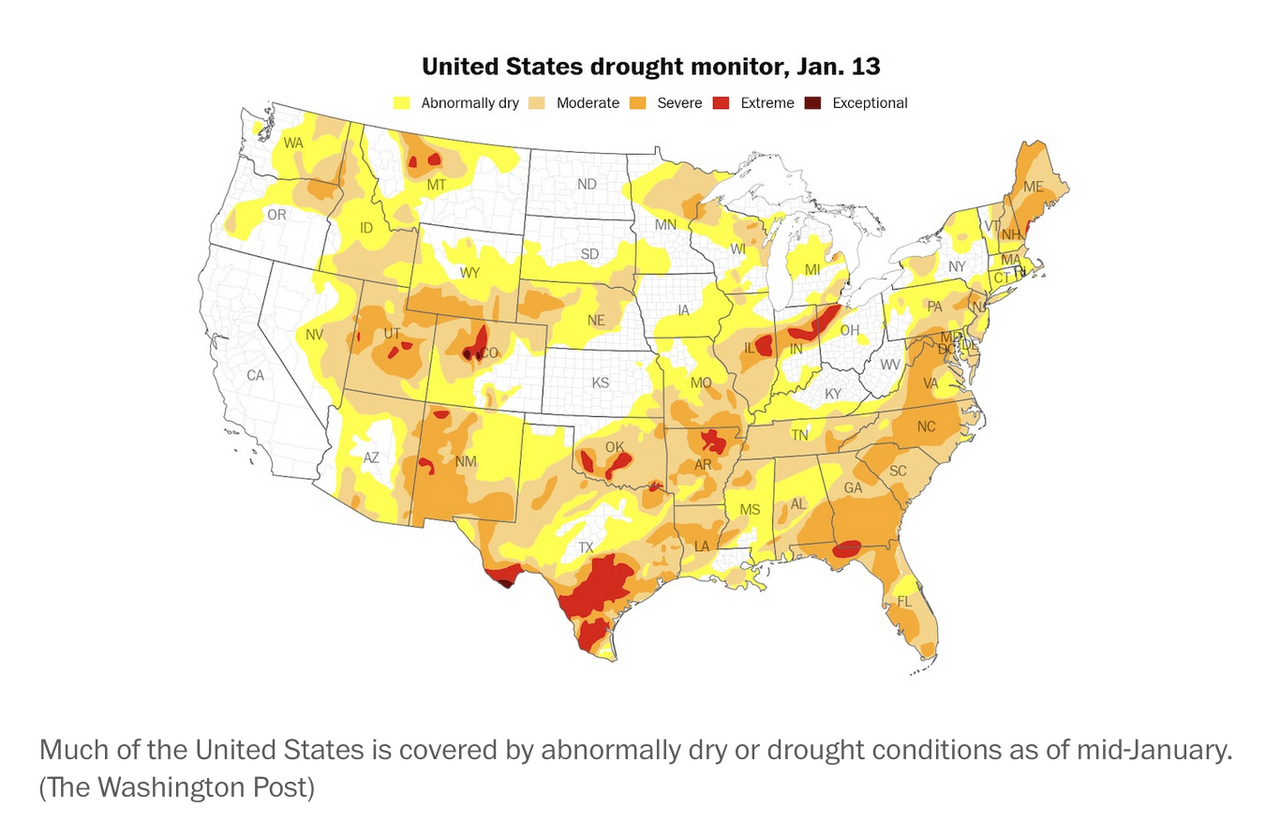
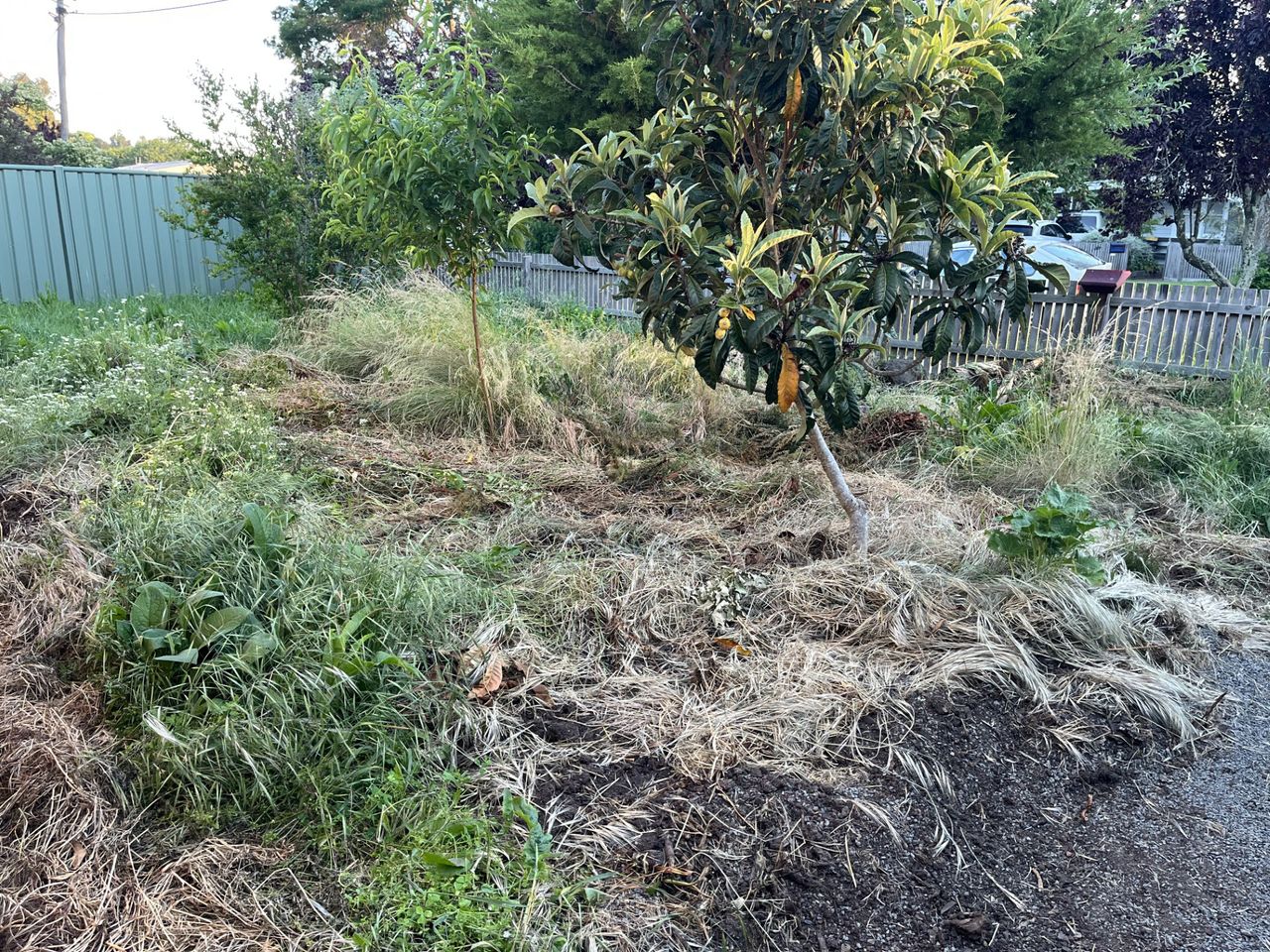
| | | |  |  | | We held out for three and a half years. But disaster loomed: a long-distance trip with dozens of hours in cramped vehicles and no way out. So we went hunting for guidance on the least harmful (for him), least guilt-inducing (for us) way to entertain him with a tablet. That's when we realized: Like many first-time parents, we had fallen into the all-or-nothing trap around screen time: It was either a necessary babysitter or something to be avoided at all costs. The child development researchers I spoke to about it? Practically blasé. They saw screens as a valuable tool — overused but useful — that can help families when handled well. What I didn't hear: bans, panic or moral judgments. It was framed as a choice — one you can make better or worse. Researchers expressed a lot of compassion for parents squaring off against massive technology companies whose profit models aren't always aligned with what's best for children's health. The risks are real — from language delay in young children to screen addiction in older kids. But "good" screen time is now a small but strategic part of our family life. The emerging science on screens suggests that how young children use them matters far more than the number of hours they're on them. Read this week's column for how I cracked the code on my toddler's screen time. What's your screen time routine? Write me with your questions at climatecoach@washpost.com. I read all your emails. |  | Field Sample Cooking three meals a day for his family makes the air inside the home of Washington Post reporter Daniel Wolfe harmful to his health. Gas stoves emit nitrogen dioxide (NO2), a toxic by-product of burning natural gas. A new model built by Stanford University researchers lets you estimate indoor air pollution attributable to gas stoves in your home. Daniel developed a tool that enables you to calculate your own exposure. | Learning Curve A winter drought is gripping the United States. Most of the country faces unusual dryness or drought, including the East and South. That threatens to close ski resorts and ignite fires later in the season. "I've never seen anything like it," said Jon Meyer, assistant state climatologist based at the climate center in Logan, Utah. Here is where maps show it's worst. | Snapshot A massive winter storm rampaged across the South and East Coast this past weekend. The dangerous cold could last for days longer, deepening the misery for those without power. | | Emilia O'Brien, of Michigan, sleds outside the U.S. Capitol on Sunday. (Julia Demaree Nikhinson/AP) | | But at least a few people managed to have fun amid the snow and ice. Here are photos and videos of life after the recent storm. | The Second Degree Last week, I wrote about how I found the most complete protein. Most of the benefits people expect from protein are actually from working out and eating well — not more amino acids, since the vast majority of Americans already get enough protein in their diet. Not everyone agreed. Some desired more protein in their diet (it's true that athletes, seniors vulnerable to muscle loss and patients recovering from surgery probably need more). Some objected to protein powder or plant-based sources. But the most "complete" protein is whatever fits into a healthy diet. No supplements needed. Pamela MacDonald, a registered dietitian, agreed. "Because commercial interests want us to overthink, and overbuy, protein sources, whether for bodybuilding, vegetarianism, or to appear trendy," she wrote, "many people do just that." |  | On the Climate Front From The Post: House votes to repeal ban on mining near Boundary Waters wilderness in Minnesota. Noticing nature can make you more hopeful in 14 days. Veronika the cow scratches herself with a broom — proving tool use by yet another species. The world has entered a new era of "water bankruptcy," U.N. report says. From elsewhere: As warming ski slopes in Europe are abandoned, will nature reclaim the Alps? (The Guardian) Climate change may be weakening the polar vortex (New York Times) Is Trump's assault on climate action permanent? (Grist) Zillow deleted climate risk scores. This expert is trying to restore them. (Inside Climate News) |  | | The World's Ugliest Lawn has a new winner: Jarno Coone's unkempt yard in Victoria, Australia, was compared by judges to "kids' hair after a lice treatment gone horribly wrong." "I leave it to nature," said Coone, a professional groundskeeper by day. "I've never watered it." But the plot of native grasses, weeds and small trees was beautiful to jurors of the World's Ugliest Lawn competition, which promotes water conservation. The deadline for 2026 is in December. Send me your photos and stories at climatecoach@washpost.com | | Was this email forwarded to you? Sign up here to get The Climate Coach in your inbox every Tuesday. See you next Tuesday, Michael Coren, Climate Coach | | |











No comments:
Post a Comment