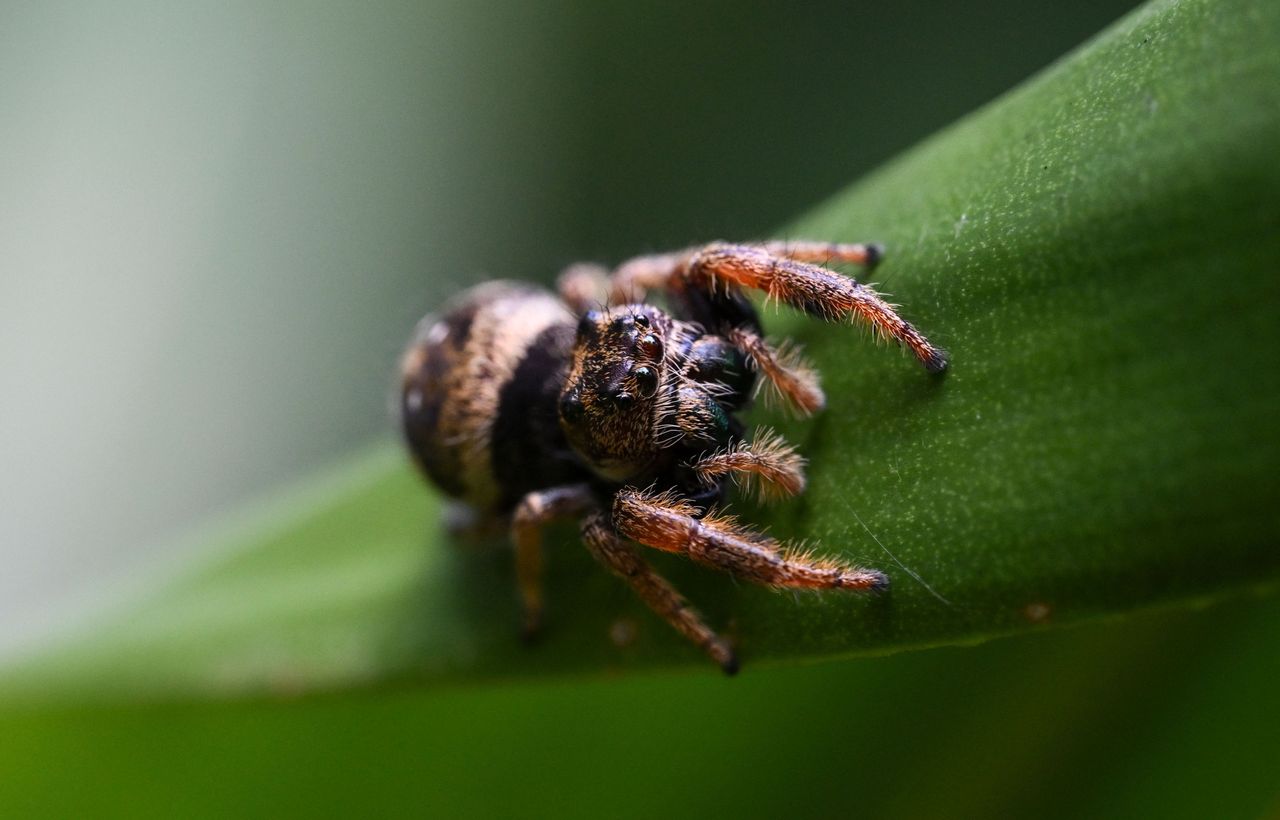
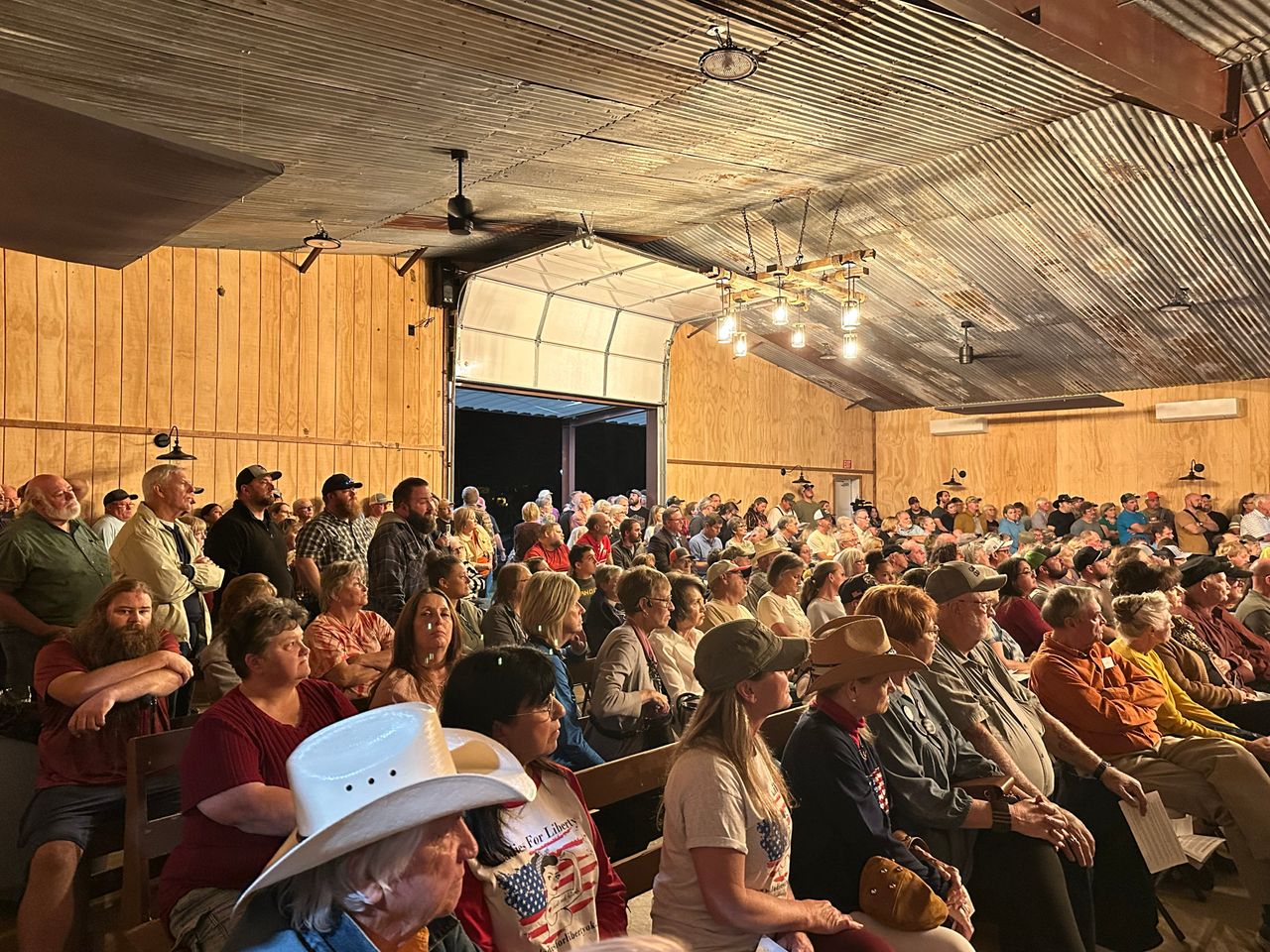
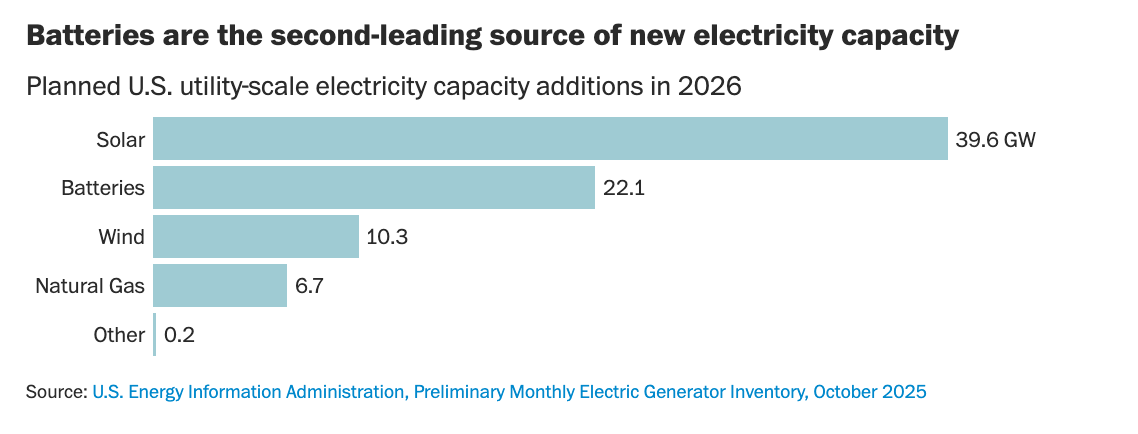
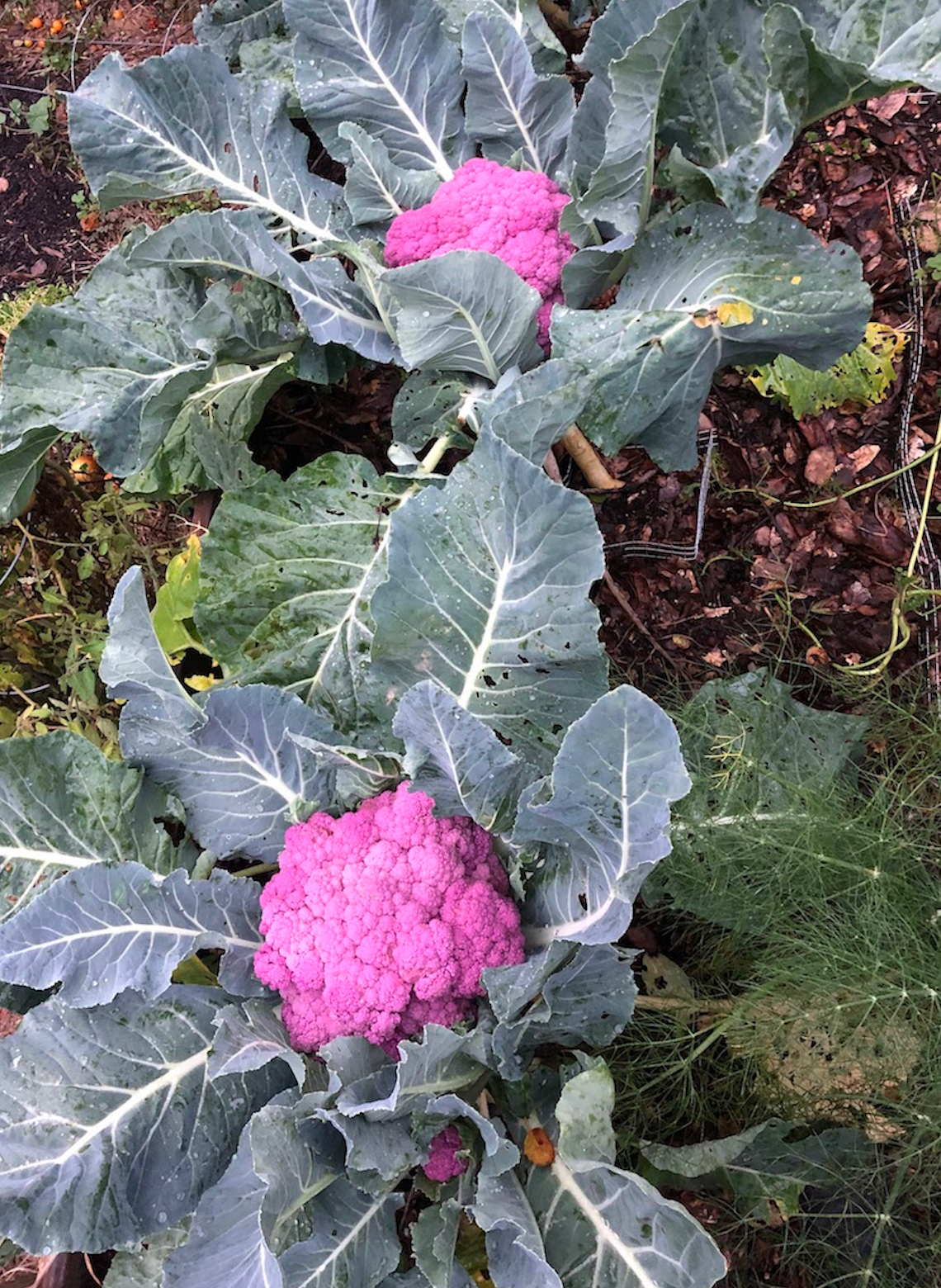
| | | | | Welcome. This week, President Donald Trump's face on national parks passes and more thoughts on McMansions. But first, why you should consider a jumping spider as your next pet. | | A jumping spider. (Yuri Cortez/AFP/Getty Images) | | Jessiah Hahs Brinkley's fear of spiders turned into fascination, and then infatuation. As a child, he had nightmares after smashing black widows with his grandfather in the eaves and crannies of his house in California's Mojave Desert. "I was a full-blown arachnophobe," he said. One day, his grandfather offered him a rose-haired tarantula as a pet. Today, Hahs Brinkley, 22, is president of the Invertebrate Club of Southern California. "I want to protect these things that nobody else seems interested in," he said. "Not a whole lot of people want to conserve, more people want to smash." Humans — as we destroy habitats, spray pesticides, light up the night and overheat the planet — are accelerating what some scientists call the insect apocalypse. Populations have seen steep declines almost everywhere that they're studied, declining by 1 to 2 percent a year. In some places, they're collapsing. So I decided to find out what I've been missing. Last month, my family became the proud bug parents of eight painted lady caterpillars (soon to be butterflies if we don't mess it up). A jumping spider may also be in the cards. Read my column this week about how we might all learn to love insects. Write me with your questions at climatecoach@washpost.com. I read all your emails. |  | | The residents who attended a community meeting held near the land Sand Springs annexed were overwhelmingly against the proposed data center project. (Kyle Schmidt) | | The grassroots blowback has been swift. Trump supporters from deep red states and left-wing groups such as the Democratic Socialists of America are helping to draw hundreds of residents to hearings on planned data centers. Read how the data center rebellion is reshaping the political landscape. | Learning Curve The American battery boom is on shaky ground, even after installations broke records in 2025, and after a five-year run that saw the industry grew more than 20-fold, exceeding even optimistic projections. Read more about why tariffs and political turmoil may stall the growth of battery installations. | Snapshot Visitors to national parks who cover up President Donald Trump's face on the 2026 entrance passes may face additional fees, according to a policy document distributed to staff in late December and a parks employee who spoke on the condition of anonymity because they were not authorized to speak with the media. Read more about the new policies and why advocacy groups are filing suit over the imagery. | | (Interior Department/Reuters) |  | The Second Degree Last week, I wrote about why your McMansion is making you miserable. You had thoughts! Some of you said you loved every square inch of your big house. "I downsized from a 107-year-old Victorian up north to a three-bedroom condo in Florida," wrote Cat. "It is plenty of room if one can purge, purge, purge. But I found I was constantly regretting not having a garage or attic or any extra storage." Others described how wonderful it was to find smaller digs in places you loved. Elizabeth Sparks-Holmes grew up in a huge mansion. "I saw the stress it caused my parents trying to maintain such a large structure," she wrote. "We decided bigger is not always better!" She and her family moved into a St. Louis apartment next to a lovely pond. "My son is now 23 and he says he never feels like he 'missed out' on anything by not living in a house," she wrote. "He even learned to play electric guitar in our apartment and is now a musician in Nashville." Barry Crist and his wife, Maureen, downsized from a big home in Seattle to a fixer-upper cabin on Lopez Island in Washington state. "Most of the contractors we spoke with wanted us to tear down and build something big 'to fully realize our property investment return.'…But we've never been happier," he wrote. "Once you wake up to it, the reality is more happiness, more time, and much less environmental impact." |  | On the Climate Front From The Post: U.S. vows to control Venezuela oil sales "indefinitely." "Whata Bod": An AI-generated NWS map invented fake towns in Idaho. The EPA's shock-and-awe deregulatory push learns from past mistakes. How a cockatiel named Koco inspired a conservation movement. From elsewhere: The scrappy attempt to save U.S. climate data (Politico) Why forcing people to go green can backfire (Grist) Flying foxes die by the thousands in Australia's blistering heat wave (The Guardian) Hundreds of native species are flowering in January in Britain (Euronews) | | Violet queen cauliflowers are the cruciferous champs of the Langs' winter garden in Forest Knolls, California. "This is exactly the way they grow," wrote Richard and Judith Selby Lang. "Abundant, beautiful, and delicious."
What in your garden grows? Send photos and stories to climatecoach@washpost.com | | Sign up here to get The Climate Coach in your inbox every Tuesday. See you next Tuesday, Michael Coren, Climate Coach | | |











No comments:
Post a Comment