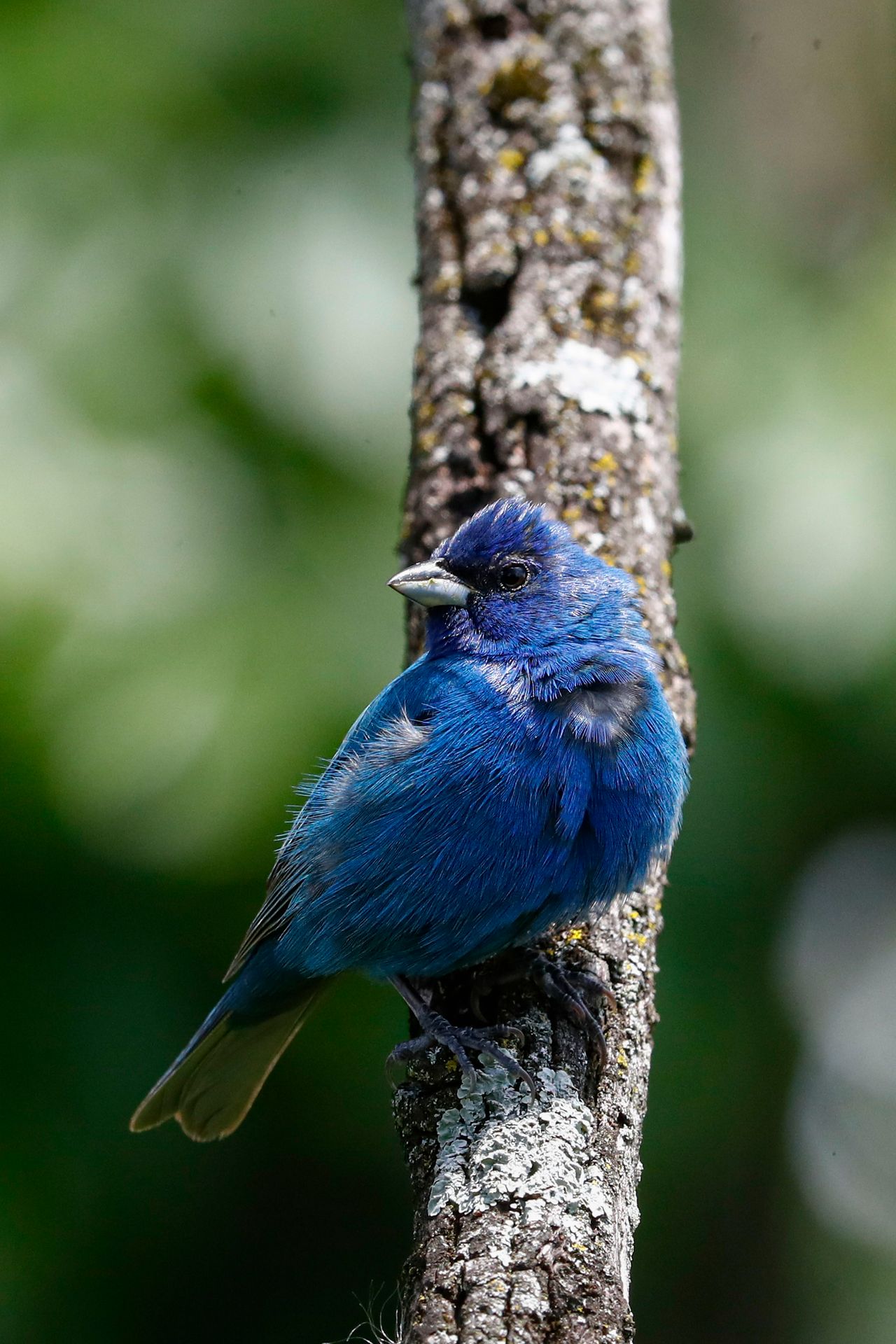
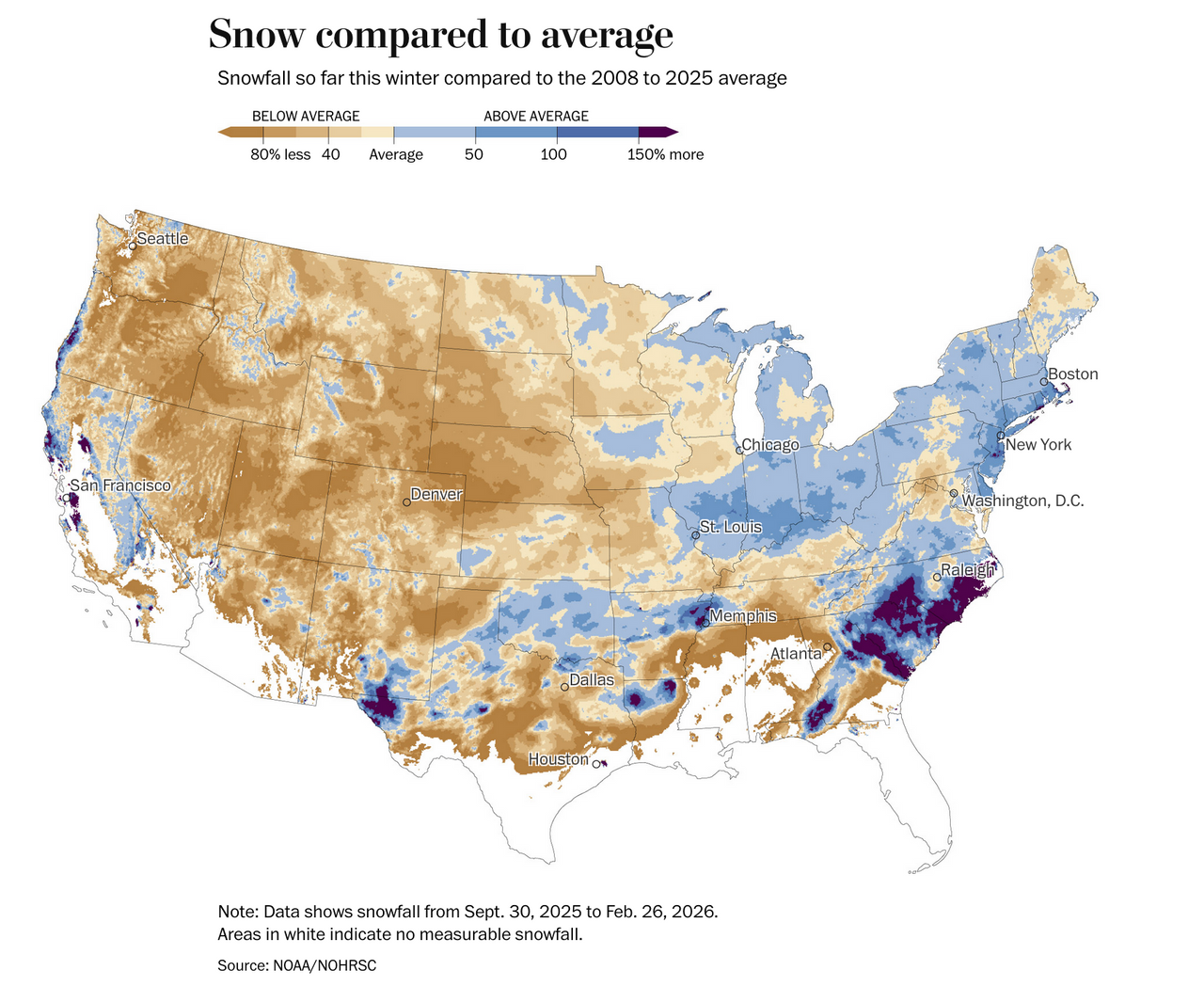
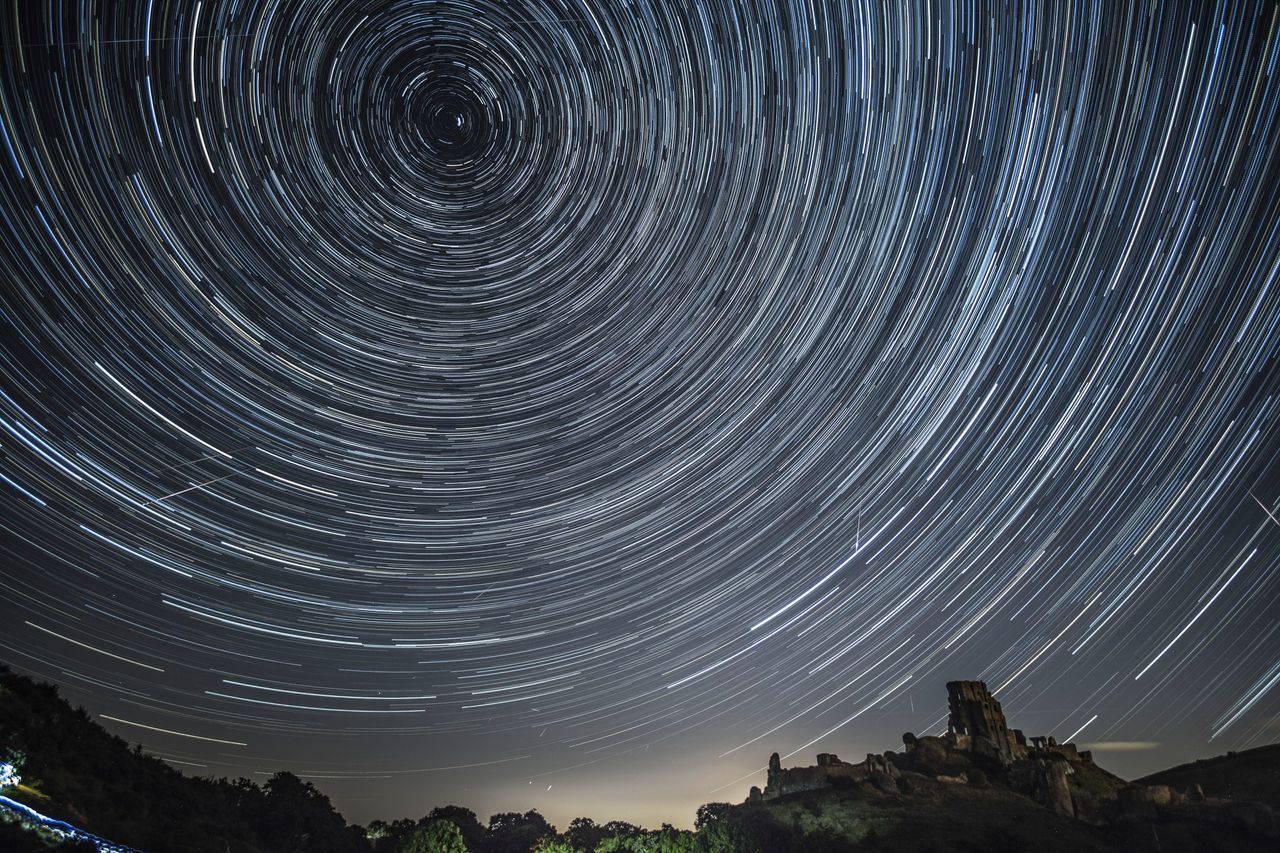
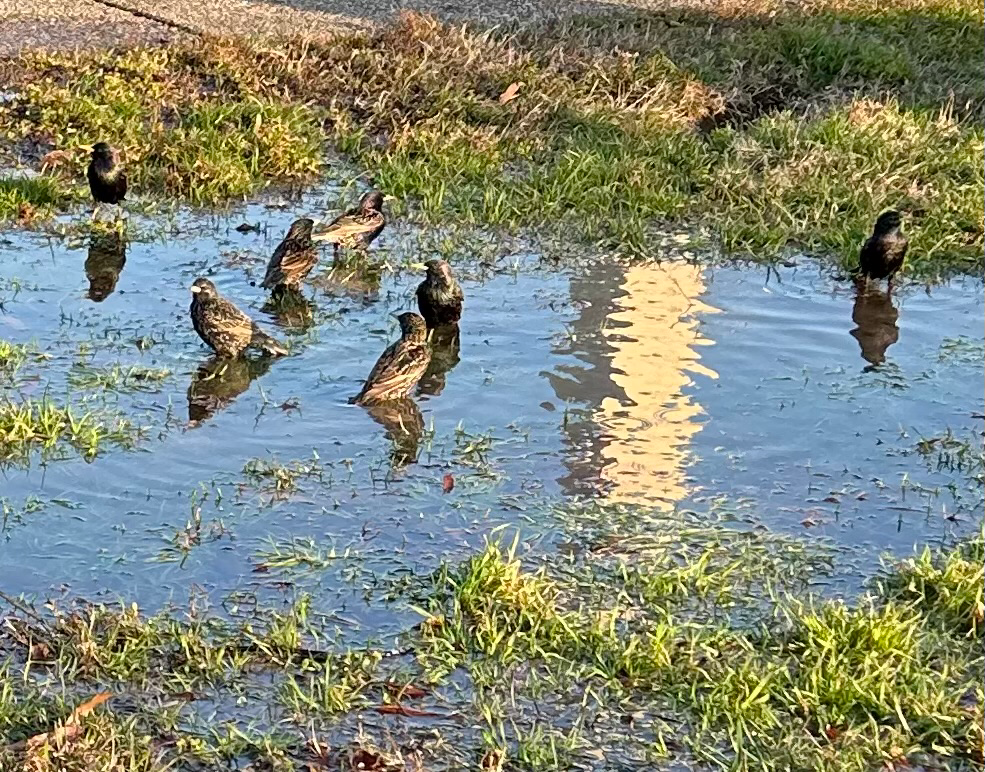
| | | There's a cheaper way to add nutrients found in so-called superfoods to your diet. (iStock) |  | | In 1995, blueberries were merely a fruit. But after executives at the Wild Blueberry Association of North America received a government study ranking the berry near the top of a new federal index measuring "antioxidant capacity," a potential weapon against cancer and heart disease, a superfood was born. The industry association soon launched a marketing campaign promoting the fruit in Japan, boosting exports of the "superfruit" tenfold within five years. As the health halo floated back across the Pacific, Americans began snapping up the berries at premium prices. Superfoods are now everywhere. One 2023 study categorized more than 136 examples: quinoa from the Andes, teff from Ethiopia, chia seeds from Central America and more familiar foods from spinach to salmon. The name commands a premium. Turmeric, a bright yellow spice that costs pennies per serving in South Asian dishes, sells for more than $100 per bottle in supplements. Although $190 billion is spent annually on superfoods that promise to make us healthier, the word has no legal or scientific definition. "Superfood is strictly a marketing term," said Marion Nestle, a nutrition expert and emerita professor at NYU. "It has no nutritional meaning. All fruits and vegetables have vitamins, minerals, phytochemicals and fiber with health benefits of one kind or another. That makes every one of them a superfood." The most important thing you can do for your health and wallet is to stop buying geography, and rediscover the everyday secret superfoods found in any grocery store. Write me with your questions at climatecoach@washpost.com. I read all your emails. |  | Field Sample Bird populations in North America are falling, and the losses are accelerating. A new study in the journal Science reveals that the hardest-hit species are often everyday animals such as American blackbirds and robins. "It's bad enough if you're seeing population sizes decreasing," said co-author Marta Jarzyna, an ecologist at Ohio State University. "But it's even worse when that loss is stronger with each year, because eventually you will get to the point of no population left." | | A male indigo bunting in Nashville. (Wade Payne/AP) | | One culprit stood out: Areas with cropland and heavy use of pesticides and fertilizer were most likely to see steep declines. "The stronger the agricultural intensity, the stronger the acceleration of the decline," said study author François Leroy. Read more about how the biodiversity crisis also threatens humans. | Learning Curve What a winter. The deepest winter cold in decades has swept across the Northeast and Mid-Atlantic, while the Intermountain West is enduring record-shattering snow drought and exceedingly warm conditions. This interactive lets you see what places got the most (and least) snow this winter. | Snapshot We're turning night into day. The Federal Communications Commission, the agency that regulates satellites, appears to have fast-tracked approval of two proposals that could transform the night sky. One would permit satellites to reflect sunlight back at Earth, potentially bathing solar plants or even entire cities in light at night. The second would greenlight Elon Musk's plan to place as many as 1 million data centers into orbit. The cost to the night sky, astronomy, biodiversity and human health may be high, writes columnist Dana Milbank. | | Satellites, planes and comets transit across the night sky under stars that appear to rotate above Corfe Castle, in southern England, in a 2016 composite image. (Dan Kitwood/Getty Images) |  | The Second Degree Last week, I wrote about building accessory dwelling units (ADUs) in your backyard. The idea inspired fans and foes. Many of you shared stories about how it kept families together. "My single son has an apartment in my house," one reader wrote. "Without his assistance I would be in a nursing home. Without my assistance he would not be able to enjoy many of the social activities that he loves." Another reader built a 700-square-foot unit for his dad with handicap access and a private entrance for about $165,000: "It was well worth the money. He is now 94, still very independent and we still have dinner together every night. … This has been a win-win for both of us." But others thought the parking, noise, congestion, cost and potential annoyances to neighbors were a problem. Although multiunit "granny towers" in places like San Diego have been controversial, these problems appear to be rare. A reader in Arizona said ADUs there were just part of city life: "In Tucson, every other house seems to have a 'casita,' and they don't cause any of the problems people are worried about," the reader wrote. "They are just ordinary people trying to find cheaper alternatives to renting or buying a three or four-bedroom home. … What is the alternative? Massive sprawl, long commutes, rising housing costs." |  | | Cindy Buhl snapped this photo one February when a cab paused at a stop light at 17th & Constitution NW. | | "I looked out the window to find a birdbath with the Washington Monument reflected in the puddle," she wrote. "It made me smile and feel more buoyant myself when I witnessed the scene." Send me your photos and stories at climatecoach@washpost.com Was this email forwarded to you? Sign up here to get The Climate Coach in your inbox every Tuesday. See you next Tuesday, Michael Coren, Climate Coach | | |












No comments:
Post a Comment