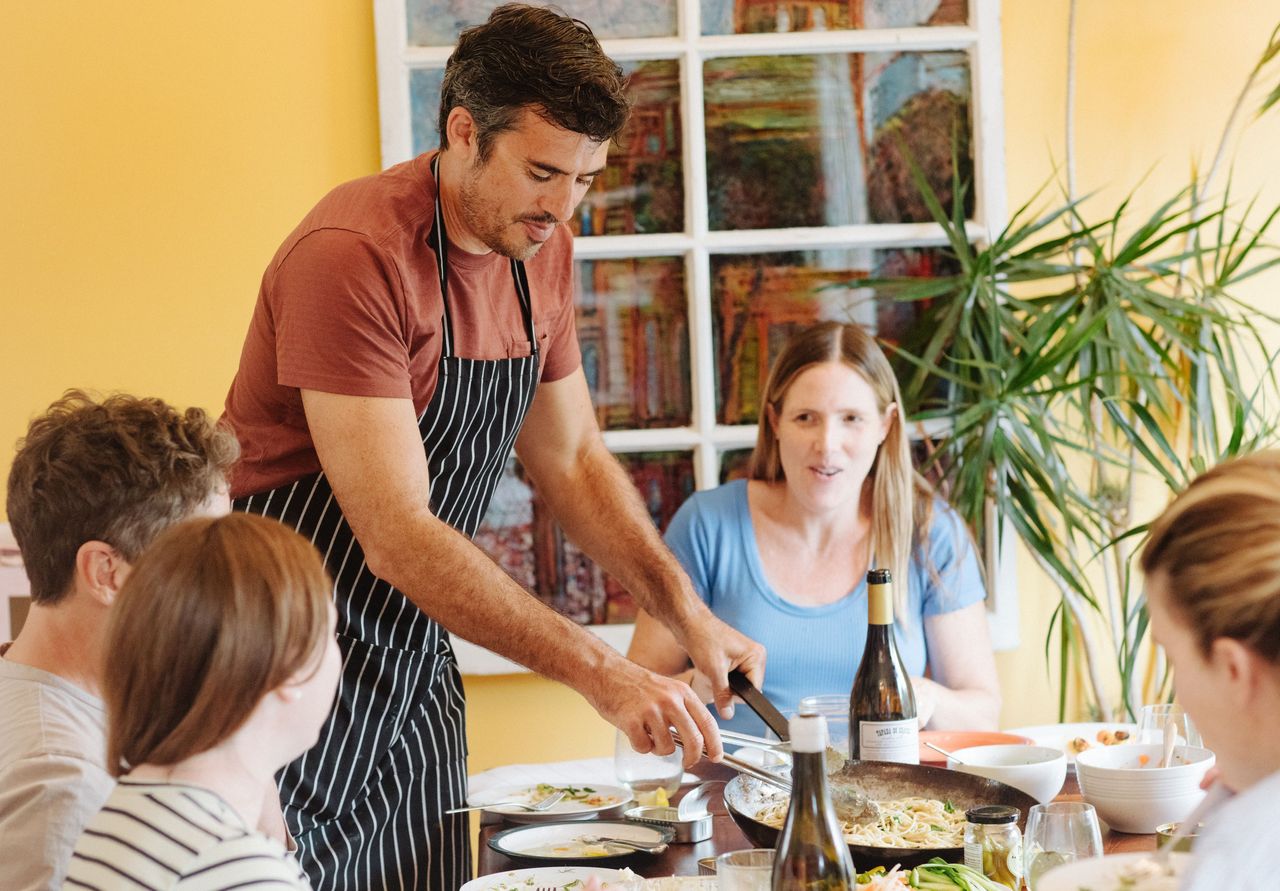
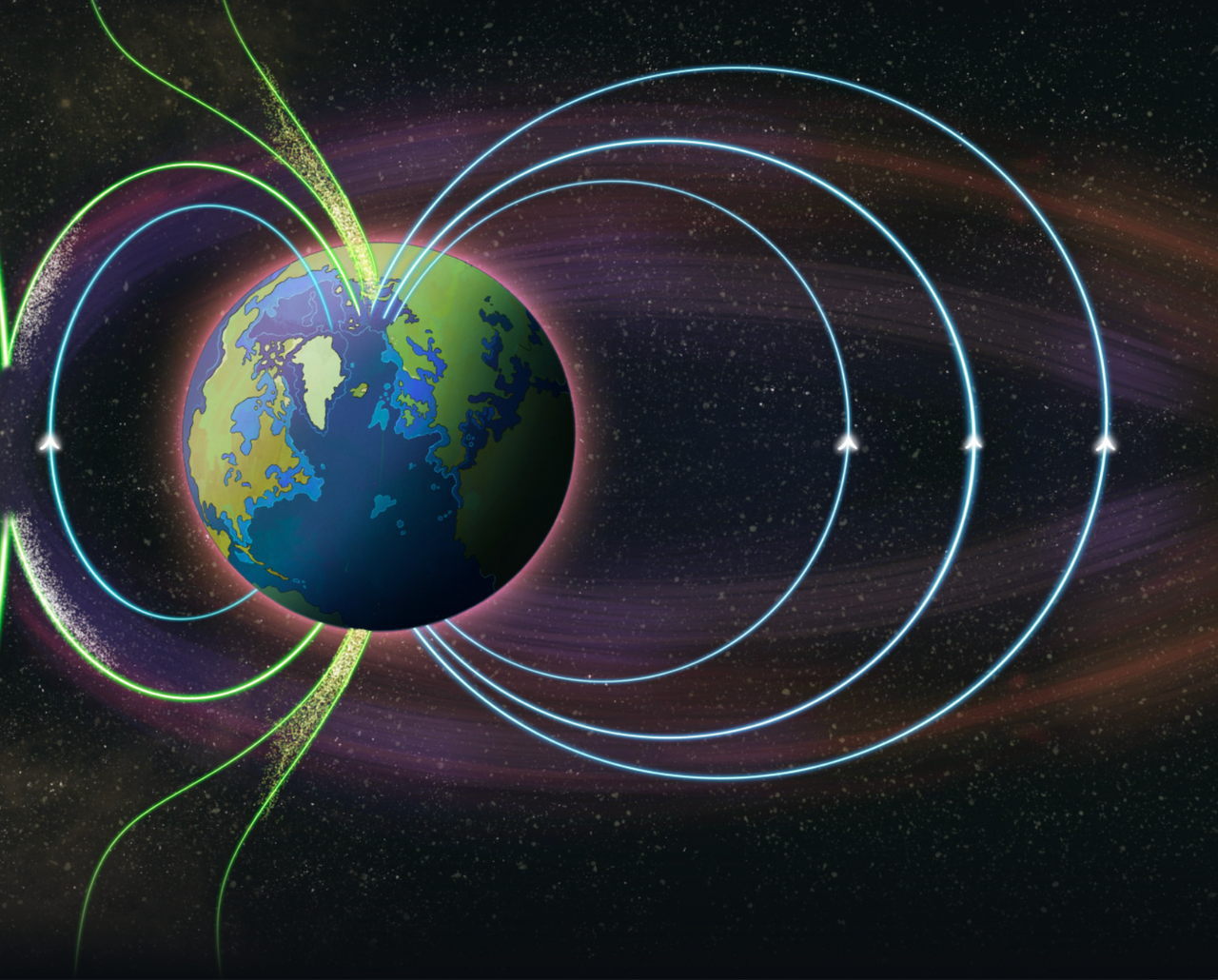
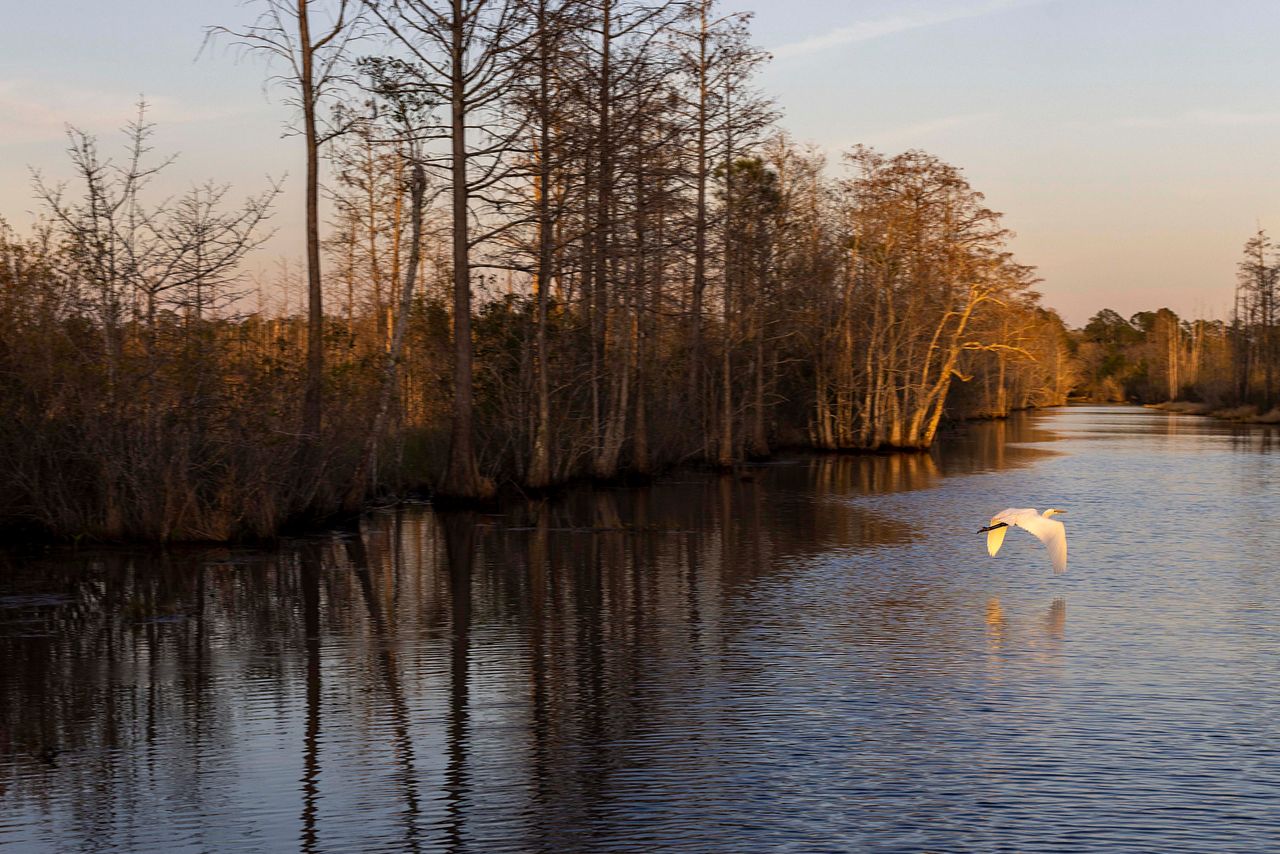
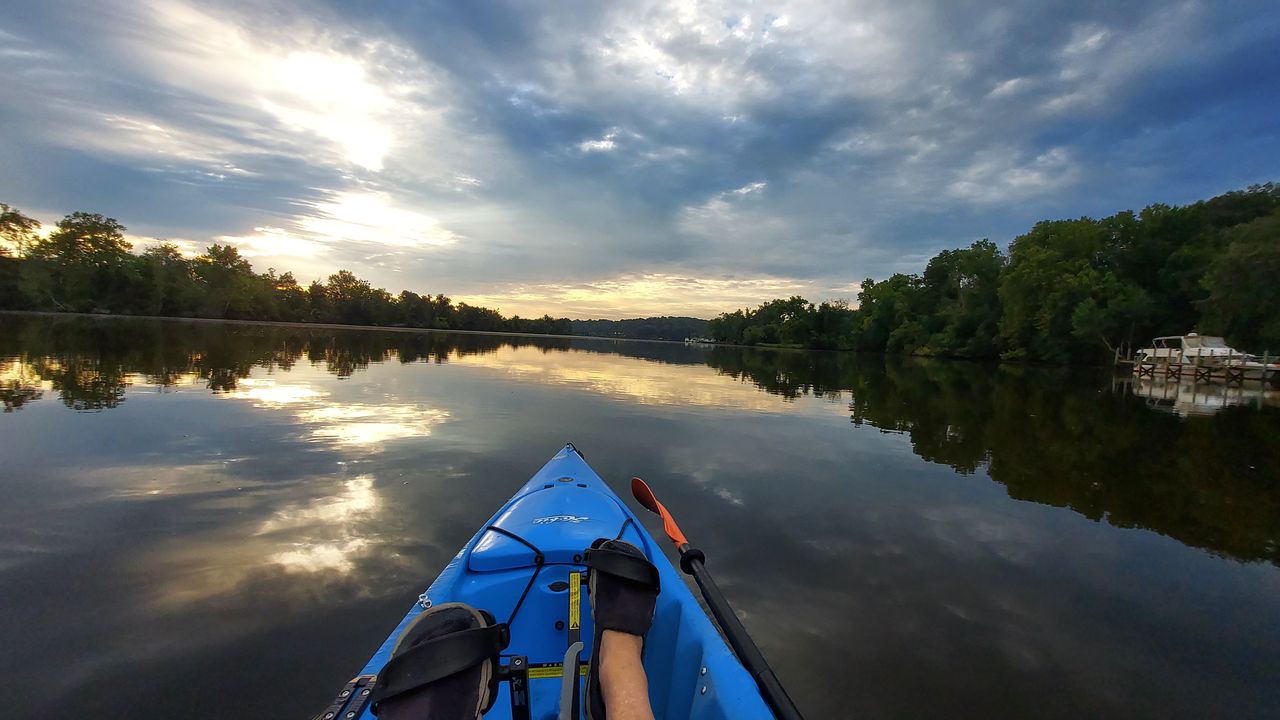
| | | Welcome. This week, the smell of the outdoors, and 'climate superfund' laws go to court. But first, how I got hooked on tinned fish. | | Climate advice columnist Michael J. Coren hosts a tinned fish party at his home in San Francisco. (Adewale Agboola/For The Washington Post) | | Big fish, as any fisherman can attest, get the attention. But little fish deserve the love. Ask an ecologist (or connoisseur), and they'll tell you that sardines, herring, anchovies and their pelagic brethren are the heroes and delicacies of the ocean. Not that I don't appreciate a silky slice of nigiri or hefty tuna sub. My childhood memories of albacore on a slab of crusty Italian bread (with a cream soda, please) remain the best. But I eventually concluded the collateral damage was too high. Rendering these fish — predators equivalent to wolves or tigers on land — into a can of commodity protein didn't sit well with me. So it's been good to see that small fish, long celebrated in Europe, are finally having a moment in the United States, with chefs elevating them from their traditional tins into haute cuisine. These small, nutrient-packed species serve as the foundation of the ocean's food web and school by the billions in roiling balls near the sea's surface. When we catch them responsibly, and eat them directly, it's far better for ecosystems — and us. But could I become a tinned fish convert and get other skeptics to bite? I decided to throw a potluck tinned fish party with friends to find out. Our menu included pan-fried sardines with a peppery cilantro sauce and vanilla butter specked with anchovies on toast (stay with me, it works). | 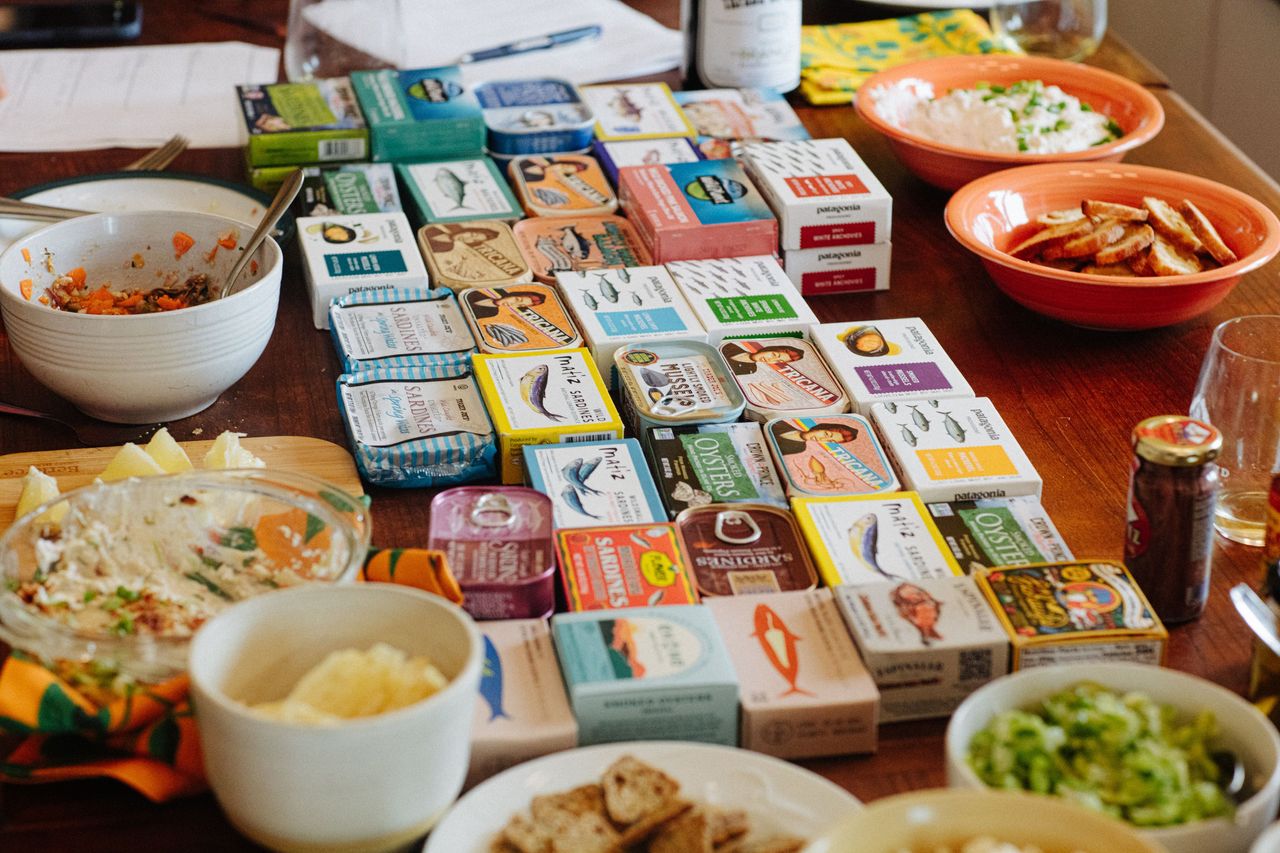 | | (Adewale Agboola/For The Washington Post) | | By the end, our taste buds had circumnavigated the globe, docking in ports sweet and salty and provinces in between. Most of us agreed there was little the little fish couldn't do. So if you're not into tinned fish yet, it's time to give them a try. You may get hooked, too. What's your experience with tinned fish? Write me at climatecoach@washpost.com. I read all your emails. | Field Sample What does the outside really smell like? Sure, local smells such as trees and flowers vary from place to place. But it turns out there is a universal "smell of the outside," experts say, no matter where you are. This bouquet of molecules is a combination of things. Two of the most prominent are atmospheric compounds ozone and geosmin. | | If you've ever thrilled at the smell of rain (also known as petrichor), geosmin is the reason. Bree Elliott, co-founder of Fantôme, a perfume house that specializes in atmospheric scents, says humans can smell this better than sharks can smell blood. To know more about how we can pick out the smell of the outdoors from at least 1 trillion detectable odors, read here. | Learning Curve Scientists have deciphered the physics of the northern (and southern) lights. These celestial glows, most visible closer to the poles, are thanks to solar particles racing at 1 million mph — the solar wind — and crashing into our planet's magnetic field. | | When the elements line up just right, brilliant auroras form as these magnetic field lines vibrate in the geomagnetic storm, like plucking a string on a guitar. Electrons crashing into atoms in our atmosphere transfer energy and generate light shows: Oxygen atoms shine red and green, while nitrogen atoms emit pink or purple hues. To find out more, read here. | Snapshot North America's bird species are in trouble. A recent study found that 75 percent of bird species have declined, even in strongholds. Scientists analyzed populations of 495 bird species between 2007 and 2021 using an online database called eBird containing more than 100 million bird sightings by professional ornithologists and amateur birders. Population declines were steepest, they found, in places where birds were most abundant. The study builds on 2019 research suggesting North America had lost more than 3 billion birds between 1970 and 2017. | | A great egret glides over water in February at the Okefenokee National Wildlife Refuge in Folkston, Georgia. (Alyssa Pointer/For The Washington Post) | | "There is no one single reason for this new silent spring," writes The Washington Post's Dino Grandoni, noting that habitat loss, pesticides, rising temperatures and construction in sensitive habitats are all probably to blame. New rules pushed by the Trump administration would weaken century-old laws protecting migratory birds and critical habitats. But not all news was bad: There are still pockets where subpopulations were stable or even growing. Scientists can use this data to understand factors allowing particular birds to thrive and protect whole species. Read more here. |  |  | | Spring is here (earlier than ever). Adventures await. Last year, Paul Reynolds of Hopewell, Virginia, sent me this photo of the lower Appomattox River in Virginia taken from his kayak. "It was shortly after sunrise on a beautiful day," he wrote. "Experiencing the beauty of a river like the Appomattox can help one stay aware of the precious resources we have and how important it is to protect them." Having fun outdoors yet? Send your stories and photos to climatecoach@washpost.com. | | Was this email forwarded to you? Sign up here to get The Climate Coach in your inbox every Tuesday. See you next Tuesday, Michael Coren, Climate Coach | | |







No comments:
Post a Comment