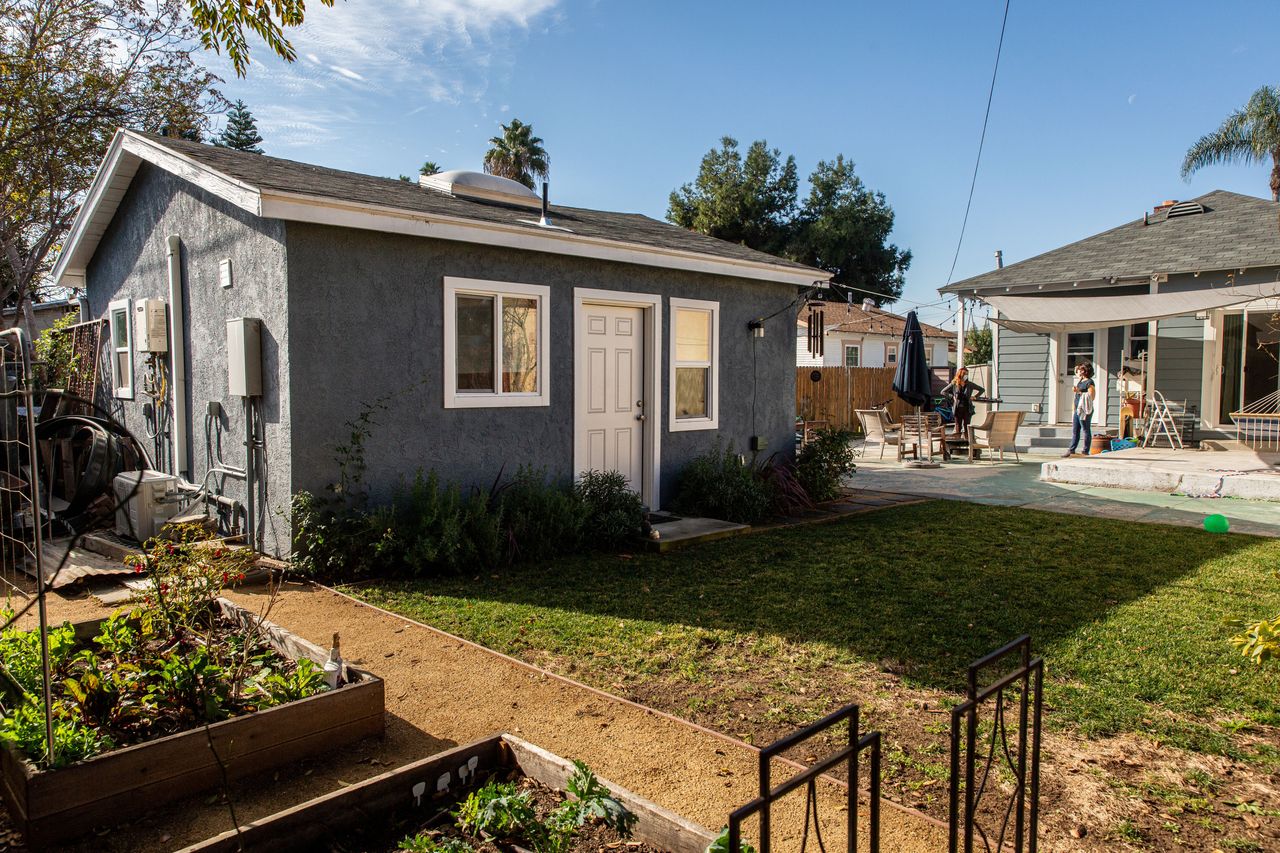
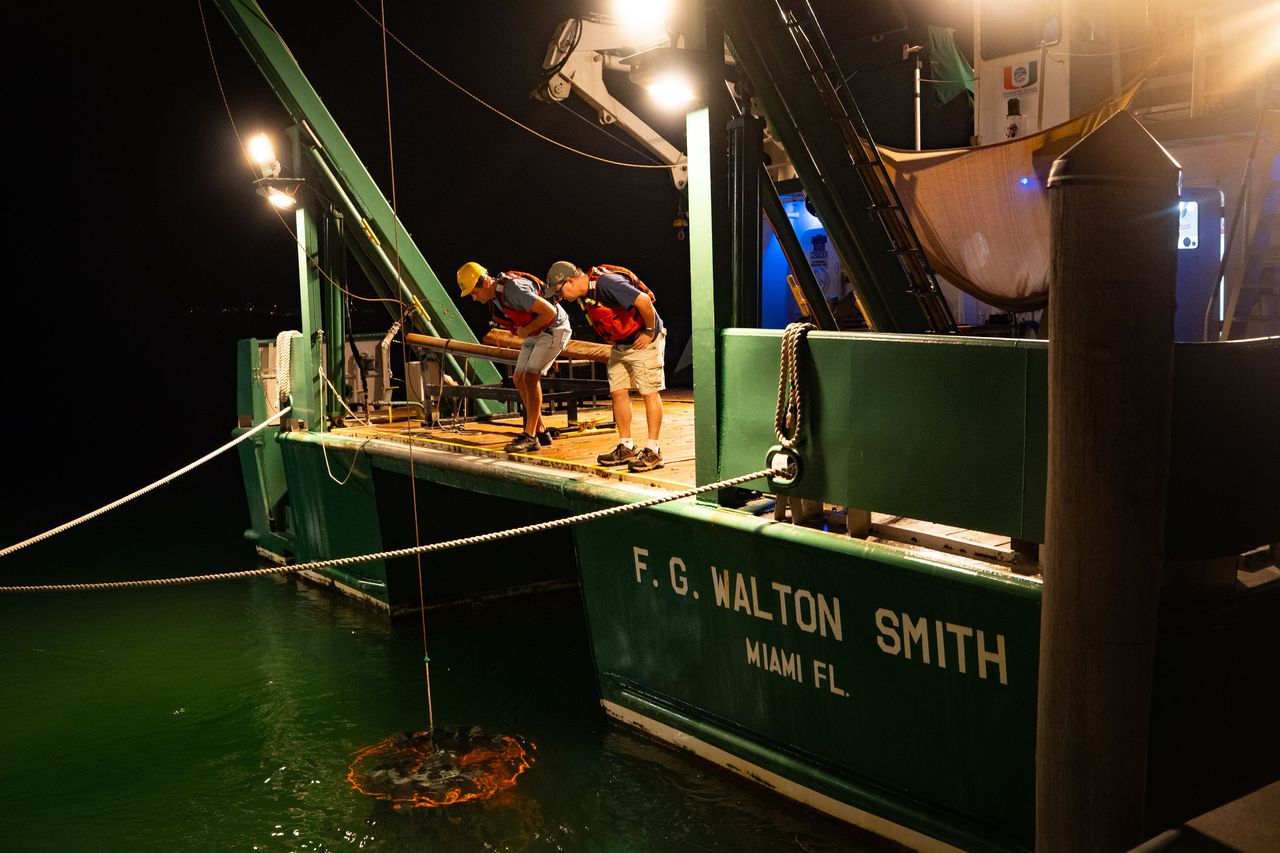
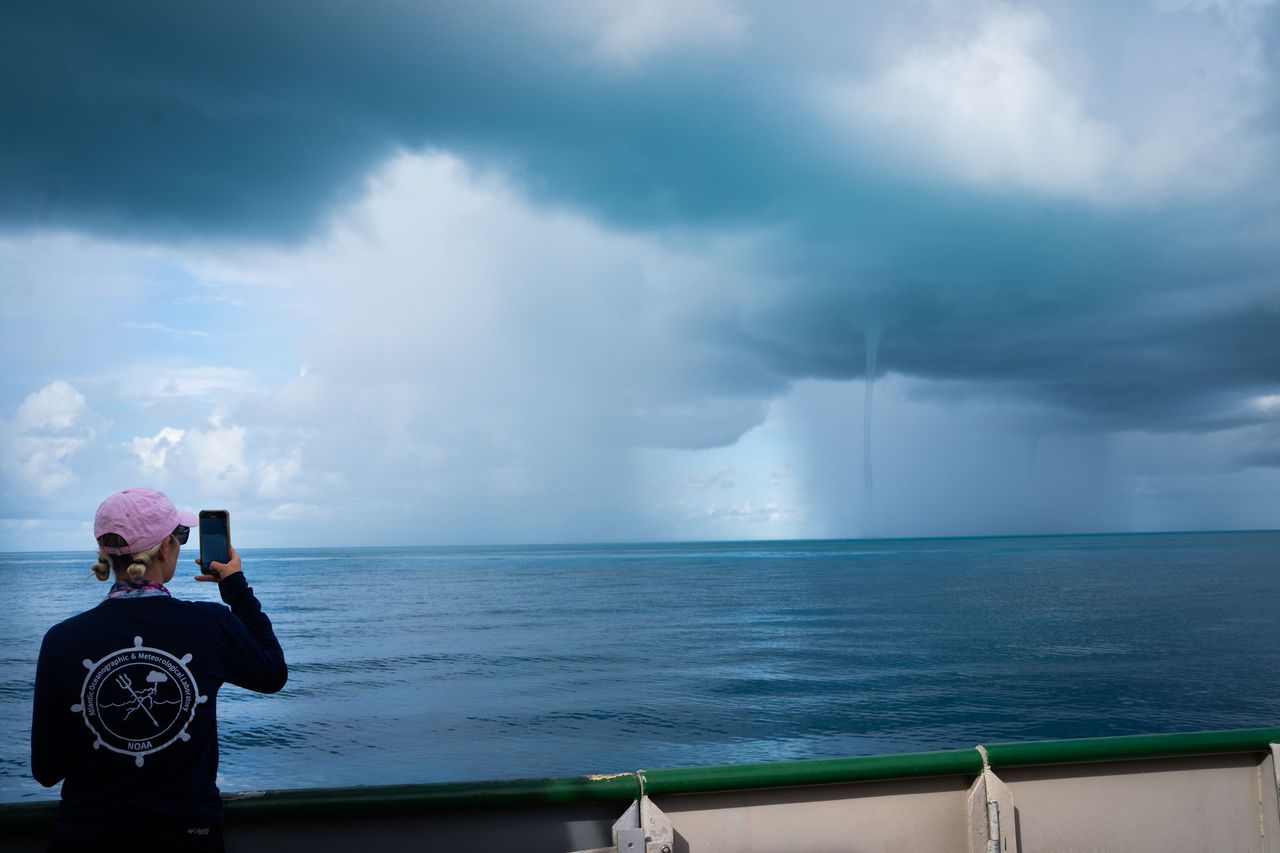
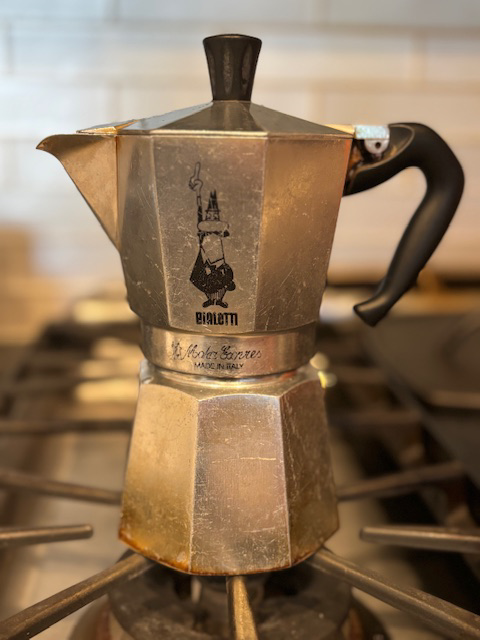
| | | | | An accessory dwelling unit, or ADU, in a backyard in Los Angeles. (Allison Zaucha/For The Washington Post) | | Proposing new homes in existing neighborhoods once amounted to political suicide for local officials. Today, politicians can't get enough of accessory dwelling units, or ADUs: small backyard and attached homes that are gaining popularity across the nation. California, which has passed 100 housing laws in six years, turned ADUs into VIPs by virtually eliminating city bans, onerous restrictions and fees, and granting "by-right" approval. Eighteen states, including Washington, Arkansas and Maine, (and even more cities) have passed laws paving the way for more in a rare show of bipartisanship. While no panacea for a housing shortage, ADUs help families and retirees make ends meet with rental income, house other family and friends, or downsize. They're also easing the burden on our climate: Every neighborhood ADU is one less unit that might be built in far-flung suburbs (buildings and personal vehicles account for about half of energy-related greenhouse gas emissions in the United States). The math for homeowners is attractive: A second home on the same lot. Higher home values (35 percent more than comparable homes without an ADU, reports the National Association of Realtors) and rental incomes of $2,000 per month in desirable markets. But the perils of financing, property management and byzantine regulations can turn it into a money pit. Read this week's Climate Coach column to understand the backyard home boom and how to build one. Write me with your questions at climatecoach@washpost.com. I read all your emails. |  | | Researchers lower an instrument for sampling and measuring the ocean. (Sarah L. Voisin/The Washington Post) | | For 43 years, scientists have been studying how water flows between Florida and the Bahamas. They're exploring a pressing question: Is the Florida Current, one of the world's fastest ocean currents, slowing down? It could indicate a wider slowdown, or even collapse, of the Atlantic Ocean's circulation system: the Atlantic Meridional Overturning Circulation, or AMOC. | | Marine scientist Tyler Christian photographs a waterspout (Sarah L. Voisin/The Washington Post) | | That could be disastrous. Rain patterns could change or fail in Southeast Asia and parts of Africa, while temperatures cool across Western Europe. Iceland declared the risk a national security threat. The Washington Post's Kasha Patel joined six researchers taking ocean measurements between Miami and the Bahamas to understand the state of our oceans — and humanity's future. Read the full story. | Snapshot Large numbers of fish swam through the shallow waters flooding the streets of Venice during a peak tide this month. Venice, climate scientists say, is an early warning sign for the problems facing all coastal cities as sea levels rise to unprecedented heights. Watch the city's struggle to stay dry. |  |  | The Second Degree Last week, I wrote about buy-it-for-life coffee makers for every coffee drinker. I was remiss in not mentioning two other options: First, the moka pot. "My good man!" wrote one reader. "How did you possibly miss the $30 macchinetta? It's stovetop and will indeed last as long as any of us do." While the coffee experts weren't over the moon about the quality of the coffee (because of the lack of temperature and flow control), I'm partial to its strong brew myself. Also, the AeroPress glass: another manual, plastic-free BIFL win. Many of you have designed and shared your own systems, as well. "I use a large, glass two-cup measuring cup with a paper-lined metal mesh filter," wrote Karen. "Much cheaper than all the fancy equipment and just as good." Bill of Lexington, Virginia, has a simple French press and grinder setup (his Technivorm Moccamaster brewers didn't live up to their reputation for reliability). It has worked flawlessly for years brewing Papua New Guinea beans from a small local roaster ($14 per bag). "I've brewed so many cups now that my sunk cost for equipment is less than a penny a cup," he wrote. |  | | The strong, espresso-like coffee from the moka pot has a lot of fans. Nike sent me a photo of her family's, still going after many years. "My mom also prepares her coffee the same way," she wrote, "a decades-old habit!" Send me your photos and stories at climatecoach@washpost.com | | Was this email forwarded to you? Sign up here to get The Climate Coach in your inbox every Tuesday. See you next Tuesday, Michael Coren, Climate Coach | | |









No comments:
Post a Comment