As regular readers of this newsletter in particular and Act...
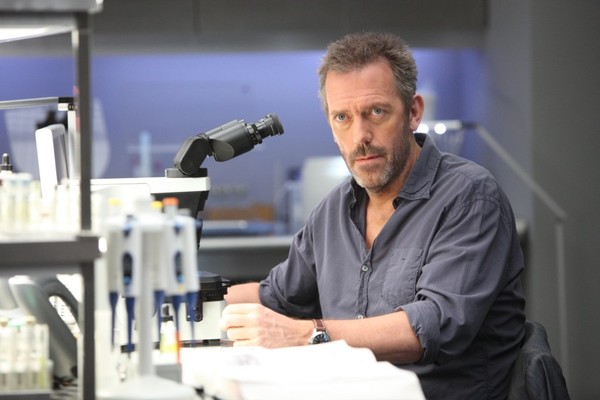
| |  | | | | Alyssa Rosenberg on culture and politics | | | | | | House (Hugh Laurie) runs tests in an episode of the show "House." (Adam Taylor/FOX) | As regular readers of this newsletter in particular and Act Four in general know, I grew up without much exposure to pop culture. Though that means there are holes in my knowledge, it also has one advantage for my work as a critic: Because I don’t know that things have always been a certain way, I don’t take for granted that they are normal, or the only way to do things. Whether it’s screaming inequities in who gets interesting roles in television or movies, or the sight of fictional cops firing their guns willy-nilly, I didn’t go into my work desensitized: a lot of things seemed strange to me when I started consuming pop culture as an adult, and they still do. But at the same time, I’ve been mainlining movies and television for 11 years now and to a certain extent, they have gotten to me, especially in areas of life where I don’t have personal experience to draw on. That happened this weekend, when I had to take a member of my family to the emergency room and get them checked into the hospital. (I am fine, and that person will be fine, but blogging may be a little light this week.) When we got to the ER, I realized that for all the episodes of “House” and “Grey’s Anatomy” I’ve watched in re-runs since I first got cable, I knew nothing about the things that actually mattered to us: How long was it normal to wait to be seen? How much time should it take to process the various tests that were going on? How long does it take for a hospital to find someone in an emergency room a bed and then to get them checked in? Obviously, it’s not a revelation to me that television is not the same thing as real life. Just as pop culture presents as normal things that are actually wildly abnormal and even dangerous, it’s valuable to remember how much of life never makes in on screen in the first place. As the narrator tells us in “Stranger Than Fiction,” “all these things, the nuances, the anomalies, the subtleties which we assume only accessorize our days, are in fact here for a much larger and nobler cause. They are here to save our lives.” | | | | | | | | | | | | | | | | |






 Twitter
 Facebook


No comments:
Post a Comment