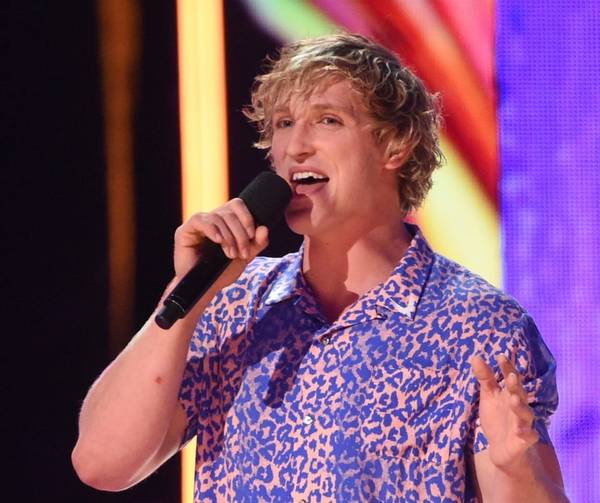
| As 2017 drew to a close, I found myself thinking a lot about a piece I wrote in 2014 that I’ve come to think was deeply mistaken. In it, I argued that even if the culture wars were back, they were unnecessary, because a proliferation of outlets and an increase in the sheer amount of new content meant that everyone could get exactly what they wanted from pop culture. If you wanted feminist video games, you might not get the biggest hits of the year, but there were going to be options out there for you. If you were turned off by the secular morality gaining traction in mainstream TV, there would be Web series and cable channels that affirmed your values. I hoped at the time that this could lead to a kind of truce, or at least that the intensity level of these conflicts could be turned down several notches, now that it was clear that the culture wars didn’t have to be a zero-sum game. In retrospect, that was obviously wildly optimistic, and my mistake was something I intend to return to over the course of 2018 because I think it’s important. One obvious problem I discounted is that even if people are getting exactly what they want from pop culture, they’re still going to crave approval and even preeminence for the culture they think is best. And that desire may become even more intense when people are getting pop culture that feels precisely tailored to them. Another major issue is that subcultures are more visible to each other than ever before, so the chances are higher that people will react in disgust to things they don’t like, just as are the incentives to defend the things you love more fiercely. And finally, there’s the problem identified by Richard Lawson in a perceptive piece on YouTube star Logan Paul, who has taken a great deal of heat for posting video of the body of a man who had recently committed suicide: that even as stars are more visible to the rest of us, they and their fans are increasingly adrift in their own moral echo chamber, which can make that subculture more extreme. “It’s the sense that YouTube has created not just its own economy—we’ve heard plenty about that already—but a kind of ethical relativism that, even in the intense glare of mass criticism like Paul got yesterday, seems almost invincible to any outside influence,” Lawson wrote. “The larger and more ardent one’s legion of supporters grows—a self-selecting horde that will not brook criticism of their idol in any form—the less and less external condemnation, or any kind of moral urging, really matters. Sure, almighty brands could back away, but they haven’t been terribly principled about that in the past, and anyway, people like the Pauls are creating their own revenue streams that seem more self-sustaining and less reliant on cozy big-name partnerships.” There’s lots to chew on here, with implications for many of our big debates today. I want to be accountable about what I got wrong in 2014, but I’m also curious about what our cultural forever war is doing both to pop culture and to us. I’m excited to get started. |






 Twitter
 Facebook
No comments:
Post a Comment