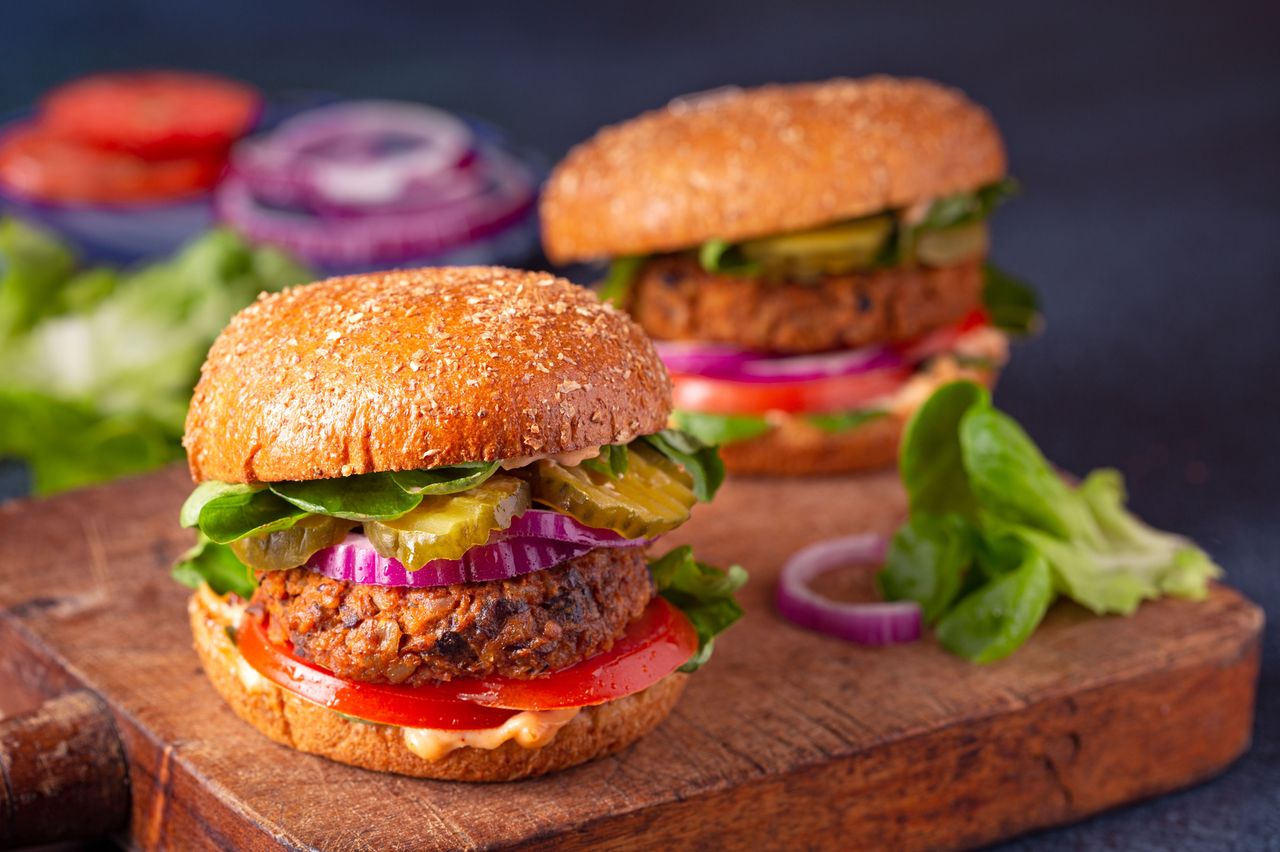
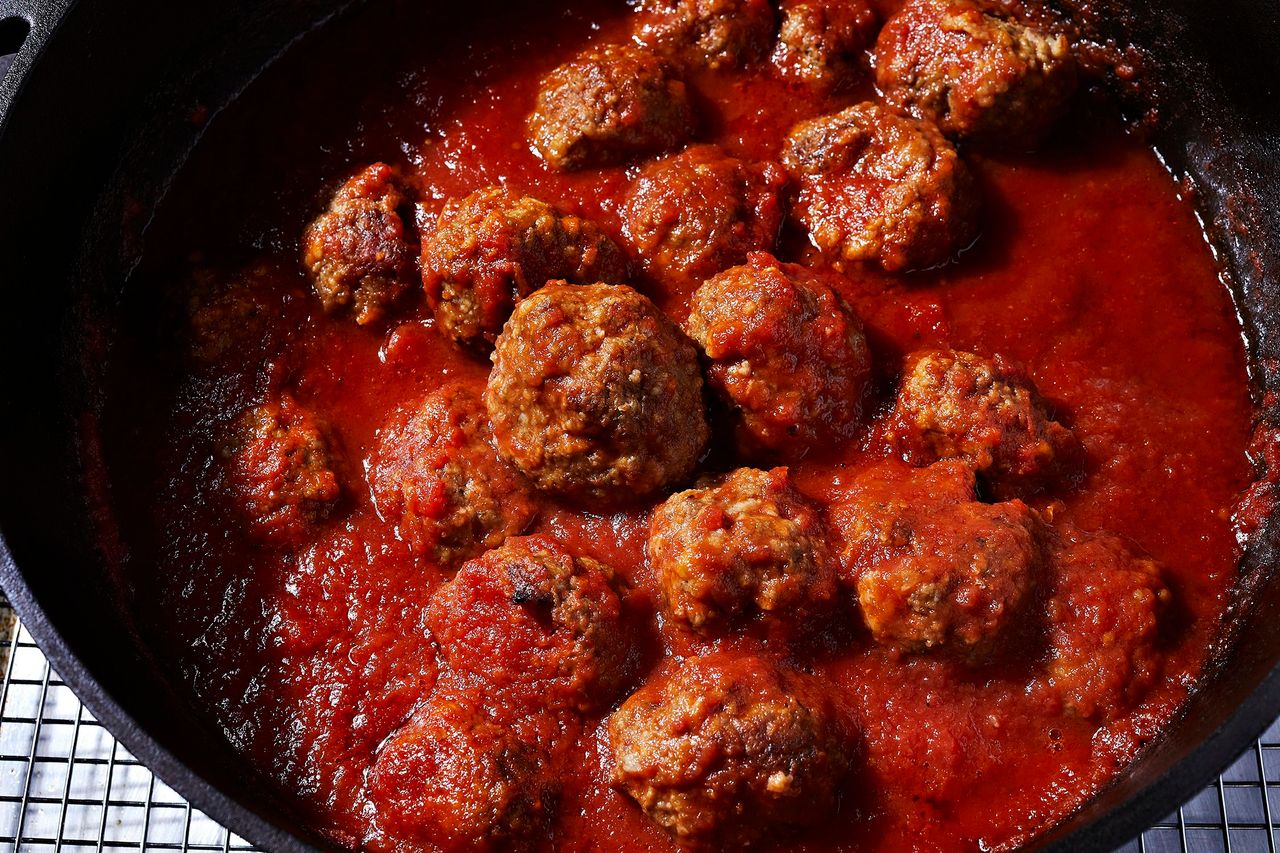
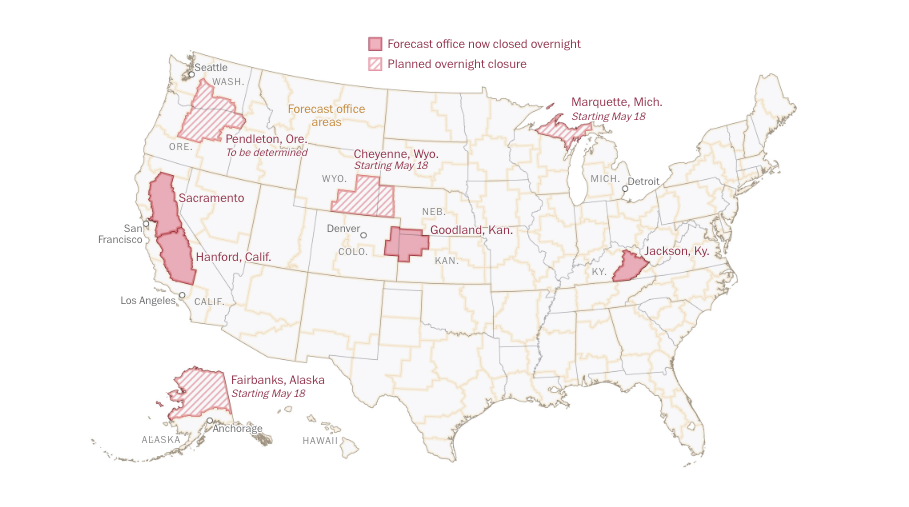
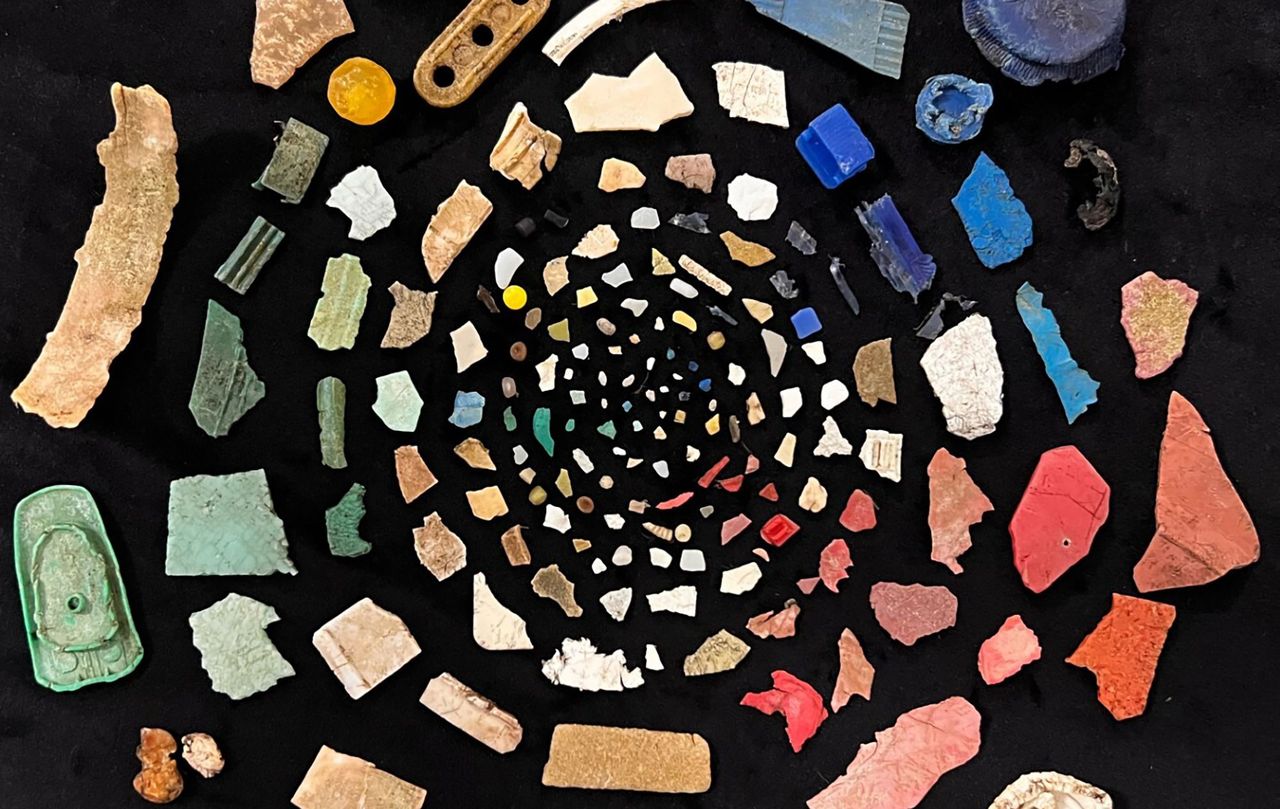
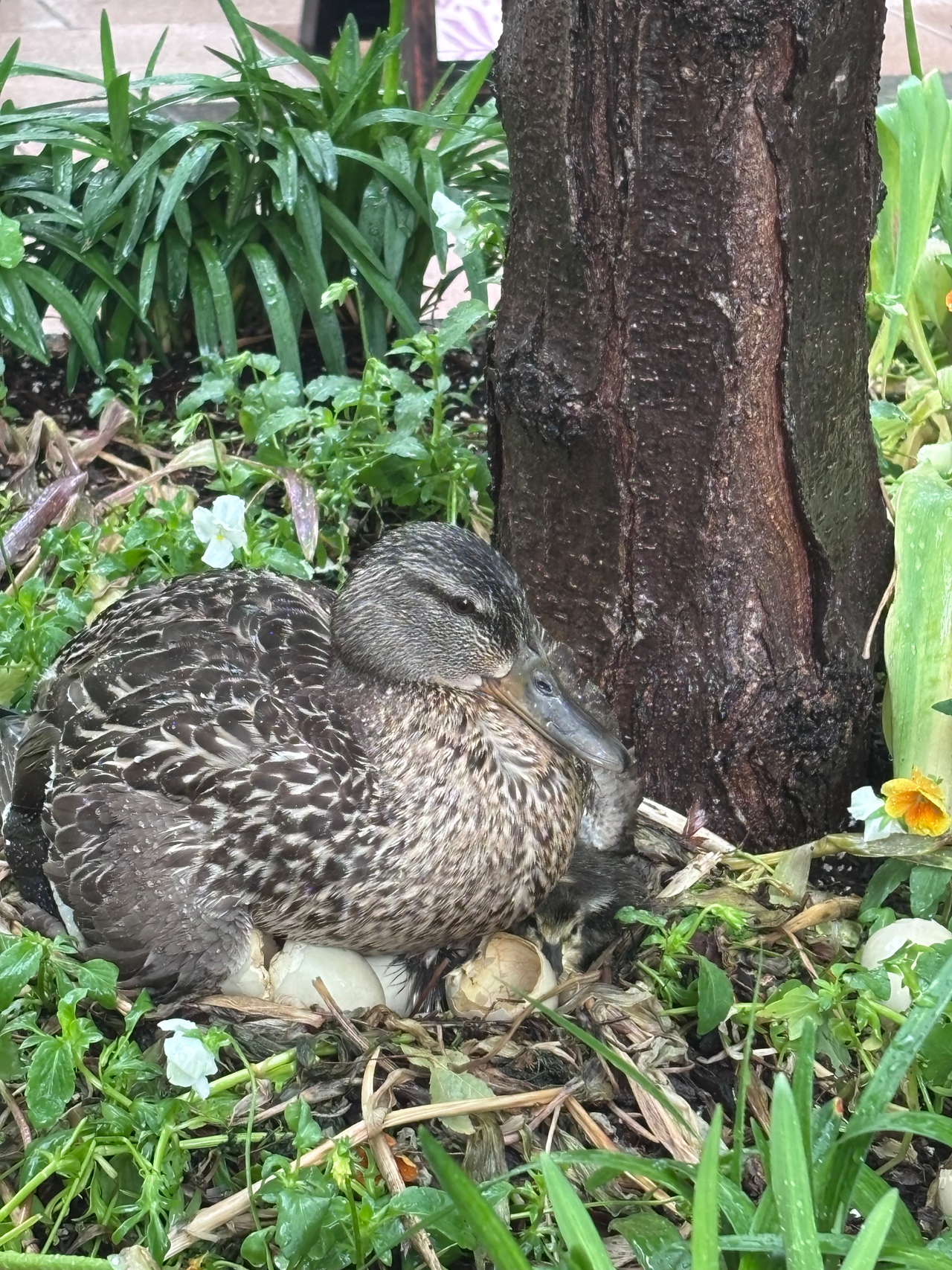
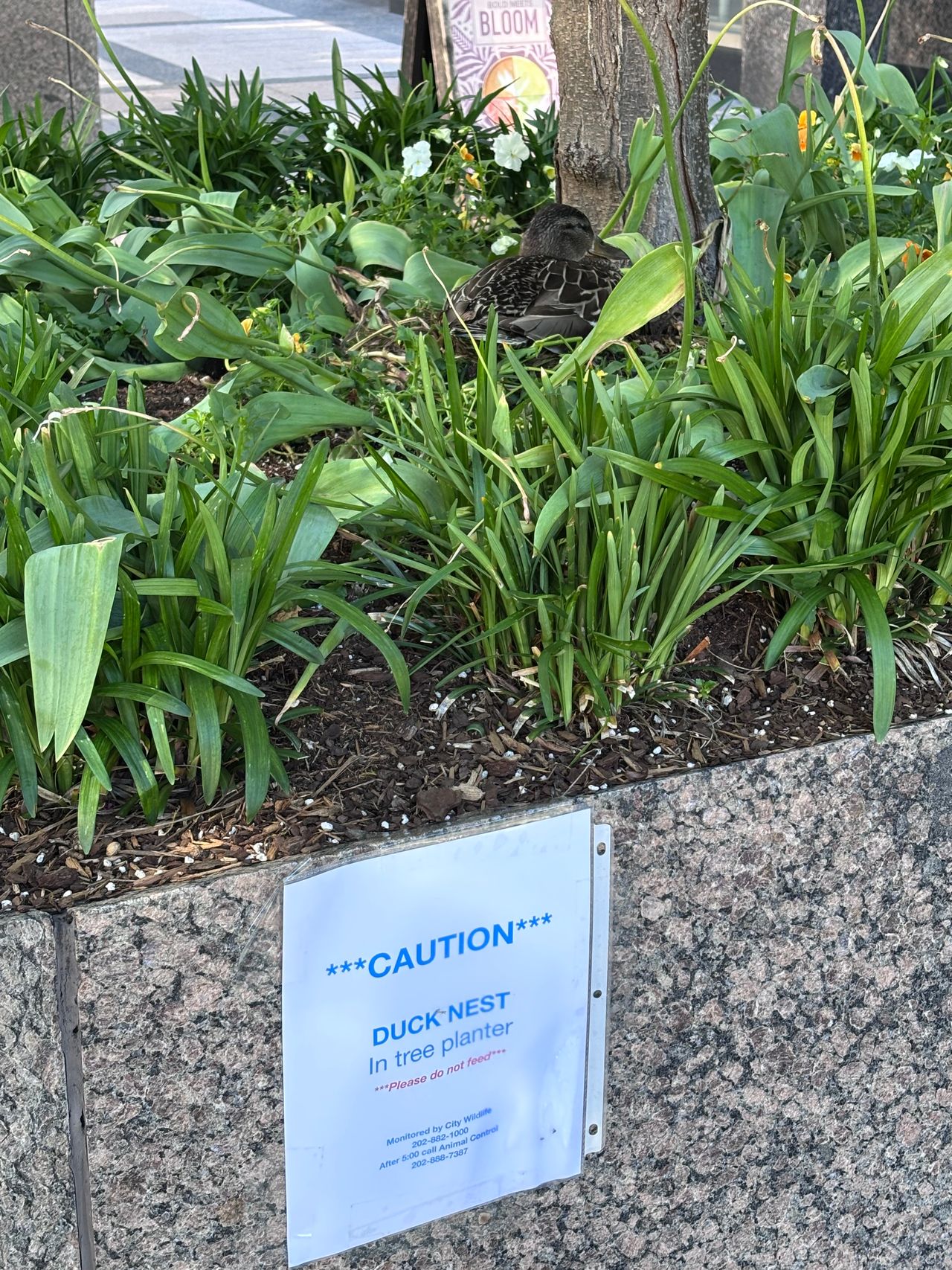
| | | | | Blended meats' greatest potential seems to be among meat eaters whose motivations center on taste, nutrition and convenience. (iStock) | | Welcome. This week, zeppelin rides and Britain's big bet on solar-geoengineering. But first, why blending meats with vegetables may be the hybrid car of the food world. | | Dumplings in China. Empanadas in Latin America. Meat loaf in the United States. If you've eaten food anywhere on the planet, you've probably indulged in some savory blend of meat and vegetables. These recipes have been with us for as long as we've had the ingredients. They tend to be a side dish in many traditional cuisines. But as chefs and companies try to make plant-based foods more palatable, they are becoming the main dish. Last month, I tried meatballs made by the Spare Food Company, which upcycles vegetables typically wasted on the farm. As I bit in, I braced for somewhat off-putting vegetal flavors to hit my tongue. Yet the meatballs were as mouthwatering as the ones my friend's nona made during her epic four-hour Italian lunches. Maybe better. I'm not alone in not being able to taste the difference. | | Conventional meatballs – but can you tell the difference? (Deb Lindsey/For The Washington Post). | | Blind taste tests sponsored by climate philanthropy Food System Innovations show that several blended meats are outperforming conventional meat, in addition to 100 percent plant-based products. These blended or "balanced" proteins — typically 30 to 70 percent plants — have begun making their way into buffet lines and freezer aisles across the country. Spare supplies food service companies with burgers that mix half a dozen veggies with beef in each juicy, umami-rich bite. Perdue's Chicken PLUS line is convincing thousands of kids to eat their veggies, smuggled inside chicken nuggets. Soon, Mission Barns plans to release a plant-based bacon using lab-grown pork fat: "the biggest missing piece," argued Eitan Fischer, the company's CEO. Since demand for novel plant-based meats has flatlined, blended meats look more and more like the hybrid cars of the food world – a bridge to a plant-based future. Blended offerings can cut emissions by about a third relative to conventional meat. But that doesn't appear to be their primary appeal. Their greatest potential seems to be among meat eaters whose motivations center on taste, nutrition and convenience. So are blended meats a flash in the pan among America's many food fads or a glimpse of "plant-based" food that's just better? I tried some to get a taste of the future. What's your most delicious way to eat vegetables? Send recipes to climatecoach@washpost.com. I read all your emails. |  | Learning Curve For at least half a century, the National Weather Service was watching weather around-the-clock across the United States. Not anymore. The U.S. DOGE Service's deep cuts have left the agency critically short of meteorologists. In at least four of its 122 weather forecasting offices around the country, there are no longer enough meteorologists to staff overnight shifts. More offices are expected to shut down at night. Forecasts and warning duties temporarily pass to neighboring offices each night. | | Although "NOAA anticipates no loss of critical information to the American people," spokeswoman Kim Doster wrote in an email, the lack of staffing risks missing unexpected weather events during the overnight shifts. You can read more about National Weather Service cuts. | Snapshot On Lord Howe Island, a remote territory about 360 miles off Australia's east coast, the seabirds are so full of plastic, they crunch. When researchers press on the sternums of sable shearwaters — similar to where a belly button would be on a human — the plastic makes a "gut-wrenching, crunching sound," said ecologist Alex Bond, principal curator at Britain's Natural History Museum. "In the most severely impacted birds you can hear that while they are still alive." The plastic ends up in seabirds because they mistakenly fish it out of the ocean and feed it to their chicks, researchers say. One bird ingested nearly 800 pieces. | | Mosaic of plastics ingested by one seabird chick on Lord Howe Island, Australia, including a plastic fork and a blue bottle cap. (Jennifer Lavers/Adrift Lab) | | Bond is part of Adrift Lab, a group of researchers that has been studying sable shearwaters on Lord Howe Island for almost two decades. It's part of a bigger effort studying the effect of the estimated 170 trillion pieces of plastic in the world's oceans, a growing "plastic smog" polluting the marine world. "This isn't microplastics," Bond said in a phone interview. "We're talking items up to and including the size of bottle caps and tetra pack lids, cutlery, clothes pegs, the takeaway soy sauce fish bottle that you get from restaurants. … That's the sort of thing that we're finding in the stomachs of these 80-day-old chicks." Experts said seabirds serve as a "canary in the coal mine" for other species. "The plastic crisis is accelerating — and demanding more from all of us," said Bond. Read about the sable shearwaters of Lord Howe Island. |  | The Second Degree Energy Star supporters wrote elegies for the embattled government program after my last column on how to find money-saving appliances if President Donald Trump ends the program. Zach, an undergraduate at Miami University of Ohio, grew up with the program and lamented its loss for future students. "I was taught about Energy Star and Energy Guide in the sixth grade!" he wrote. "Our science class all received compact fluorescent lightbulbs and low-flow showerheads to teach us about efficient, eco-friendly utility usage. Whether that showerhead got installed or not, it instilled responsible values in me that I fear new generations won't be exposed to." But Bill Prindle, who has worked on clean energy policy for decades, believes the program may still have a future. "Standards, and ENERGY STAR, create regulatory certainty and reduce market confusion," he wrote. "When the ideological wave ebbs, I predict industry will find ways to keep ENERGY STAR and standards going." |  |  | | Spring is in full swing (and if you're living on the East Coast, it already feels like summer). Jennifer Baik, a D.C.-area resident and former Washington Post employee, sent over this hallmark of warming weather in the capital: an irresistible photo of a mother duck nesting with her chicks in a street planter on the way to her office. "I've been watching this duck for a week," she wrote. "There's a cute little sign under it, too, saying there's a duck nest." | | And a correction: The photo and description about the composting system in the last newsletter belonged to Saraswathy Ganapathy in Bangalore, India, not Manish Desai. Thank you for sending it, Saraswathy. Was this email forwarded to you? Sign up here to get The Climate Coach in your inbox every Tuesday. See you next Tuesday, Michael Coren, Climate Coach | | |






No comments:
Post a Comment