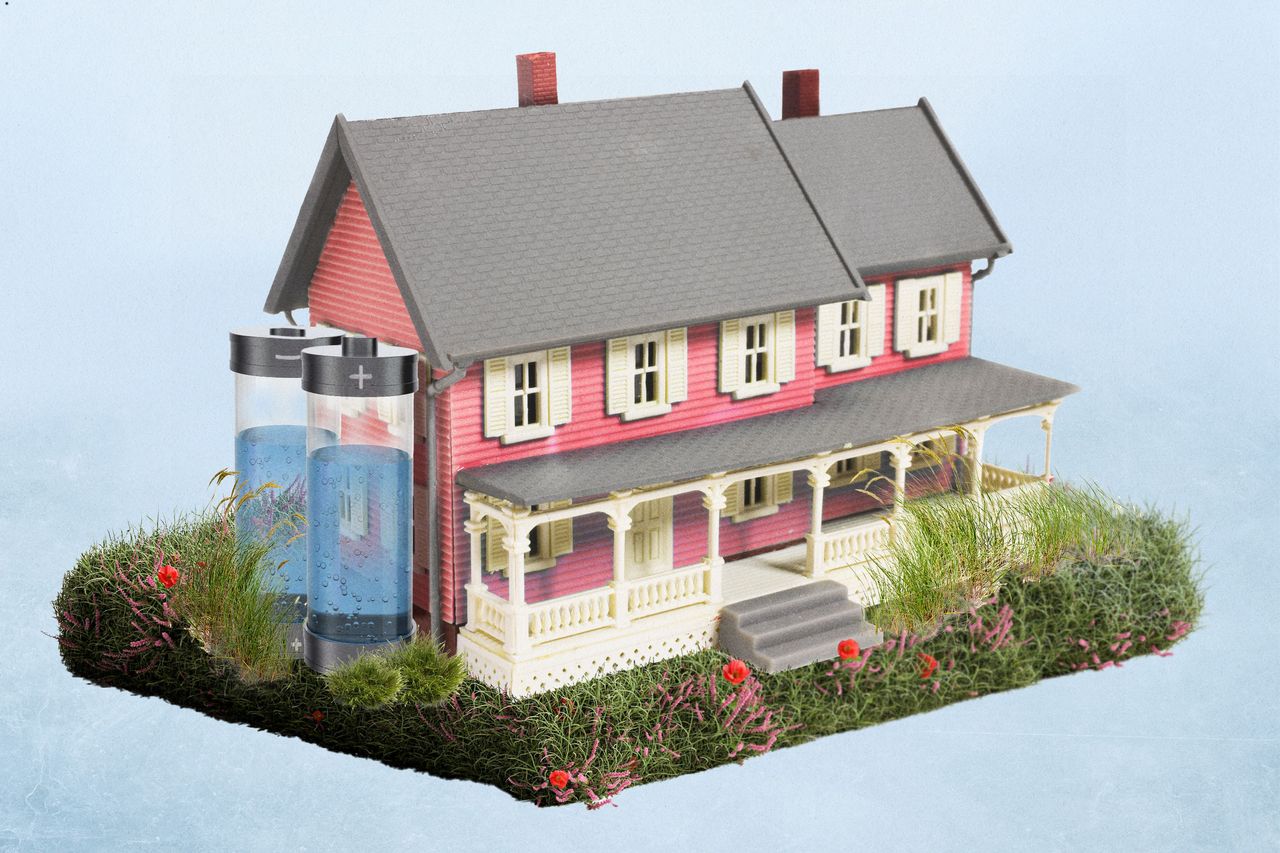
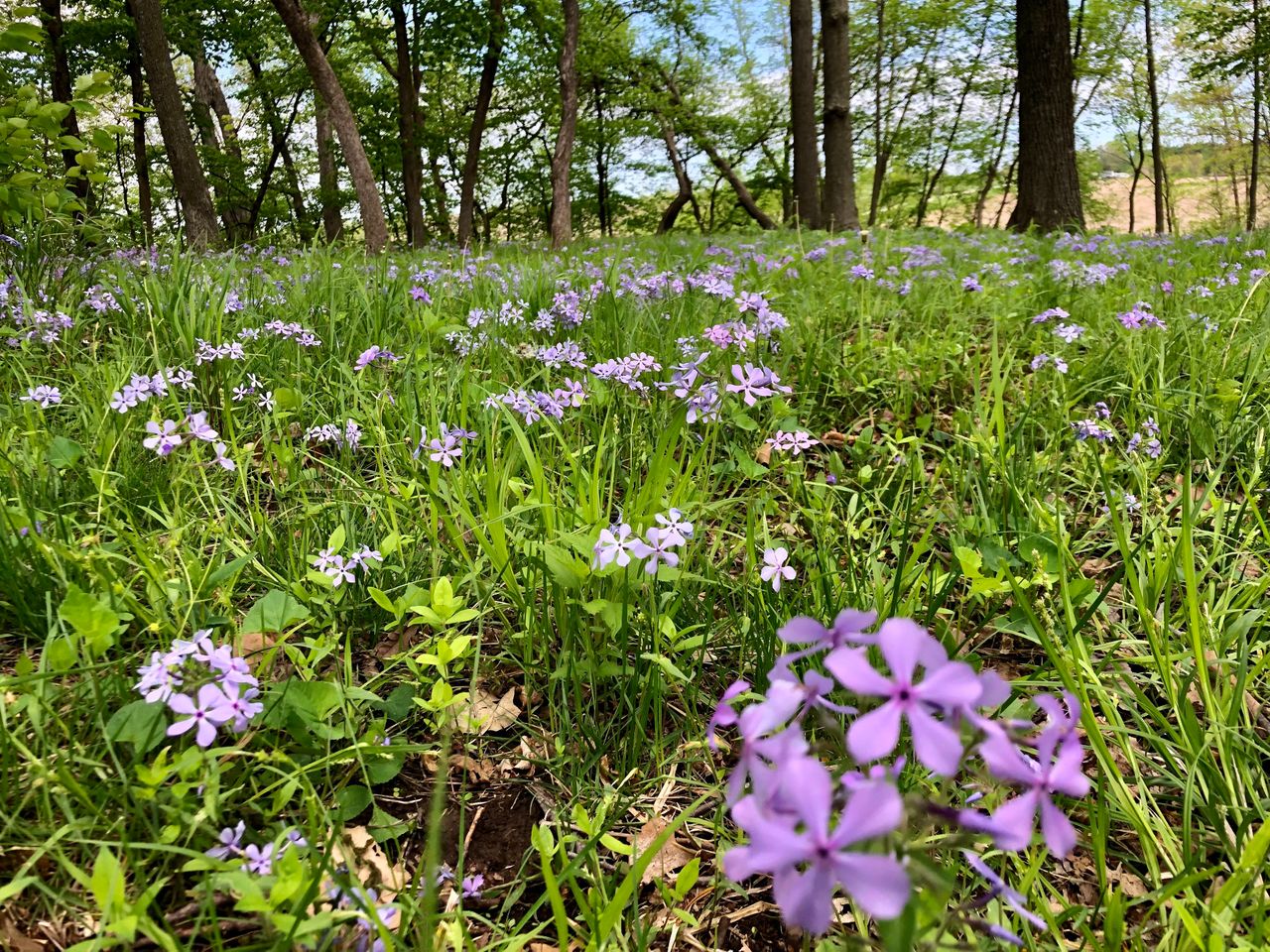
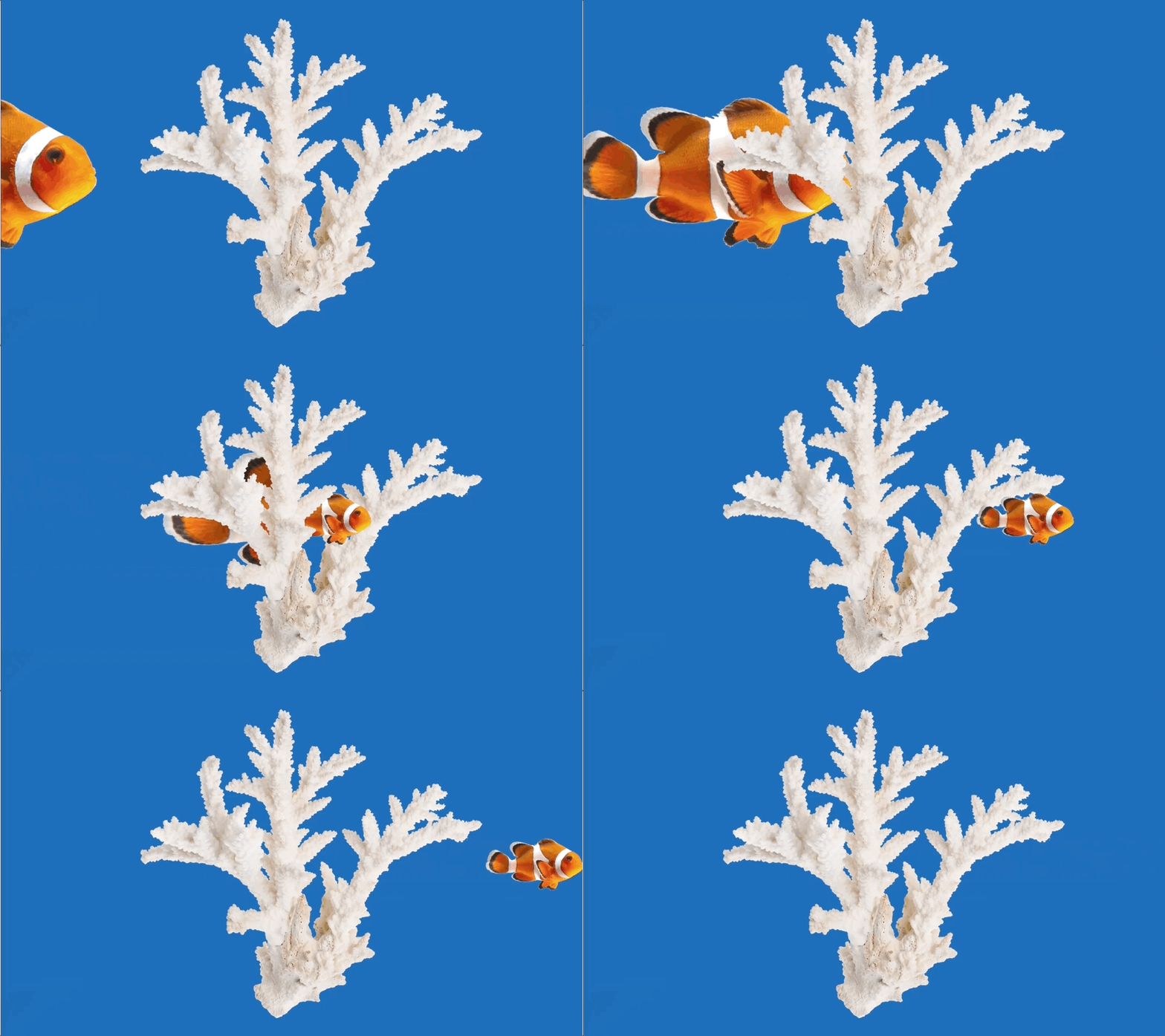
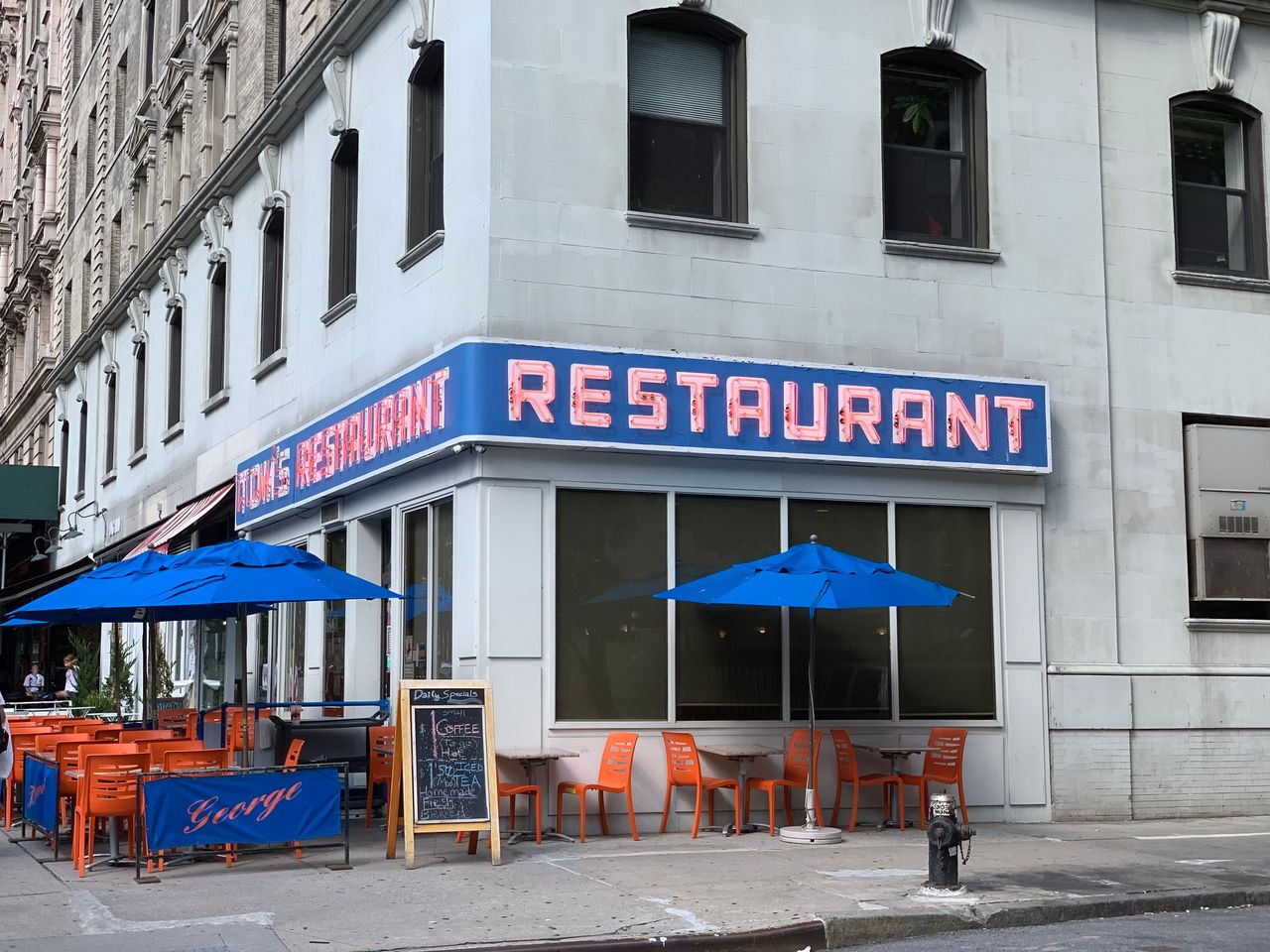
| | | Welcome. This week, shrinking Nemo, and a wind farm grows near Brooklyn. But first, how to turn your water heater into a big home battery. |  | | Three years ago, Ted Treadwell turned his water heater into a battery. His home in Santa Rosa, California, had relied on a gas-powered furnace and water heater for a quarter-century to stay warm. But as the equipment neared the end of its life, the retired software engineer wanted something new — and to sever his ties to the gas utility. So he chose a system designed by Harvest Thermal. Unlike systems that heat water and air separately, this one does both. One ultraefficient heat pump brings water up to 150 degrees Fahrenheit in a 119-gallon tank. This acts as a "thermal battery" capable of storing heat for 24 hours or more. When Treadwell turns on the showers, hot water flows from the tap. When it's cold inside, a fan blows air over coils recirculating hot water from the tank into the home. It's all controlled by a small computer that ensures the heat pump uses electricity when it's cheapest and cleanest. The company estimates that it shaves 20 to 30 percent off the average utility bill and 90 percent of emissions from heating the average home. In Treadwell's case, the utility now pays him each month. Thanks to solar photovoltaic panels on his roof and the ability to soak up energy when it's most abundant, he often generates more energy than he uses, and Pacific Gas and Electric adds credits to his bill. He expects to recoup his investment within a decade. "It's a great system," Treadwell said. "I wish more people knew about it." Converting America's water heaters into smart batteries could help address both climate concerns and energy issues. Homes contribute about 20 percent of U.S. emissions. Roughly half of this energy goes to heating and cooling living spaces, while another fifth runs appliances that heat water, such as dishwashers and water heaters. Utility companies are building pricey power plants, transmission lines and storage to meet this demand and ensure electricity keeps flowing during the few hours each day (or even a few moments each year) when power demand peaks but supply is short (the dreaded "duck curve"). Decarbonizing America's homes would be much easier if they could soak up power outside peak hours. A big tank of water may be the answer. Have you broken up with your gas company? Send your stories to climatecoach@washpost.com. I read all your emails. |  | Field Sample When The Washington Post published an interactive article on "Why you should let your grass grow," the reader photos poured in. Some of the best are in this photo essay designed and compiled by Emily Wright, Allyson Chiu and Frank Hulley-Jones: On the wild side. | | Kathleen Janz describes hers above in Ainsworth, Iowa. "I mow our backyard once a year to discourage the gooseberry and dogwoods. It's mostly sedges and ephemerals. In over 14 years, I've never raked the leaves. We were lucky to not have a real lawn to start with, but my neighbor is removing his turf with the same success." | Learning Curve Nemo is getting smaller as the climate warms. In a new study, researchers found that clownfish are more likely to survive deadly marine heat waves by shrinking. Nearly three-fourths of the brightly colored anemonefish adults decreased in length, according to the study. Those that shrank alongside their breeding partners were more likely to survive marine heat waves. | | "If adult organisms can shrink in response to environmental stress — perhaps to reduce metabolic demands — this could reshape our understanding of how species survive in a changing ocean," said Joshua Lonthair, a lecturer at the University of Massachusetts at Amherst. Read more about the species' resilience. | Snapshot Since 1966, a NASA climate lab has sat above Manhattan's Tom's Restaurant, a diner that was made famous as the dining place for characters of "Seinfeld." | | The outside view of the restaurant from the show "Seinfeld." (iStock) | | But NASA has told more than 100 people working at the Goddard Institute for Space Studies they must leave their historical location, a Columbia University-owned building known as Armstrong Hall, ostensibly part of cost-saving measures by the Trump administration, reports the Guardian. The Goddard Institute for Space Studies has incubated breakthrough climate science, a Nobel Prize winner and one of the world's first climate models. NASA said the 130 staff will be working remotely until a new space can be found. But cost savings may never materialize: The $3 million annual lease between Columbia and the federal government cannot be broken early. |  | The Second Degree Plant-based meat has a problem, I wrote last week. It may need more meat.
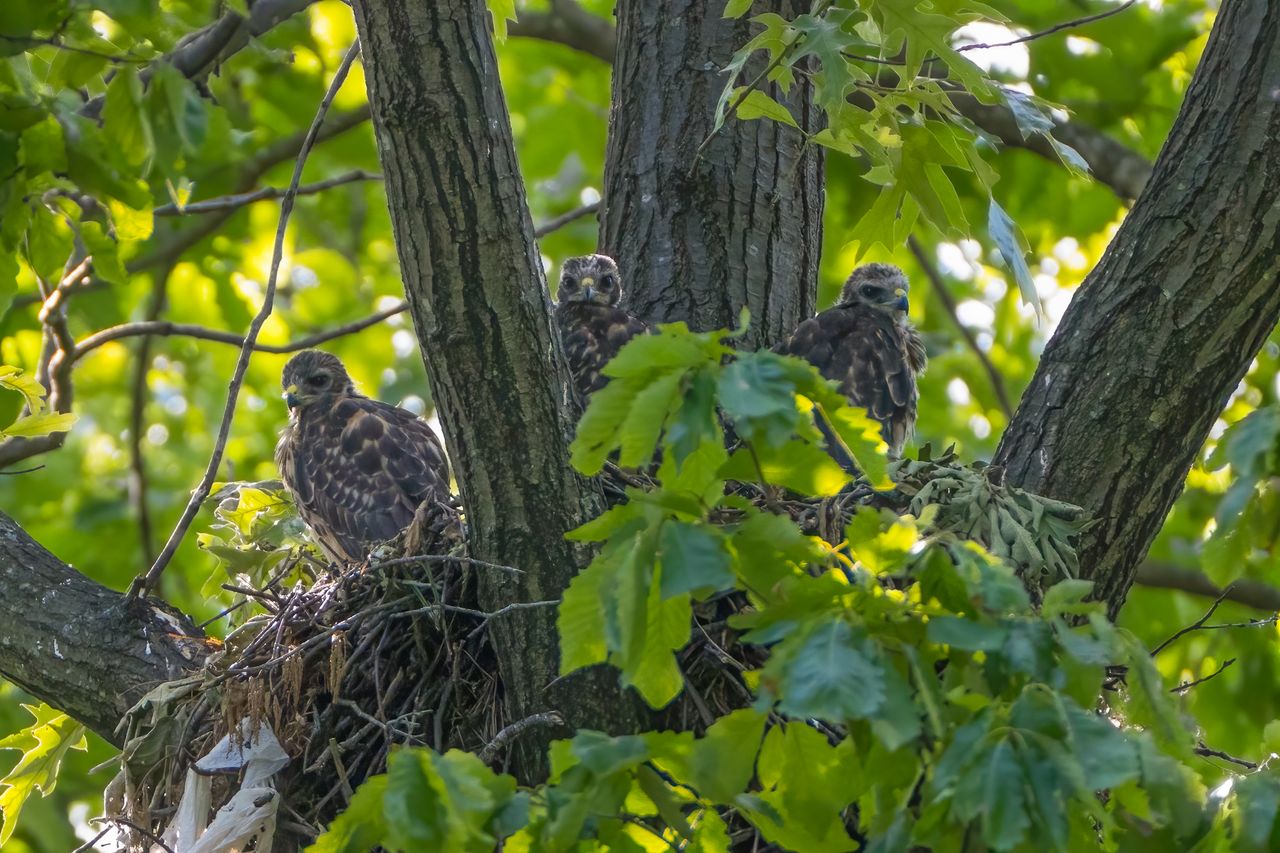
Many of you sent in your family recipes. Among them were "Mom's burgers" with minced onions and carrots (and, sometimes, old breadcrumbs). Another recipe used 50 percent beef with lentils, quinoa, mushrooms, onions, kale and garlic. Others thought it was better to ditch the meat altogether. "If people actually saw ground beef and sausages being made, and what goes into them, they would be mortified," wrote one reader. "All the large, hard fat pieces and connective tissue that goes into ground meats is disgusting. I'm saying this because we did it all in culinary school and I continue to see it professionally." Sydney, 28, went all in on plant-based eating two years ago. "My husband and I … will never look back," she wrote. "As someone who loves to cook and grew up with a professional chef for a parent, I feel like diving into plant-based food has opened up a whole world of food experimentation I wasn't aware of." If you still think it's too hard, consider Japan. After the arrival of Buddhism from Korea in the 6th century, Emperor Tenmu issued what may have been the first edict restricting meat consumption. It led to a 1,200-year-old taboo on consuming animals in Japan. |  |  | | Many hatchlings arrived in my inbox this week. Arthur Hass of Reston, Virginia, sent in this photo of red-shouldered hawk chicks nearly ready to fledge. Send me photos of cute wildlife at climatecoach@washpost.com | | Was this email forwarded to you? Sign up here to get The Climate Coach in your inbox every Tuesday. See you next Tuesday, Michael Coren, Climate Coach | | |







No comments:
Post a Comment