Over at Vulture, Angelica Jade Bastién has written a lovely retrospective look at Ted Danson's career, with particular attention to his performance as the demon Michael on the...
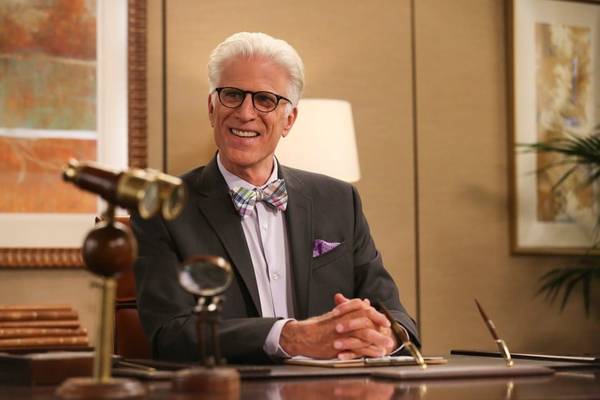
| |  | | | | Alyssa Rosenberg on culture and politics | | | | | | Ted Danson in the "Michael's Gambit" episode of NBC's "The Good Place." (Vivian Zink/NBC) | Over at Vulture, Angelica Jade Bastién has written a lovely retrospective look at Ted Danson’s career, with particular attention to his performance as the demon Michael on the wildly unusual sitcom, “The Good Place.” “Where Danson truly shines is on television. He has that particular blend of warmth, familiarity, and just the right amount of invention that’s required of an actor — the kind who becomes a titan of the half-hour sitcom, which Danson did with the NBC series ‘Cheers,'” she argues, summing up Danson’s appeal. “It takes a curious alchemy to be a TV star, especially one so associated with half-hour sitcoms, which require a blend of familiarity that should never become stale, lest they risk dimming in the mind of the audiences who allow them in their home week after week. ” I flag the piece not least because I suspect there are Ted Danson aficionados among the readers of this newsletter (as there are among all sensible people). But Bastién’s diagnosis of what makes Danson such a wonderful television actor is also an apt explanation of the unique power of television. In recent years, there’s been a lot of discussion of why television seems to have leveled up as an art form, usually referring to ways in which it has become like some other medium. Serialization has allowed television to become more like novels! The migration of directors with the ambition to do things like long tracking shots has made television more like film! Some of these things are definitely true, and it’s wonderful that the people who make television are being allowed to do more things than seemed narratively or artistically feasible in the past, and that they are able to draw from larger pools of talent. But it’s also true that television can do something that film and novels cannot: spend tens or even hundreds of hours digging into individual people, what makes them who they are, what forces them to grow, and how their relationships with the people in their lives change. That’s just an extraordinarily special and empathetic thing for an art form to be capable of doing. And its greatest practitioners, like Danson, must be capable of being curious about their characters and capable of teasing out their evolutions, even in shows where the change is designed to be gradual and ultimately small, rather than dramatic. Everyone who loves television should remember this if we ever find ourselves in a defensive crouch: Ted Danson is a living example of what made television great long before its so-called Golden Age, and what remains its signature greatness even as it grows in other ways. | | | | | | | | | | | | | | | | |






 Twitter
 Facebook
No comments:
Post a Comment