Every week, I answer a question or address a comment from the Monday Act Four Live chat in the Wednesday edition of this newsletter. You can read the transcript of the Nov. 6 chat...
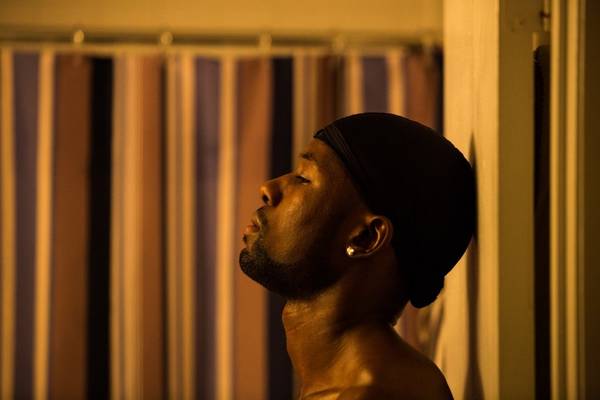
| |  | | | | Alyssa Rosenberg on culture and politics | | | | | | Trevante Rhodes in "Moonlight." (David Bornfriend/A24) | Every week, I answer a question or address a comment from the Monday Act Four Live chat in the Wednesday edition of this newsletter. You can read the transcript of the Nov. 6 chat here and submit questions for the Nov. 13 chat here. This week, a reader was telling me about comforting pop culture and in the course of listing some recent favorites, including Kevin Kwan’s “Crazy Rich Asians” trilogy, said something I found profound and important: I have been doing a deep dive into literature, TV and movies that have nothing to do with me. I find it comforting to be lost in identity/experience that is completely unfamiliar, which forces me to consider our world from the periphery, rather than the center (i.e. “Exit West,” “Notes on a Foreign Country,” “Moonlight”). So often when we talk about diversity, we talk about it in terms of identification. People are starving to see themselves represented on the page and the screen; they’re desperate to hear their stories told. All of this is absolutely true, and it’s inexplicably dumb that the entertainment industry doesn’t seek to capitalize on the obvious market represented by this hunger. And representation can obviously have good, affirming effects on people who feel that their lives and their experiences are affirmed when they’re reflected back at them. But this isn’t the whole story, nor is it the entire case for telling new and previously marginalized stories in mass culture. People who are already fulsomely represented also have a lot to gain by getting access to new stories. Pop culture is one window into the world around us, to places and to communities that may not be geographically proximate or readily accessible for other reasons. When you’re overwhelmed by your own thoughts or worries, it can be immensely valuable to immerse yourselves in dilemmas or perspectives that have nothing to do with our own, if only as a temporary relief. There are times that this sort of curiosity can veer over into tourism, or into a pornography of someone else’s suffering. But that’s a case not against cross-cultural and cross-community inquisitiveness, but for more fizzy Asian and Asian American romances like “Crazy Rich Asians,” more epic love stories like “Exit West,” more experimental and deeply felt portraits like “Moonlight.” Pop culture should provide us all with recognition and escape. It can’t do that for everyone if all pop culture is the same. | | | | | | | | | | | | | | | | |




 Twitter
 Facebook
No comments:
Post a Comment