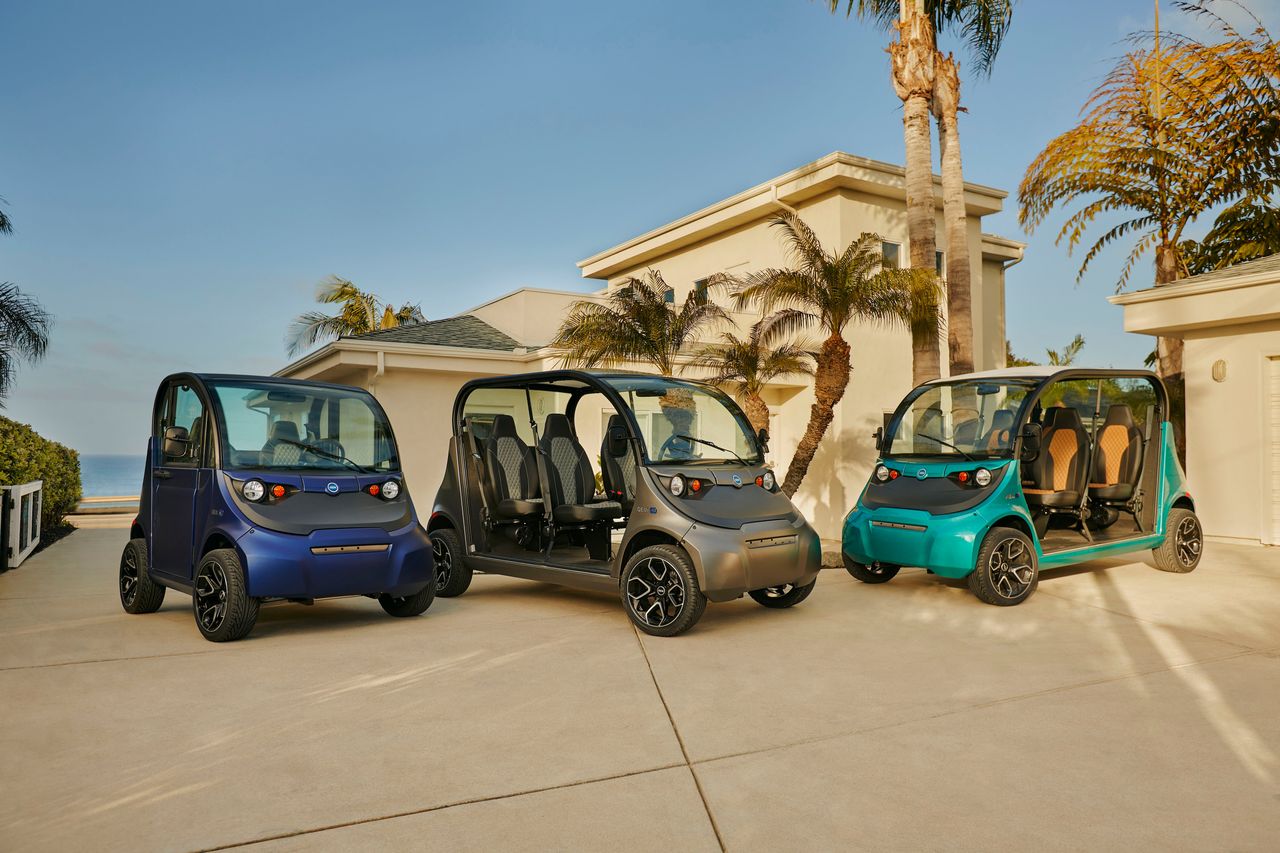
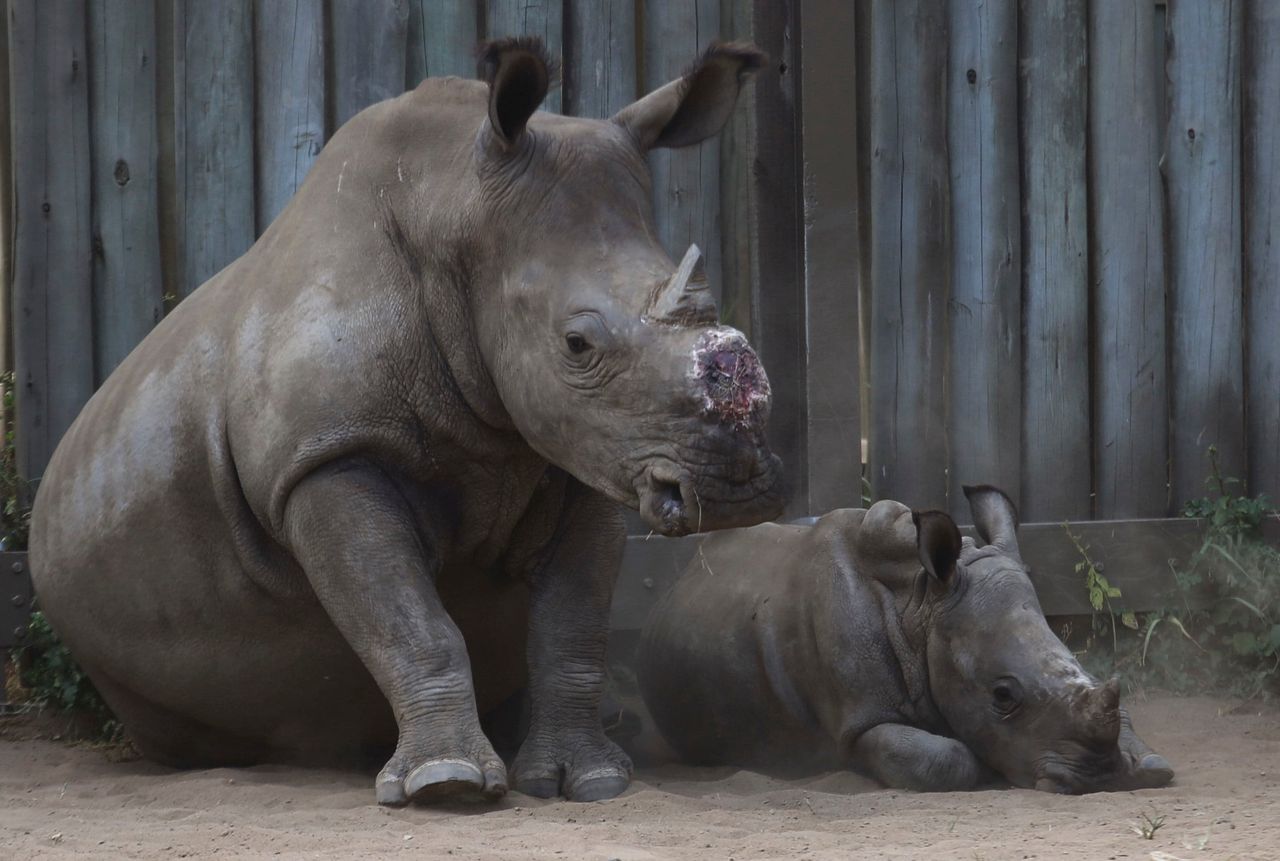
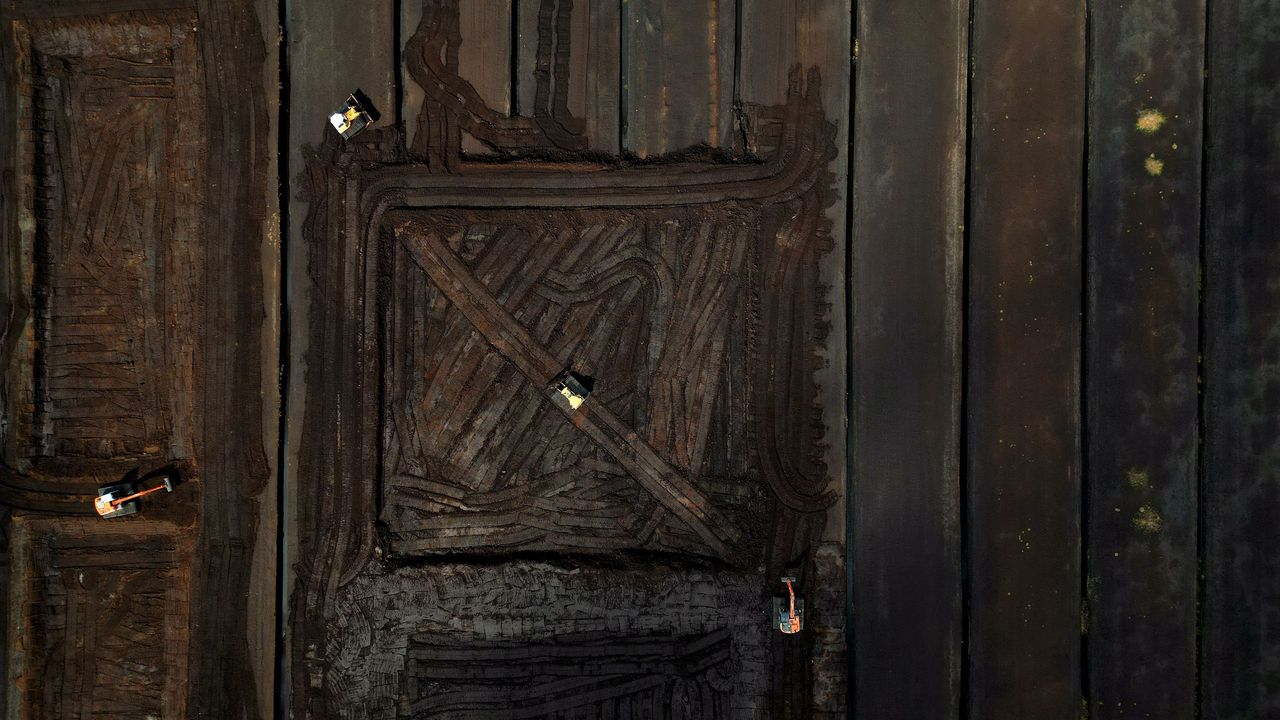
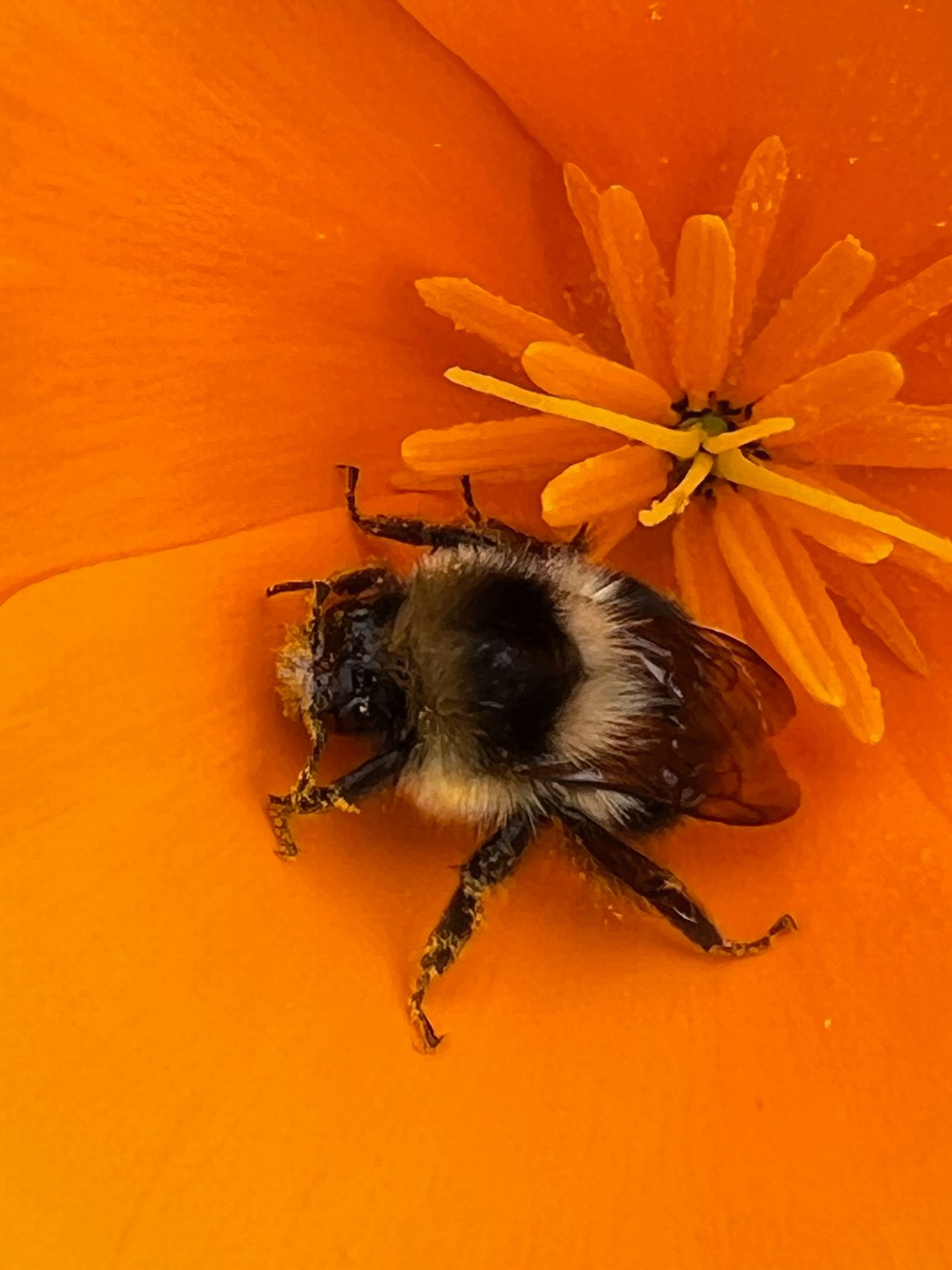
| | | | | Welcome. This week, salty rivers and the MAGA case for carbon taxes. But first, the minicars are coming — slowly. | | Minicars are already popular in Europe and Asia. A growing number of U.S. cities are making way for them on the road. (Business Wire/AP) | | I turn the key. The touch screen on the dashboard flashes to life. Colored disco lights illuminate inside the speakers. As I smash the accelerator to the floor, the electric motor sprints into high gear, about 25 miles per hour. Welcome to the future of city driving. Maybe. Last week I test drove a new way to get around: electric minicars. Squint and you might see a golf cart. There's a boxy frame with no windows and no doors. But look closer and you might see that these minicars — alternatively "low-speed vehicles" (LSVs) or, in federal bureaucratic parlance, "neighborhood electric vehicles" (NEVs) — are equipped to fill a missing middle ground in America's transportation fleet. They boast many of the features and functionality of a full-size car, but at a much lower price, while delivering the environmental benefits of an e-bike. Although minicars are already a staple in Europe and Asia, most Americans have never heard of them. Safety concerns, inadequate infrastructure and depressingly few choices beyond glorified golf carts have steered people away. But change is coming. Nearly all 50 states now allow them, said Daniel Sperling, director of the Institute of Transportation Studies at the University of California at Davis. On a recent trip to Florida, I saw them everywhere, and some cities are passing laws to encourage them. A wave of new designs is about to hit the market on two, three and four wheels — including one from a spin-off of Rivian, the electric truck maker. Americans may have a tough time ending their love affair (or is it a forced marriage?) with big cars and trucks. But if 80 percent of daily trips in the United States are under 10 miles, can LSVs handle the task? To test the proposition, I revved some up in the Bay Area and tried to reimagine transportation unconstrained by old ideas of what cars are supposed to be. Are these cars to drop off your kids on the way to the office (me) — or just a toy? Hop in. Let's go for a spin. Have you been behind the wheel of a minicar? Send me your stories at climatecoach@washpost.com. I read all your emails. |  | Field Sample To save a rhino, cut off its horn. Rhinos' horns, which do not have nerves, grow back in a few years after being trimmed by veterinarians. A study in the journal Science found that removing pachyderms' horns slashed poaching by 78 percent over seven years in eight reserves of 11 studied in South Africa. | | A dehorned rhino and her calf rest in their corral at a rhino orphanage in the Hluhluwe-iMfolozi Game Reserve in the KwaZulu Natal province South Africa in 2016. (Denis Farrell/AP) | | Dehorning is "a necessary evil," said Timothy Kuiper, the study's lead author and a senior lecturer in conservation and statistics at South Africa's Nelson Mandela University. But conservationists say it should be a measure of last resort, not a long-term solution. There are fewer than 28,000 rhinos in the world, down from 500,000 at the beginning of the 20th century. Read more about the future of the rhino. | Snapshot In Ireland, peat bogs have warmed people's homes for centuries. But tradition and the climate are clashing. As the European Union seeks to cut the bloc's emissions, peat harvesting is on the chopping block. More than 70 percent of Ireland's peat bogs have been destroyed, turning a carbon sink into a major source of emissions. But a 2022 ban on the sale of peat for burning made an exception for people like John Smyth who burn it for personal use. | | A bog being restored near Clongawny, Ireland: "Rewetting" allows natural ecosystems to regrow and capture carbon (Clodagh Kilcoyne/Reuters) | | Peat is for people who cannot afford what Smyth calls "extravagant fuels," such as gas or electricity, roughly double the price of what he spends on the blocks of turf he throws into his metal stove for cooking. But Smyth acknowledges he's part of a dying breed as younger generations show little interest in continuing the tradition. "They don't want to go to the bog," Smyth said. "I don't blame them." Read more from Reuters. |  | The Second Degree Last week, I wrote about why your will was a ticket to "symbolic immortality." Many of you sent back stories about the gifts you plan to leave in your estate plan. "This was a super helpful issue," wrote Kim. "I've been meaning to make a will forever and this got me to actually do it, and to donate to charity along the way." Others planned to involve their children in their giving plan "They will be doing good things together with Mom, even after she's gone," wrote one reader. "And that's exactly how I hoped it would be!" Others felt it was better to have lawyers draft the documents than use online tools. But FreeWill, at least, is designed to create estate plans, according to laws in all 50 state. Hiring a lawyer to vet your estate plan is always a good idea, but too expensive or inconvenient for many. The majority of Americans have no estate plans. Tools like FreeWill help address this. |  | On the Climate Front From The Post: Trump is forcing this dirty, costly coal plant to stay open. White House proposes shutting down chemical safety agency. A salt crisis is looming for U.S. rivers. We may finally be able to rid the world of mosquitoes. But should we? From elsewhere: Colombia reports deforestation in the country dropped by a third in early 2025, reports AP. "Half the tree of life": Ecologists' horrified as insects disappear from nature reserves, reports the Guardian. The MAGA case for carbon pricing, according to the Financial Times. Hint: It involves tariffs. Trump's tax bill would slow but not stop the U.S. clean energy buildout, a BNEF analysis finds. | | If you haven't seen a California poppy in bloom, imagine a July 4 fireworks display in broad daylight. Bumblebees love them, too. Here's a beautiful snapshot from reader Haydee Pampel: "This little guy was taking a nap inside a California Poppy." Send me your photos and stories at climatecoach@washpost.com | | Was this email forwarded to you? Sign up here to get The Climate Coach in your inbox every Tuesday. See you next Tuesday, Michael Coren, Climate Coach | | |






No comments:
Post a Comment