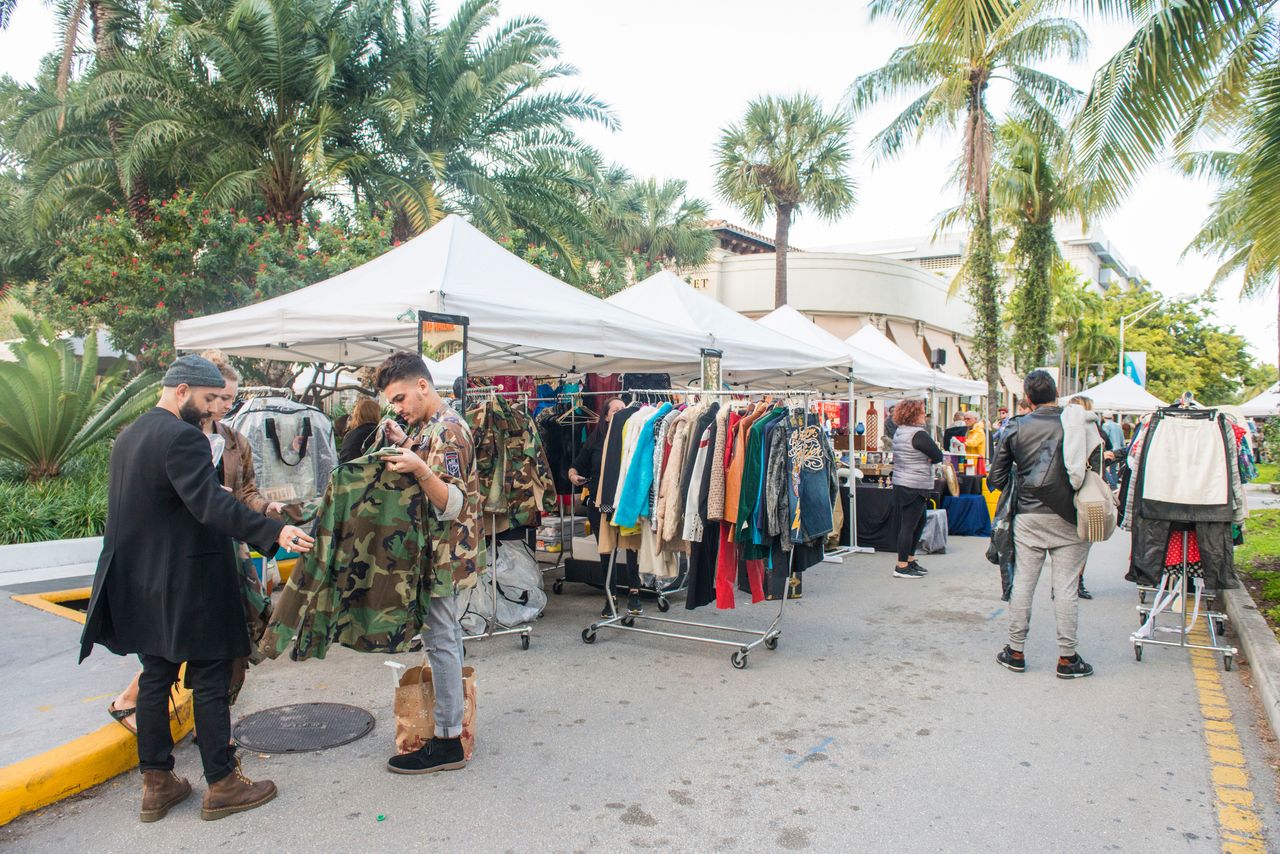
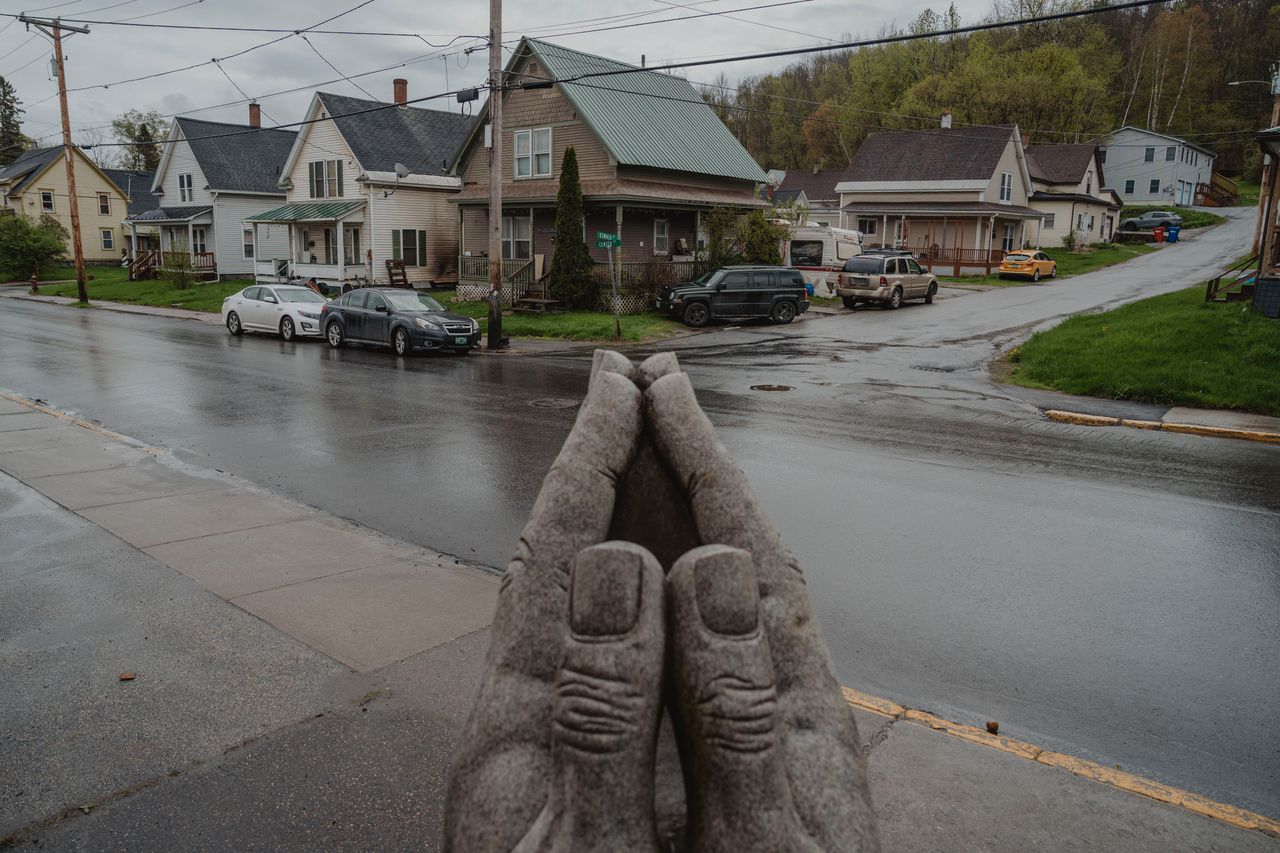
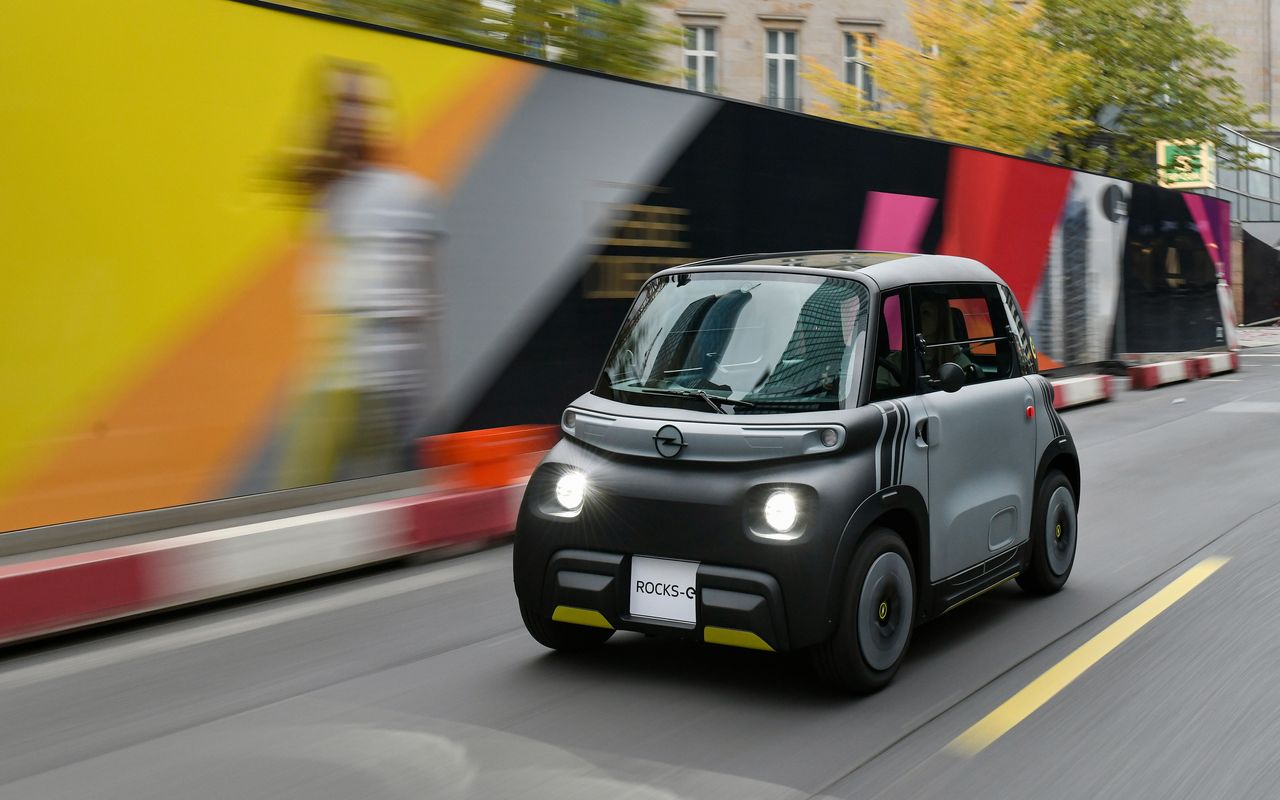
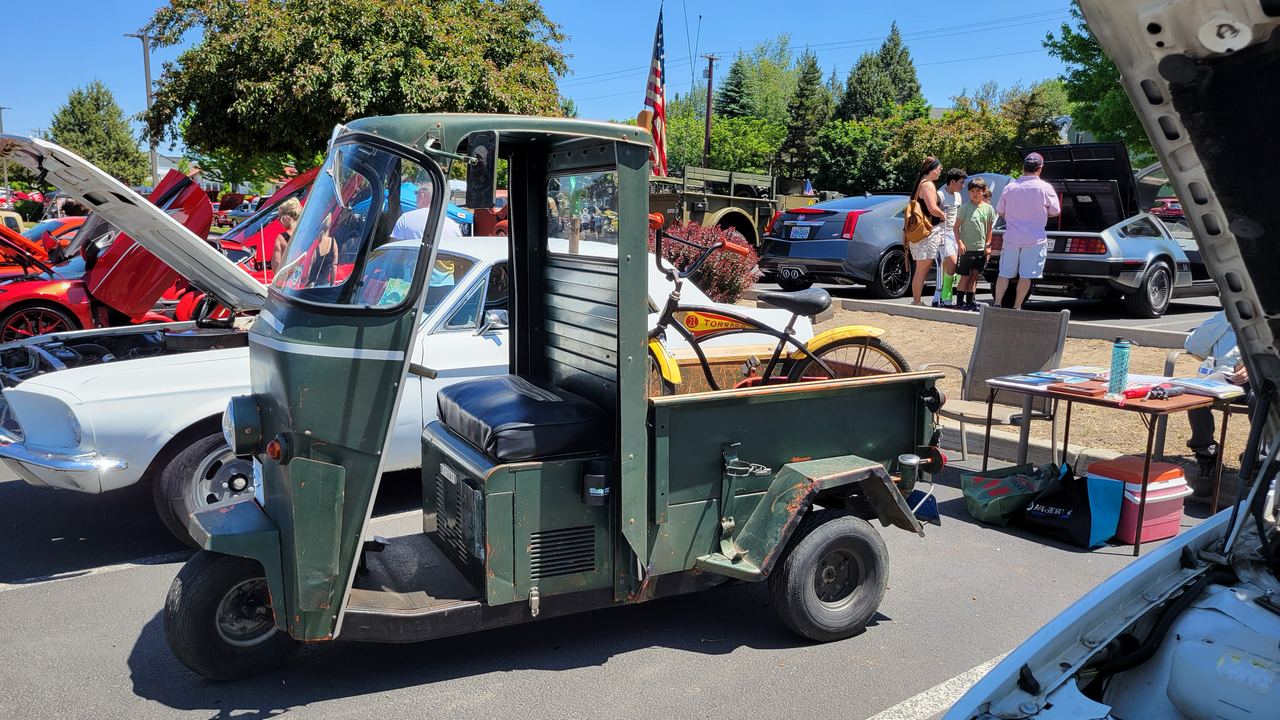
| | | | | Welcome. This week, pneumatic trash tubes and hummingbird beaks. But first, what new college grads can teach us about living well for less. | | People shop for clothes at an outdoor market in Miami's South Beach. (iStock) | | When I was younger, my living expenses and expectations were low. Housing was communal. My car was nonexistent. Food was shared. My furniture was used. I can afford more now (and did finally spring for a new couch). But I still rely on hacks I learned as a recent college graduate — and not just because they save money. My life is better because they connect me to my values while treading lighter on the planet. This spring, I spoke to dozens of students on university campuses to see how they were preparing to launch into the world. In some ways, their challenges are different from what my classmates and I faced. We left college amid the wreckage of the dot-com bust. But today's uncertainty feels existential. Artificial intelligence is taking entry-level jobs. Federal funding cuts have hollowed out government agencies and eliminated billions of dollars in research (and early career opportunities). Rent prices are at record highs, while consumer sentiment is near its lowest point in more than 50 years. One thing that hasn't changed, though: Living well for less can help you find your footing in an uncertain world. New graduates, as you leave school, you already have your PhD in this. Hold on to that expertise, because it can serve you well at any age. Some of us who are well beyond our college years may need to brush up from time to time. But new tools let you do it better than anything available when I was scouting the curbsides of Atlanta for living-room furniture. This week's column offers a quick roundup for everyone. Write me with your questions at climatecoach@washpost.com. I read all your emails. |  | Field Sample Axolotls possess a magical ability: The amphibian species regrows lost limbs and even tissue in the heart, lungs and brain. How they do this has been a mystery. Last week, a study published in the journal Nature Communications shed some light on the molecular machinations enabling this amazing trick. | | The research suggests retinoic acid tells cells precisely where to regrow a missing limb or tissue, like a GPS device locating you on a map. That may one day help humans, too. "Better understanding of gene regulatory circuit is essential if we have to re-create this in humans," said Prayag Murawala, an assistant professor at MDI Biological Laboratory in Maine. Read more about the marvelous axolotl. | Snapshot After a storm in July 2023 submerged Barre, Vermont, the federal government offered to buy out homeowners who wanted to leave at pre-storm market prices. Sixty-seven households jumped at the offer. But small towns like Barre can't afford to see that many people leave. Approving all the buyouts would have erased about $280,000 in property tax revenue for the town of 8,400. So local leaders are rejecting some applicants. | | Heavy rains caused widespread flooding in Barre, Vermont, back-to-back in 2023 and again on the same day in 2024. (John Tully/For The Washington Post) | | "For us, it's a real dilemma," said Nicolas Storellicastro, the city manager. "We can't stand to lose all this property." Read more about how extreme weather is threatening the existence of America's small towns. |  | The Second Degree Last week, I put electric minicars to the test. Some of you shared concerns over the lack of windows or doors. "How would a driver or passengers cope with a very hot or very cold day?" asked Cathleen. Luckily, many LSVs now come with cabins, and more are on their way. Poor infrastructure make LSVs a tough sell for some. Washington Post reader Zelda lives where getting downtown means driving on a freeway or fast roads above 40 mph. "I could drive it up and down my street but couldn't drive anywhere else," she wrote. But others are witnessing the rise in electric minicars. Deb, one of the 80,000 residents of The Villages in Florida, has seen a surge in popularity of minicars in the past year. In Europe, S.G. Kiser of Amsterdam says models such as the Stellantis Opel Rocks are everywhere. "You can see them, and alternatives like the Brio and other microcars, zipping along in traffic," Kiser wrote. | | The Opel Rocks minicar. (Stellantis) | | Viki sent this picture of her minicar: a 1964 Cushman Truckster that once served as a state park vehicle. It's now street-legal, licensed as a motorcycle. "Not an EV, not so great on gas," Viki wrote. "But isn't it cute?" What inventive wheels are you driving? Send photos to climatecoach@washpost.com | | Was this email forwarded to you? Sign up here to get The Climate Coach in your inbox every Tuesday. See you next Tuesday, Michael Coren, Climate Coach | | |








No comments:
Post a Comment