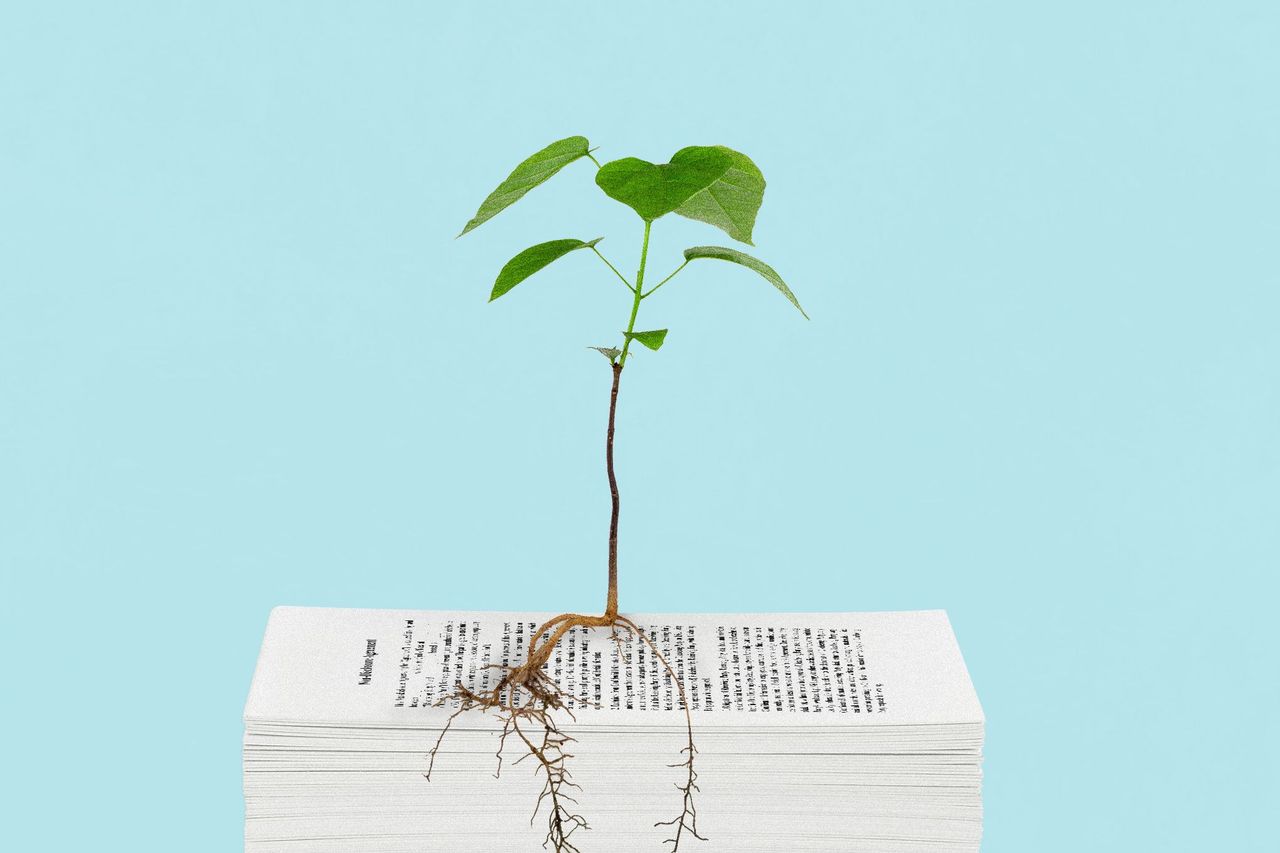
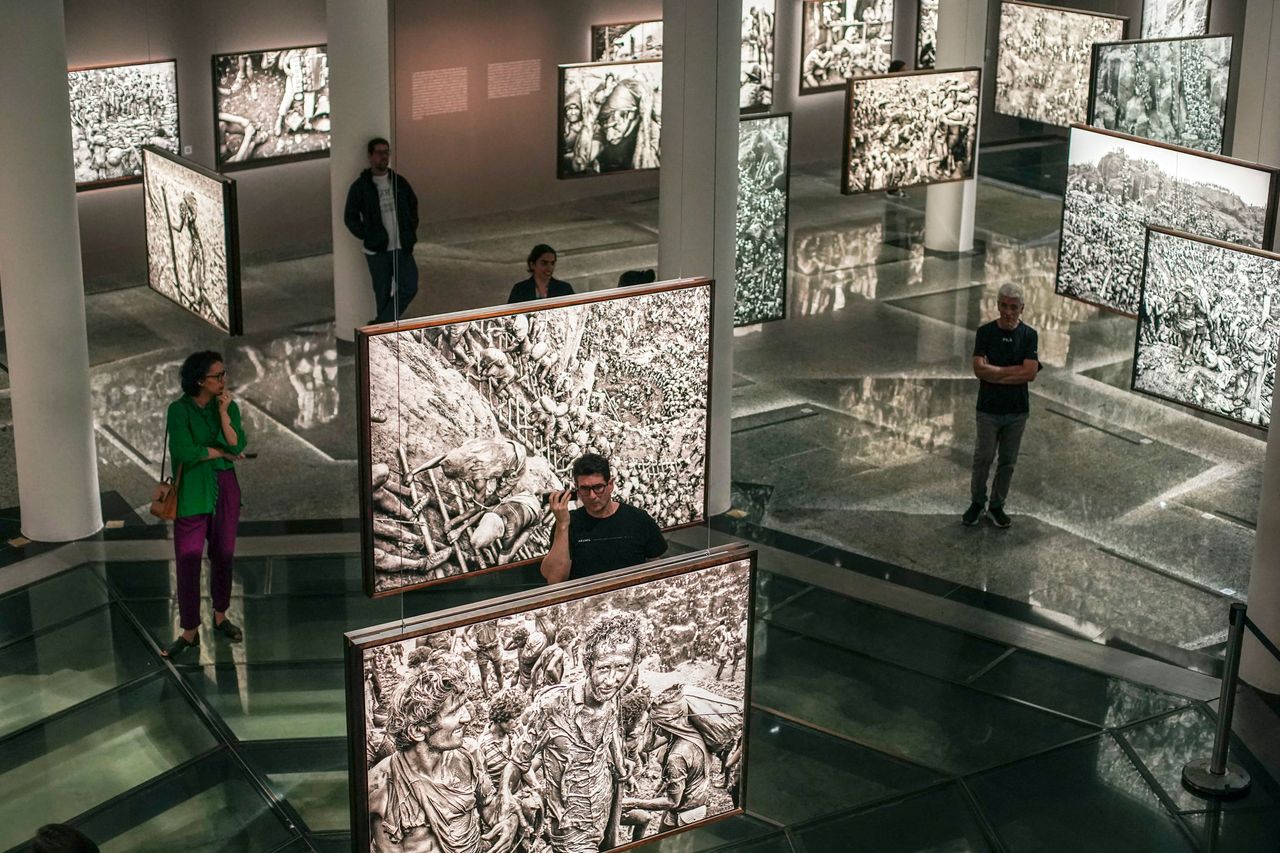
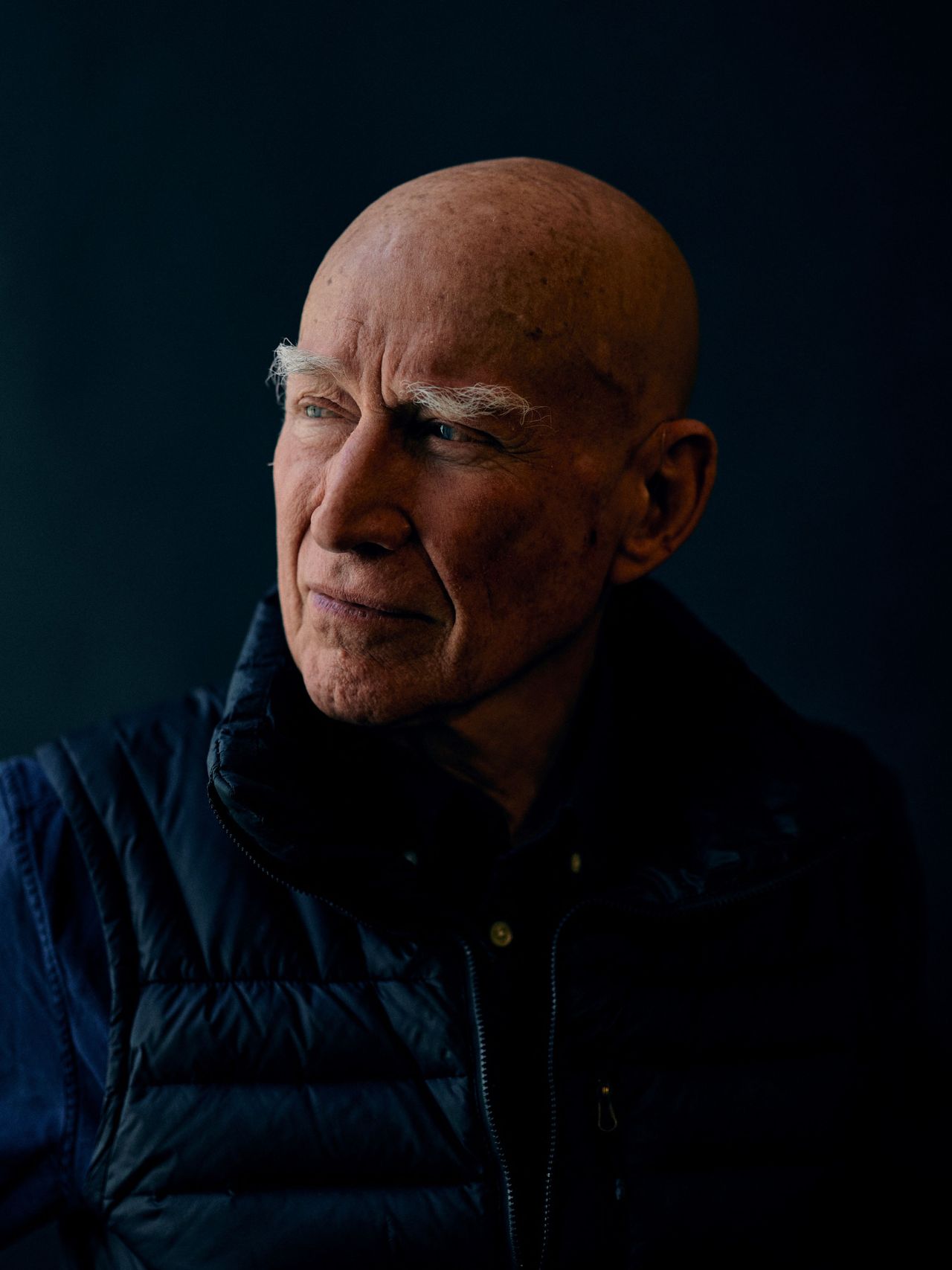
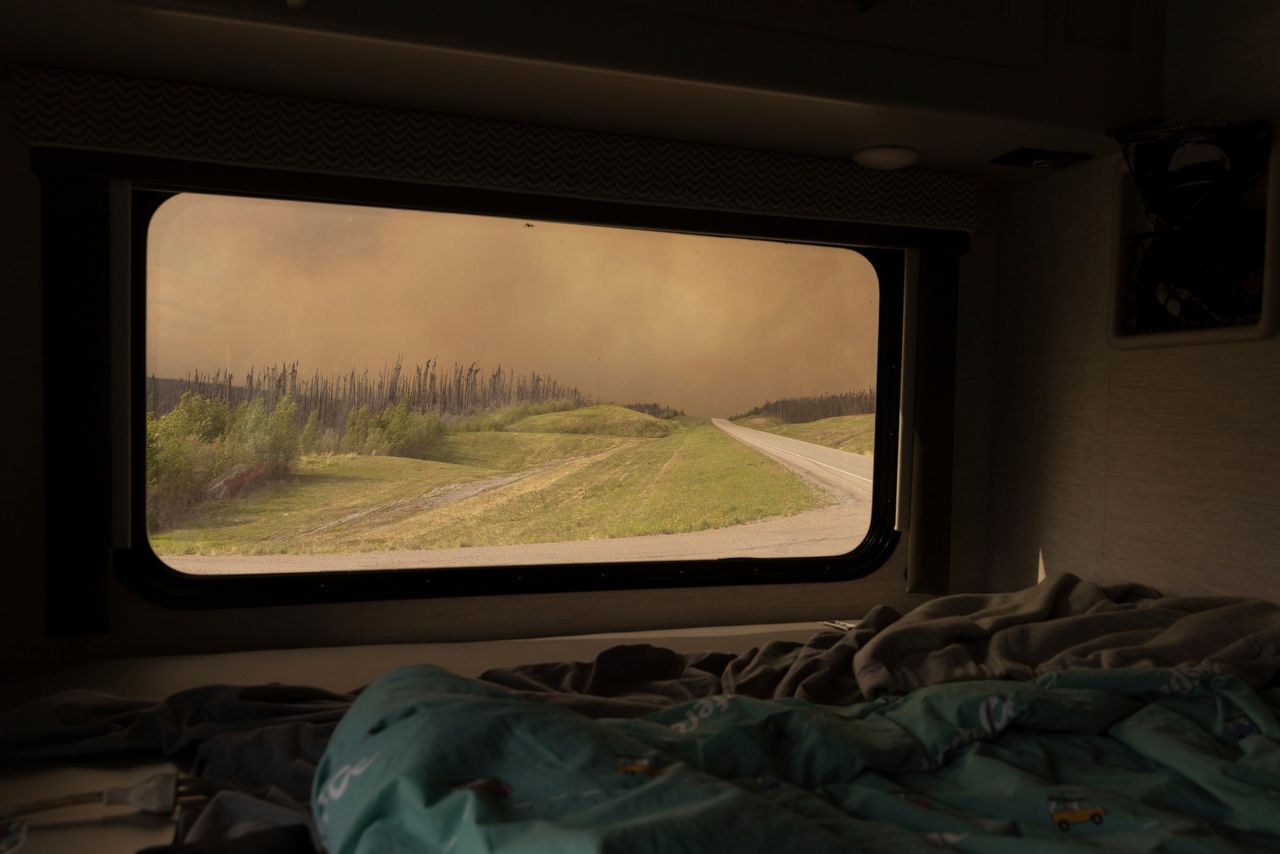
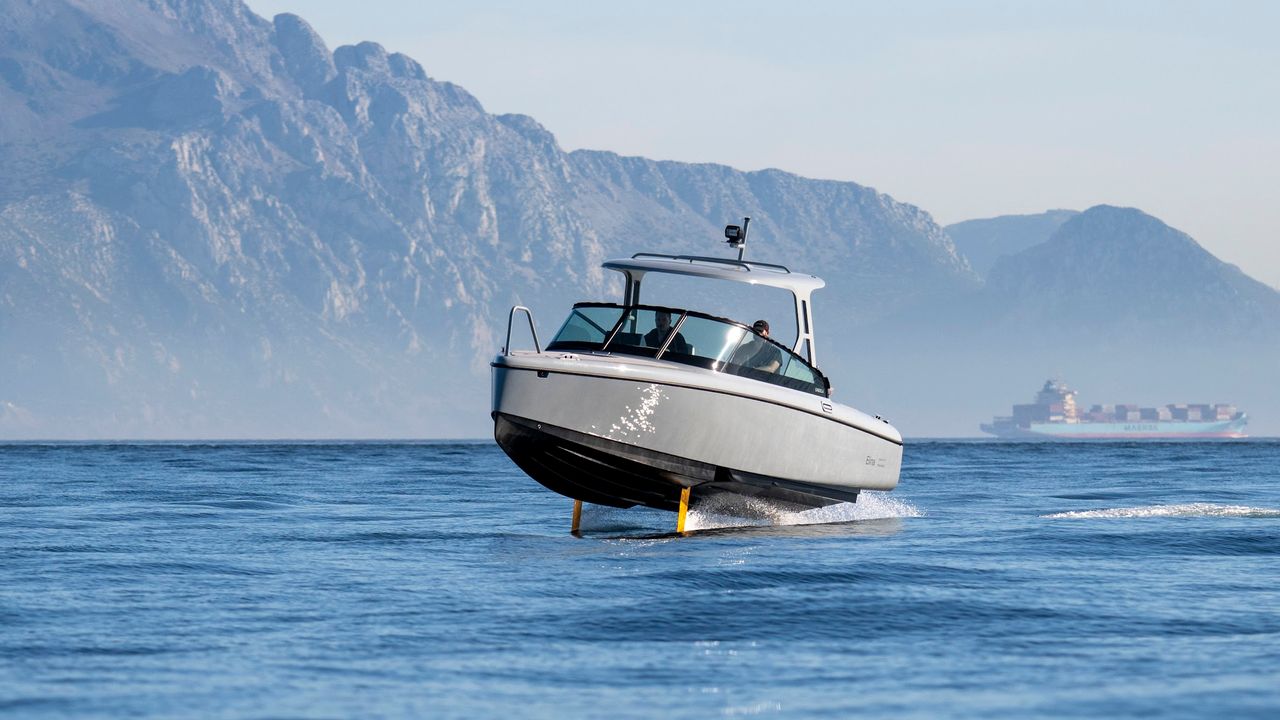
| | | | | (Illustration by Anna Lefkowitz/The Washington Post; iStock) | | Welcome. This week, Norway gets over EV range anxiety and a family farm becomes an "agrihood" in Arizona. But first, where there's a will, there's a way to achieve "symbolic immortality." |  | | I know the secret to living forever. Not physical immortality, of course. We're all compost in the end. But no matter how much or how little you have, your last testament can be a way of achieving what Russell James, a leading charitable planning scholar at Texas Tech University, calls "symbolic immortality," the idea that part of us lives on after death. More than half of Americans, however, don't have a will. I held off for years for the same reason you probably don't have one: It's a huge drag. Feelings about mortality aside, I was reluctant to spend time and thousands of dollars on lawyers to draft a document that I (hopefully) won't need for many decades. But also, dying without writing down your directives is a bad idea. Even for simple estates, it can lead to expensive, lengthy and public probate-court proceedings that drain assets you leave behind. Worse, legal fights can tear families apart. So I explored an emerging option: Online tools that help you draw up a testament in under an hour. Choose your beneficiaries, get signatures from witnesses or a notary, and you've got a document that's legally binding in all 50 states and the District of Columbia. It may make you rethink how you could reshape the Earth once you're no longer on it. Several digital platforms offer similar services — acting like TurboTax for your testament. What I liked about the one I used, FreeWill, is that it asks users to leave a gift to a charity of their choice. That helps address the fact that less than 6 percent of Americans give money to charities in their wills. It's not about resources, James said. People aren't more generous because they are never asked to give. I appreciated a chance to think beyond how to provide for my family after I'm gone and who gets how much stuff. (Enjoy those baseball cards, Sis.) As you might guess, climate and the environment featured prominently in my planning. But the process forced me to think more concretely about how I might want my values etched on the world — and how I want to give while I'm alive. James has scanned people's brains in an MRI machine as they considered charitable bequests. The areas that lit up in functional magnetic resonance imaging were many of the same ones activated as people relived memories of their past while looking at photos. Legacy giving, he suggests, is analogous to "visualizing the final chapter of one's autobiography." You don't have to be wealthy to do this. Small donations are the lifeblood of nonprofits and community foundations, and even the most modest investments can grow over time. It takes less than an hour to leave a lasting legacy. What's on your mind? Write me at climatecoach@washpost.com. I read all your emails. |  | Field Sample Sebastião Salgado, a celebrated Brazilian photographer who captured the beauty and destruction of the natural world, died May 23. He was 81. His powerful black-and-white images helped define the struggles of laborers and refugees around the world, as well as the decimation, and potential salvation, of places like the Amazon. | | An exhibition of "Gold: Serra Pelada" from the late Brazilian photographer Sebastião Salgado. (Diego Nigro/AFP/Getty Images) | | In 1998, confronted with the destruction of his country's forests, he founded Instituto Terra, a reforestation initiative, with his wife, Lélia, on their family farm. The successful effort to replant the endangered Atlantic rainforest now serves as a model for ecological restoration. Read more at Mongabay. | | Salgado on April 18. (Benjamin Cremel/AFP/Getty Images) | Learning Curve It's fire season again (it almost always feels like that here in California). As wildfire smoke sweeps across the East Coast, here are some tips to protect yourself. | | Wildfire smoke hangs in the air in British Columbia on Friday. (Nasuna Stuart-Ulin/The Canadian Press/AP) | - The Environmental Protection Agency's AirNow.gov rates air quality and whether it's safe to spend time outside (There's also an app for that).
- Wear masks with words "NIOSH" and either "N95" or "P100" on them. Use two straps that go above and below your ears to ensure a tight seal.
- Stay indoors using a portable air purifier or an HVAC filter with a MERV rating of 13 or higher.
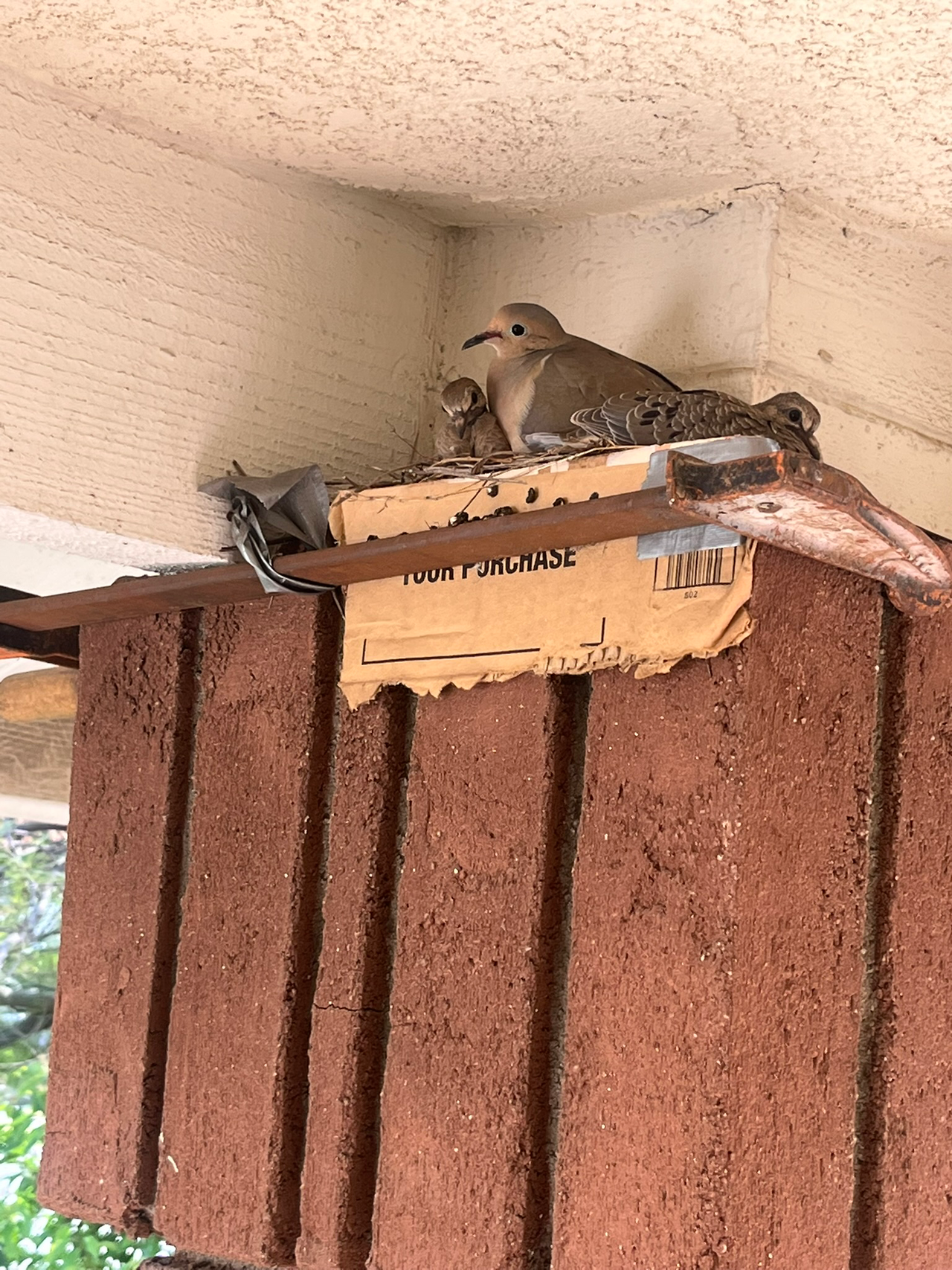
Find more advice here. | Snapshot Boats and ships powered by batteries are making waves around the world. Electric propulsion is now powering ferries in Seattle and Stockholm, as well as Swedish boatbuilder Candela's 24-nautical-mile crossing from Spain to North Africa. The company says it's the first intercontinental journey by an electric vessel. | | Candela's hydrofoiling boat crossed the Strait of Gibraltar on Wednesday using $9 worth of electricity, according to the company. (Candela) | | Most rely on hydrofoils — a decades-old technology — that act like underwater wings, combined with new lightweight composites and stabilizing software. These designs can be 80 percent more efficient than conventional hulls. For now, these boats are pricey and can't venture too far from shore, but the technology is evolving rapidly. |  | The Second Degree After my column about turning your water heater into a battery, many of you wrote about breaking up with your gas utility. Ken Peterson and Paulette Lynch of Monterey, California, replaced their furnace and water heater with heat pumps powered in part by solar panels and two batteries. "PG&E took out our gas meter when I told the site inspector who visited our house that we no longer have any natural gas appliances," they wrote. Judy Owens of Bloomington, Indiana, had a gas-powered furnace, water heater and stove. Thanks to $10,000 in tax credits, the premium to electrify all her appliances was just $5,000. "I now have a super efficient geothermal heat pump, a new electric panel, an induction stove, 2 water heater tanks (1 gathers excess heat from the heat pump and holds it to make life easy on the second one)," she wrote. "All electric." Her 100-year-old house now saves money and is comfortable year round. "The path I took wouldn't make sense to a lot of people," she added. "I spent more than I had to. I chose a relatively uncommon technology. But I modeled to my adult children that it is possible to make earth-friendly choices, to live abundantly with minimal guilt, to keep pushing for solutions when folks around us are looking for easy compromises, and to identify what's important and prioritize according to our own values. I'm feeling pretty good about it!" |  | On the Climate Front From The Post: The Colorado River is running low. Underground, it's even worse. BLM ousts official who reportedly resisted DOGE and a national park superintendent resigns as staffing plunges. Most new cars in Norway are EVs. How a freezing country beat range anxiety. Trump takes aims at the one climate solution Republicans love. From elsewhere: The recipe for Agritopia, according to the AP: A little bit of farm, a little bit of suburbia. New York wins fight against the federal government over congestion funding, reports Bloomberg. The E.U. is within 1 percent of reaching its 2030 climate goal, says Reuters. | | Mary Moore of Redlands, California, sent this photo of mourning dove hatchlings nesting on her front porch for the third year. What does spring look like in your yard? Send photos to climatecoach@washpost.com. | | Was this email forwarded to you? Sign up for The Climate Coach in your inbox every Tuesday. See you next Tuesday, Michael Coren, Climate Coach | | |







No comments:
Post a Comment