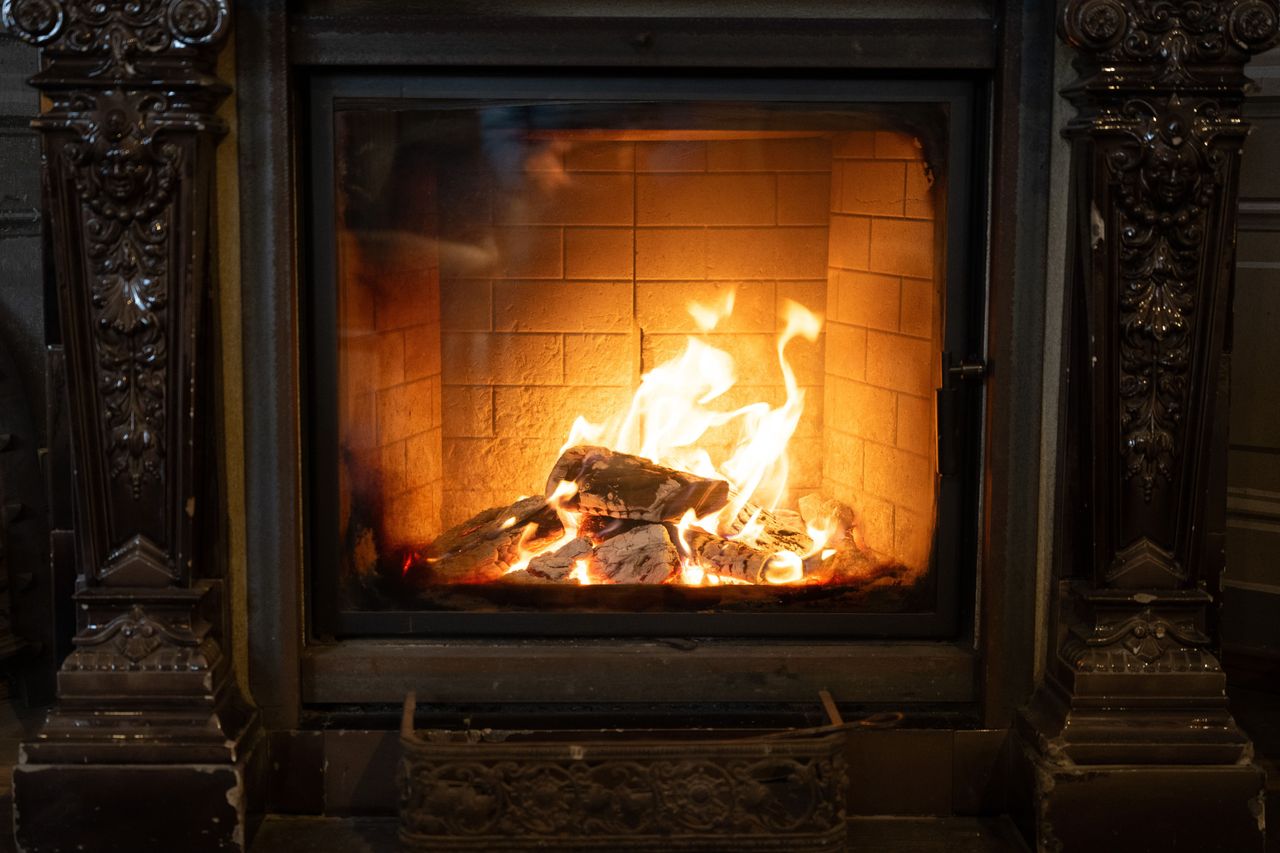
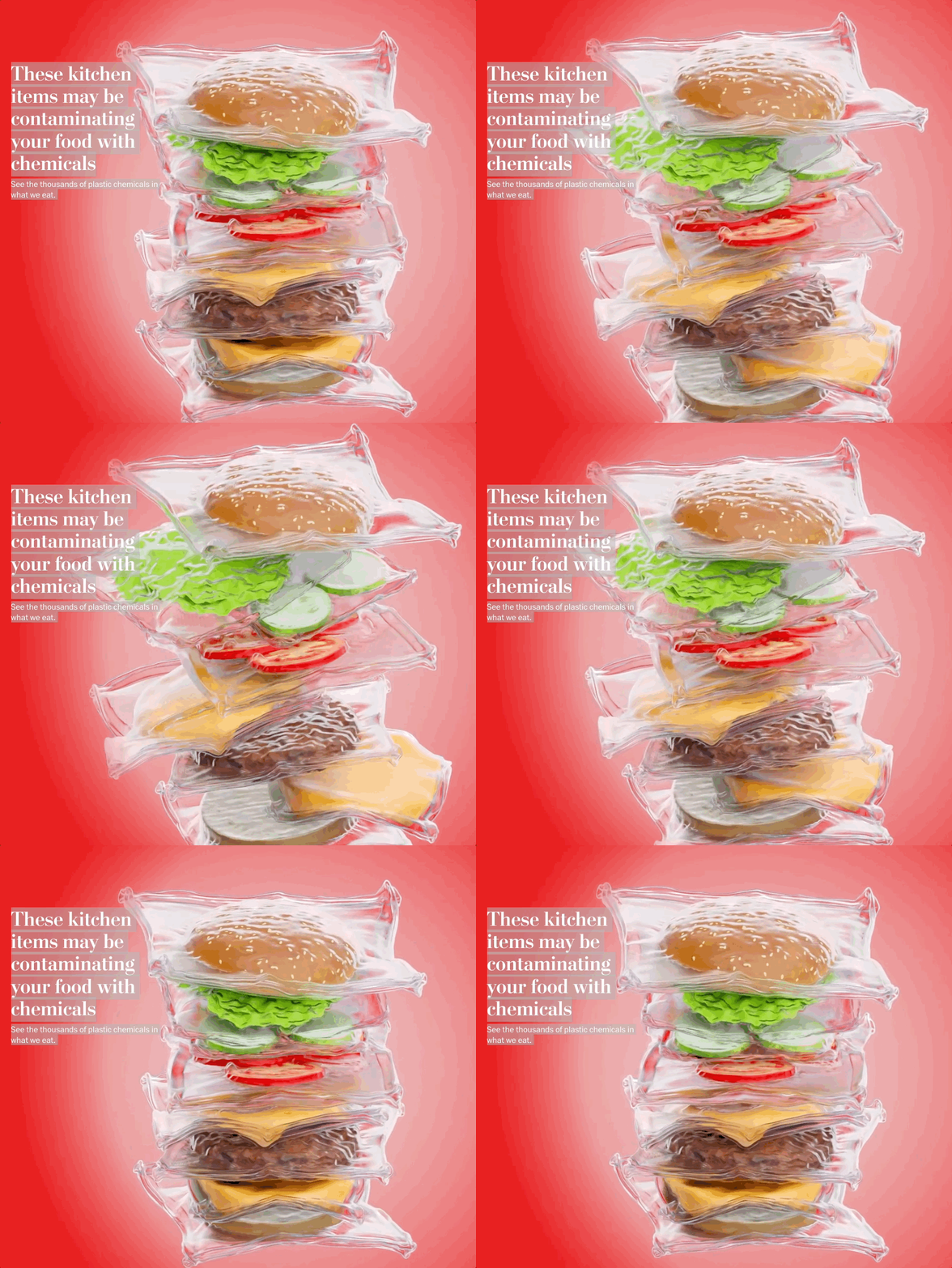
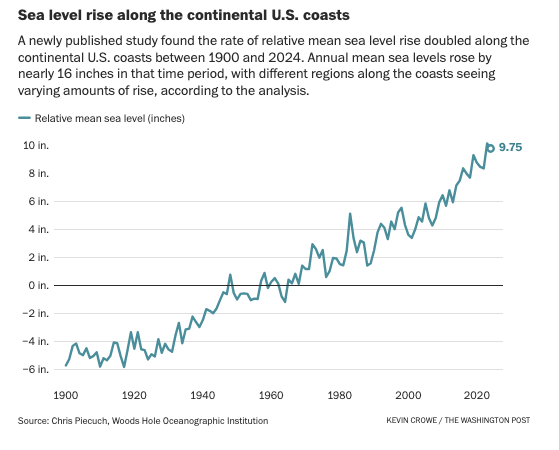
| | | | | (Sebastian Kahnert/picture alliance via Getty Images) | | In 50 years, my father-in-law has never run out of wood. Since building a wood-heated cabin in Maine in the early 1970s, he has started each summer collecting balsam, birch and maples that fell or died over the winter. That's kept the wood pile stacked and the cold at bay. Many fireplace lovers — myself once included — assume burning wood to stay warm and cozy is a climate win: trees regrow, suck carbon dioxide out of the atmosphere and keep fossil fuels in the ground if forests are managed responsibly. My father-in-law's forest in Maine is as vigorous as always. But my intuition was wrong, according to hundreds of scientists who have examined the question. Thanks to the physics of combustion, wood emits 2.5 times as much CO₂ than natural gas and 30 percent more than coal when burned for heat, except in a few narrow circumstances. When it comes to nasty particulates lodging in our lungs and organs, it's far worse than any fossil fuel. That doesn't mean we should extinguish fireside nights. After all, fireplaces emit a tiny, tiny fraction of total emissions. But we can dramatically improve what we burn and where we source it. Read this week's column on how to burn better. Any tips on a good winter fire? Write me at climatecoach@washpost.com. I read all your emails. |  | Field Sample Bite into a cheeseburger, and you're eating more than bun, lettuce, tomato, cheese and meat. You're consuming a blend of chemicals — PFAS, phthalates, BPA and flame retardants — that has made its way from packaging, utensils and the environment into your food. All are linked to plastic. | | A Washington Post analysis shows how 5,400 chemicals considered hazardous to human health are entering our everyday lives, disrupting immune systems, hormones and even boosting cancer cells. Read about how these chemicals get into our kitchens and bodies — and what to avoid. | Learning Curve Over the past 125 years, the rate of sea-level rise along U.S. coastlines has more than doubled, according to a new analysis of 70 tide gauges around the country. | | That clashes with the Trump administration's climate science report — a report that was criticized by scientists for its errors, misrepresentations and "vibes-based assessment" of sea-level rise. "It's not politics," said the new study's author. "That's what the data say." Read about what the latest science says about what's unfolding along the nation's coastlines. | Snapshot Climate change, and particularly surging moisture in the skies above, has made New York City subway stations more prone to flooding. Over the past two decades, at least 200 of the city's 472 stations have flooded, as the frequency of very heavy rainfall events has soared. Yet public transit is also crucial for the fight against rising temperatures, officials say, because it means riders aren't using cars or trucks that spew planet-warming pollution. | 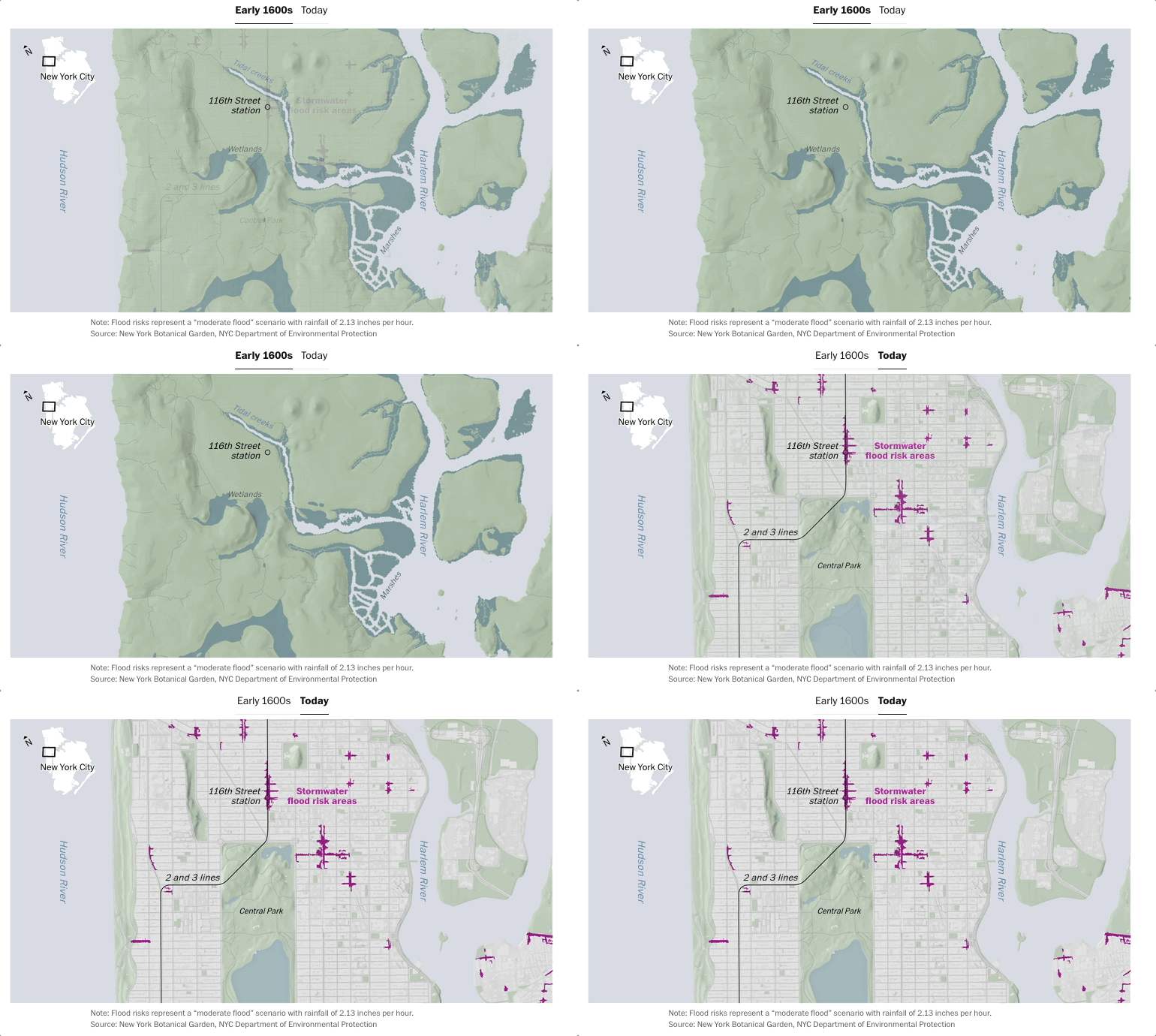 |  | The Second Degree More than 100 scientists told me about the kids' books that inspired their careers. Readers shared more suggestions after last week's column. Sydney Cameron, a professor emerita at the University of Illinois Urbana-Champaign, recalled how "The Wind in the Willows," 'Winnie-the-Pooh' and Beatrix Potter's books revealed to her a world of unspoiled woods, meadows and streams. That inspired her to become one of the few female entomologists in her generation. "I still relate to those books today, perhaps even more so!" she wrote Natalie, a retired elementary school librarian, said "Rascal: A Memoir of A Better Era" by Sterling North, about raising a wild raccoon in the Wisconsin woods, provoked tough questions from her 10-year-old students: "It gave us a chance to talk about animals in the wild and how we need to preserve their freedom and habitats." A few more reader favorites: - "The Sign of the Seahorse" by Graeme Base
- "The Rainbow Fish" by Marcus Pfister
- "Microbe Hunters" by Paul de Kruif
- "A Brief History of Time" by Steven Hawking
- "Mr. Wizard's Science Secrets" by Don Herbert
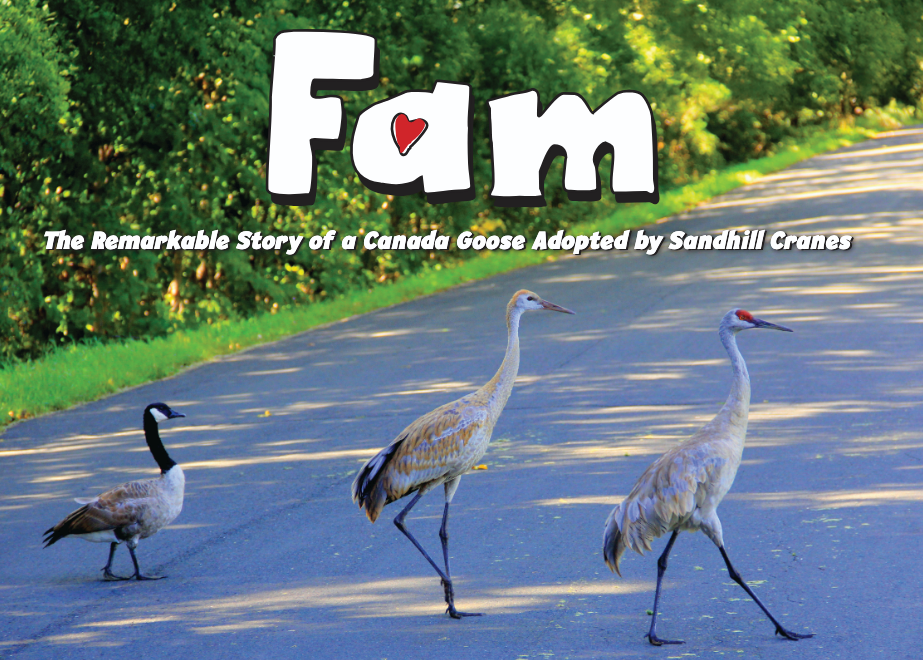
|  | On the Climate Front From The Post: The source of your fish may affect how much 'forever chemicals' you eat. Trump's social media company is merging with a fusion power firm. Trump plans to dismantle the 'global mother ship' of climate forecasting. The Interior Department moves to halt five offshore wind projects. From elsewhere: Tuvalu's first climate migrants reach Australia (Euronews) California's planet-warming pollution fell by 3 percent in 2023 (KQED) Texas welcomes Japan's tiny nuclear reactors (Heatmap) An Oregon cattle ranch added solar without losing grazing land (Electrek) |  | | Martha Harding grew up on an Iowa farm with parents "hell-bent on making sure we knew everything about the animals and plants and birds that were all around us." She recalls them reading her books like Rudyard Kipling's Just So Stories. "It was perfect for my incessant curiosity," she wrote. This year, Harding and her husband, Gary Noren, came full circle by publishing their own children's book: a true story about an orphaned young goose adopted by a sandhill crane family growing up on the shores of Green Lake. | | |






No comments:
Post a Comment