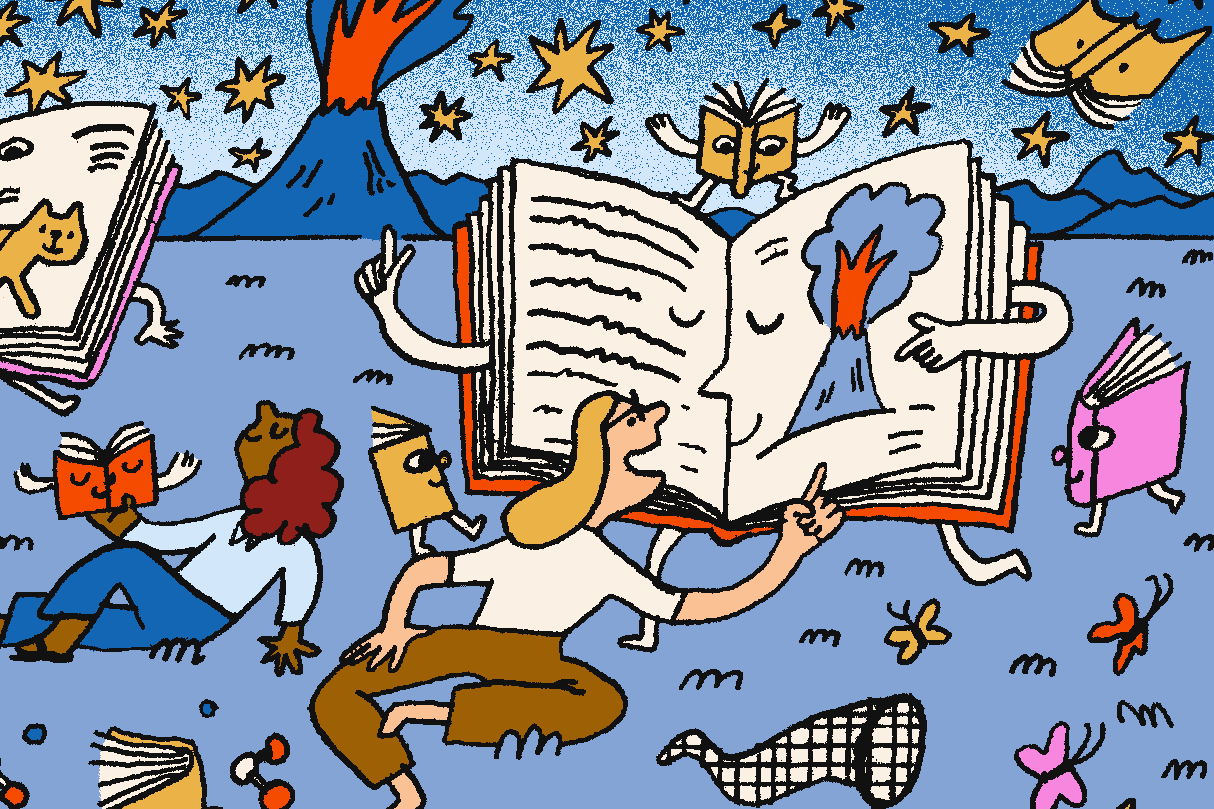
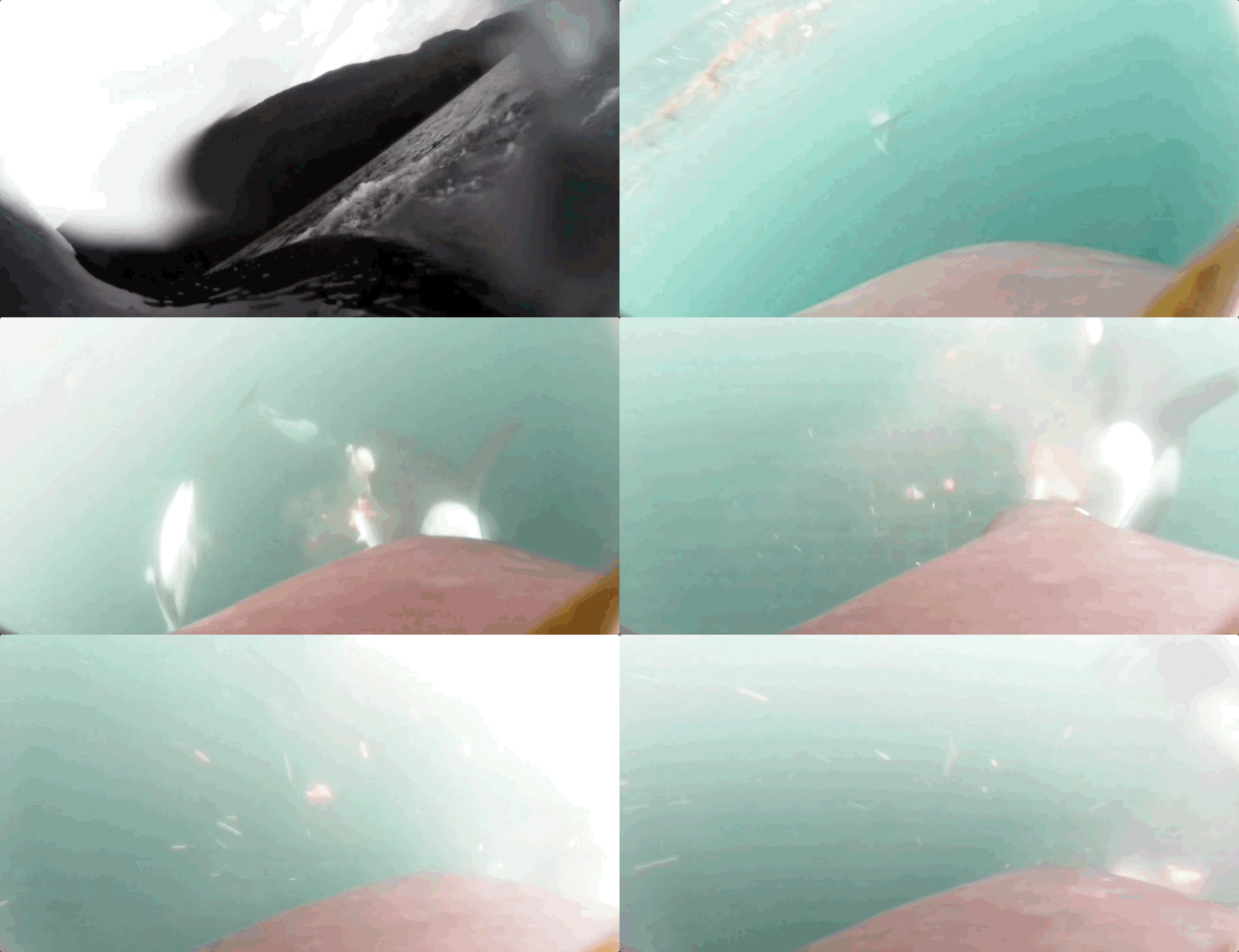
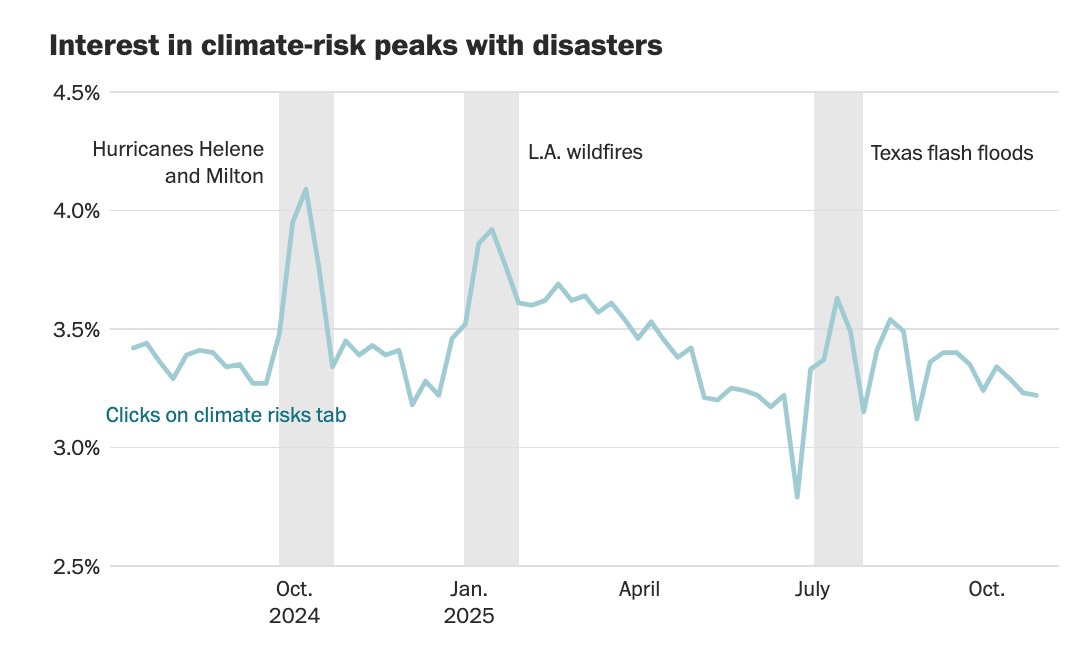
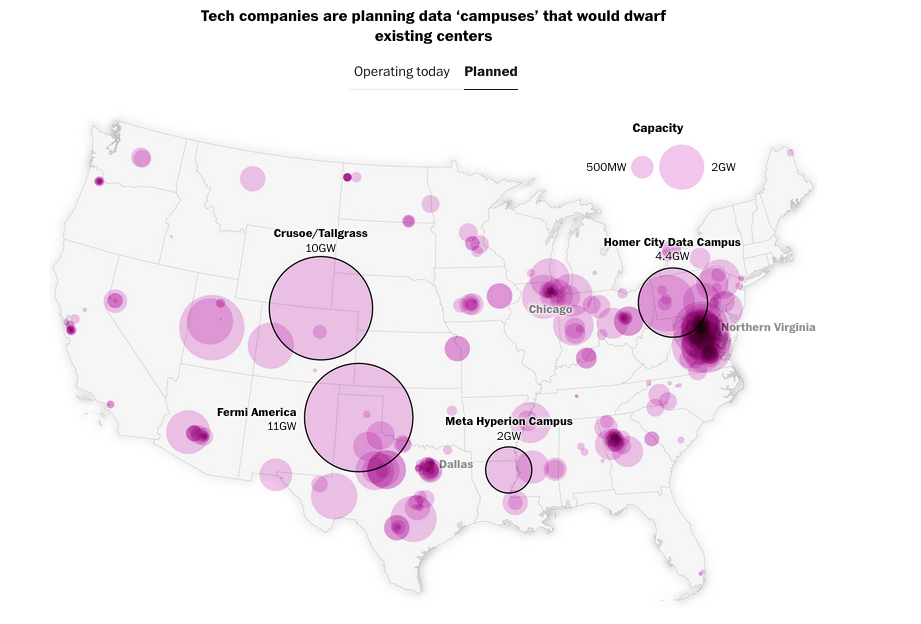
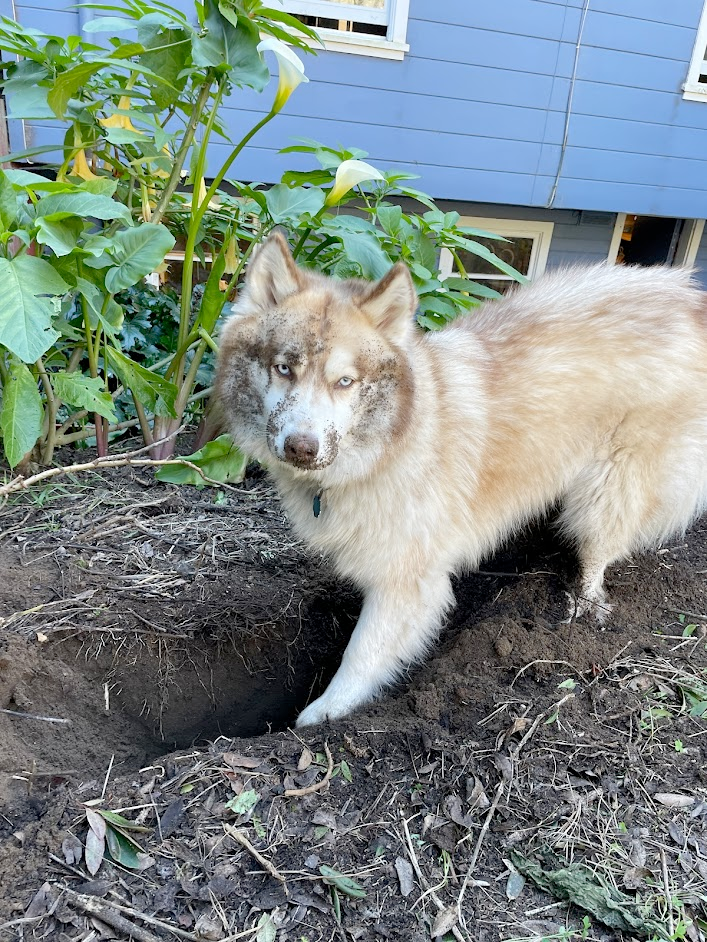
| | | | | Welcome. This week, orcas and dolphins team up, and The Post investigates flooding in one of the driest places in the world. But first, more than 100 scientists told me what kids' books inspired their careers. | | Illustration by Janik Söllner/For The Washington Post | | When my children were born, I decided to build them a library. It's no Alexandria. Just a few white bookcases packed with tattered books. But it contains a multiverse of possible futures for my kids. Each night, as we pull a book off the shelf, a new world appears on the horizon of their consciousness. We've accompanied Little Crab (many, many times) as she takes her first tentative steps from the tide pool into the deep blue ocean. The Giving Tree gives herself again and again to a little boy and, later, to the old man who once played in her boughs. (We're still debating if this is a sad or happy book.) We've roared our terrible roars and showed our terrible claws with the Wild Things. All these delightful hours in an overstuffed chair, I suspect, will shape who my children become. My childhood books certainly transformed me. And so I got to wondering what books might inspire the next generation to care passionately about the natural world — perhaps even make a career out of it. One of the great privileges of this column is the ability to pose such questions to people at the top of their fields. More than 100 scientists and conservationists responded when I asked what books inspired them and which might ignite the spark in others. Read this week's column to see what some of those scientists had to say about their favorite books from growing up. What books inspired you? Write me at climatecoach@washpost.com. I read all your emails. |  | | University of British Columbia (A.Trites), Dalhousie University (S. Fortune), Hakai Institute (K. Holmes), Leibniz Institute for Zoo and Wildlife Research (X. Cheng) | | Published on Thursday in the journal Scientific Reports, it's the first time scientists have confirmed what appears to be a cooperative relationship between the two predators. Dolphins act as "scouts" in pursuit of salmon schools, while the orcas catch the prey, allowing the dolphins to scavenge the leftovers. Watch and read about the teamwork in action. | Learning Curve If you want people to pay attention to climate risk, wait for a natural disaster. New research from the real estate platform Redfin shows people are more likely to click on a property's climate risk assessments immediately after disasters like the Los Angeles fires or major hurricanes. But within months or weeks, interest falls back to pre-disaster averages. | Snapshot Homer City is a colossal artificial intelligence data center campus rising outside Philadelphia. When the supersized data center is completed, it is expected to consume electricity equivalent to the homes of the metro area's 5.7 million people. | | By 2030, such massive "data campuses" could be common, consuming enough electricity to power nearly 16 Chicagos. Many will be powered by burning huge amounts of planet-warming natural gas. "We'll be shipping more gas than we ever thought," said Arshad Mansoor, president and CEO of the nonprofit Electric Power Research Institute. "We are even unretiring coal." Read about the explosions of new data centers in the United States. |  | The Second Degree Last week, I wrote about solar roofs. Are they worth the price? Many of you asked: Does insurance cover them? Yes. As part of your roof, they're covered from the usual perils: hail, wind, fire and fallen trees. But you need to confirm with your policy, and see if any limits or exceptions apply. Some were skeptical that such a high cost or long payback period (12 to 20 years) could ever be justified. One reader who installed GAF solar shingles on their Houston townhouse last year and now pays about $4.50 a month for the electricity, said it was the "best decision we ever made." "We did not go solar to save money on our electricity bills," they wrote. "Rather, we did it for the safety net that sustains us during those vexatious power outages." |  |  | | Each winter, I try to get my garden started. Plenty of seeds, especially perennials and natives, benefit from "winter sowing," which involves placing seeds in the ground so the cold naturally stratifies them. Once they break dormancy in the spring, the seedlings that do sprout are tough and resilient. Below is my dog, Miska, lending a dirty paw in the garden. Send me photos of your winter garden. I'm at climatecoach@washpost.com. | | Was this email forwarded to you? Sign up here to get The Climate Coach in your inbox every Tuesday. See you next Tuesday, Michael Coren, Climate Coach | | |






No comments:
Post a Comment