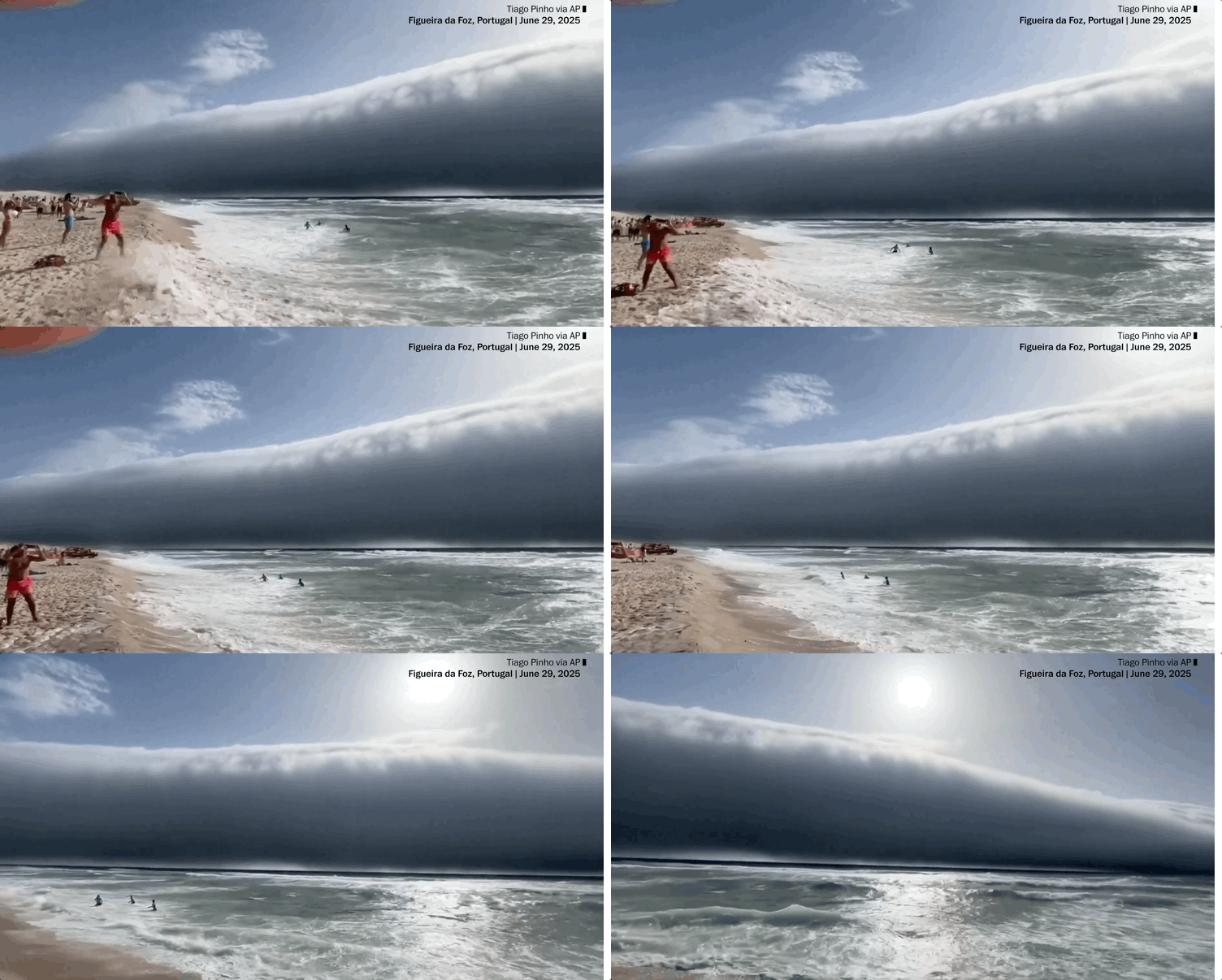
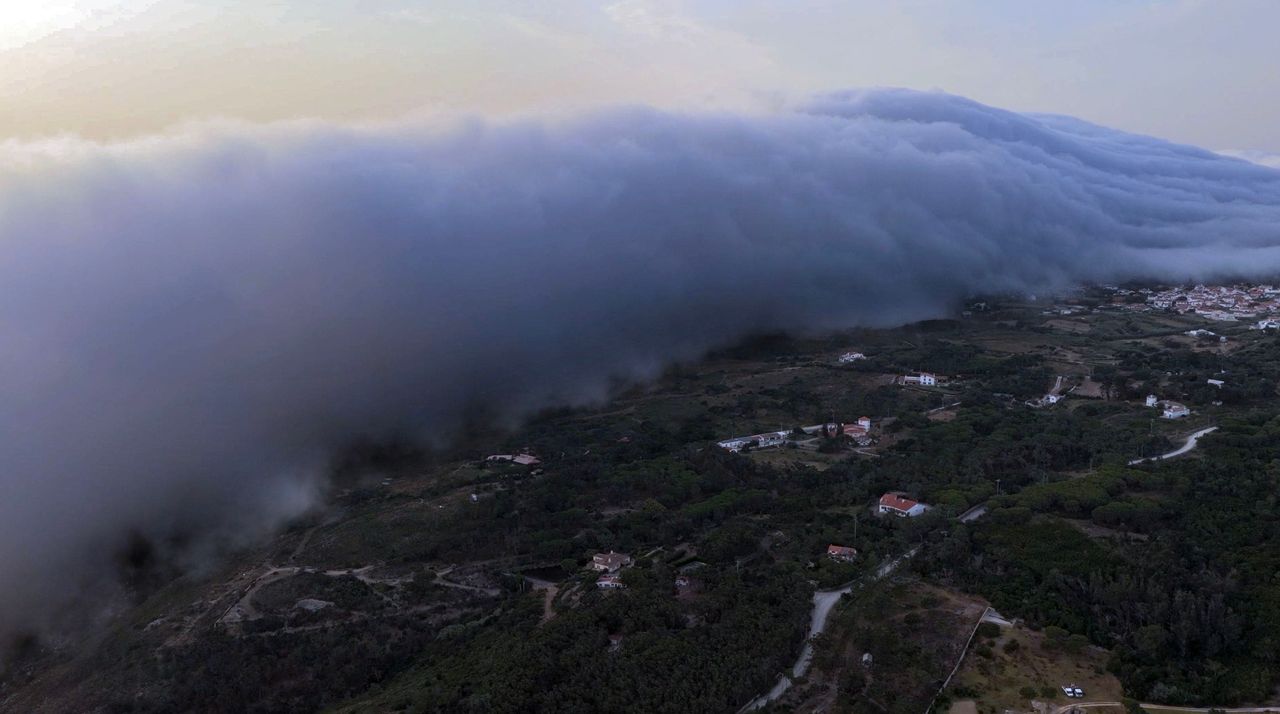
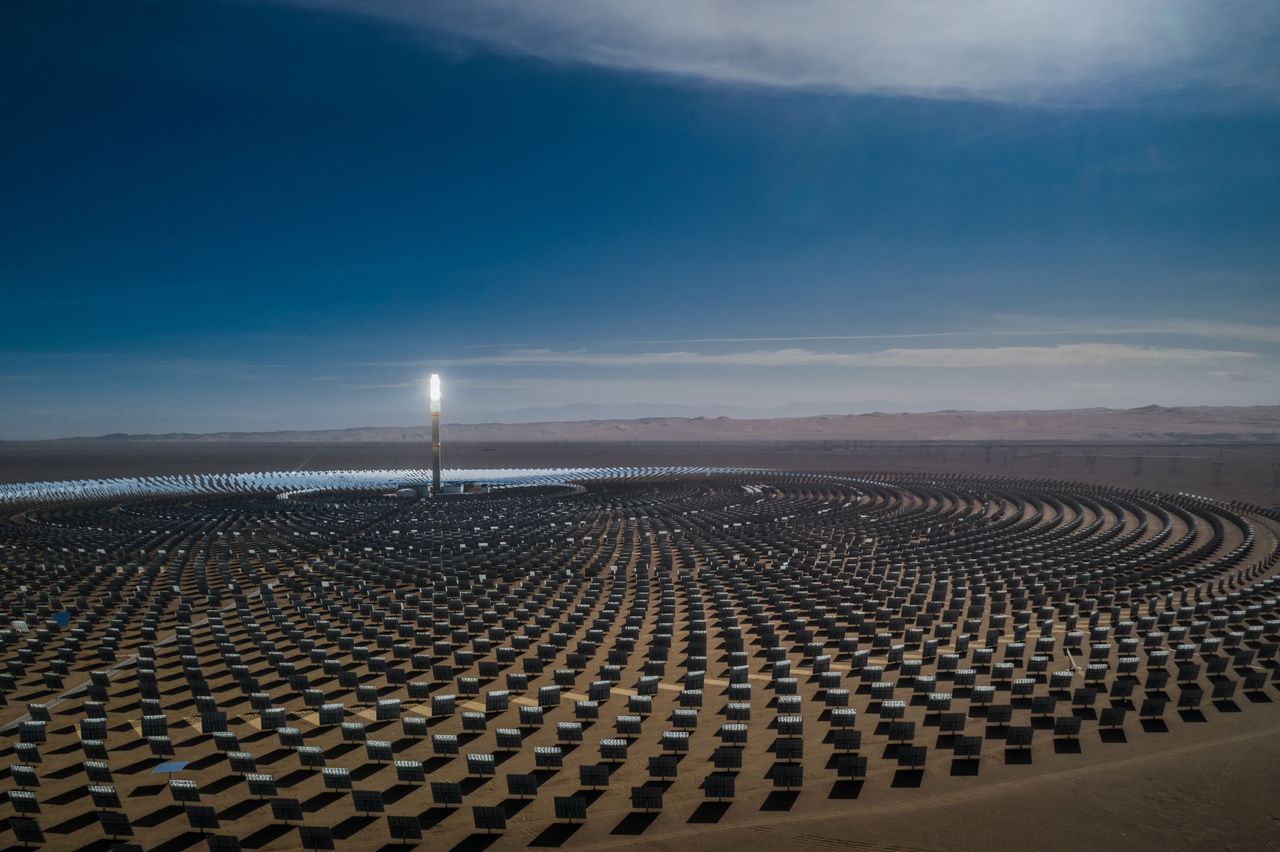
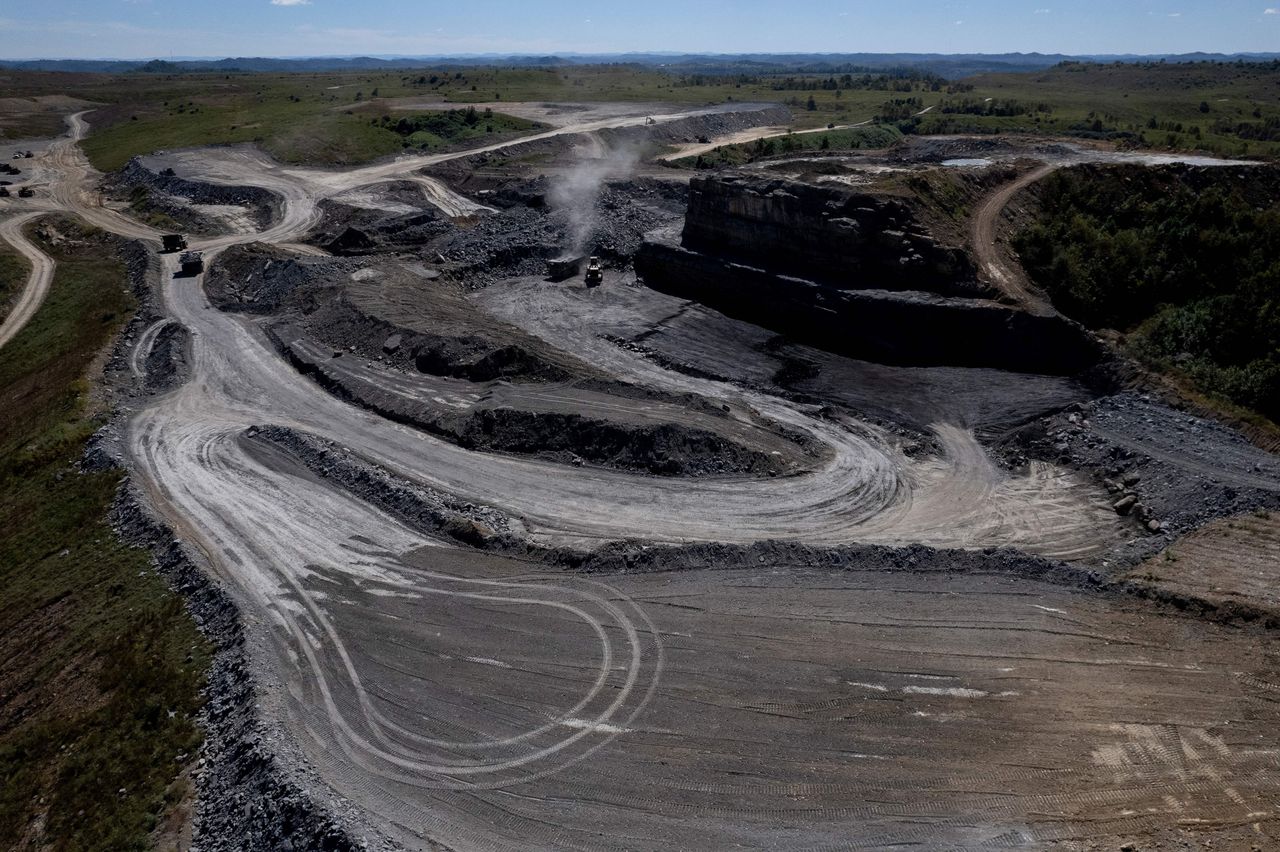
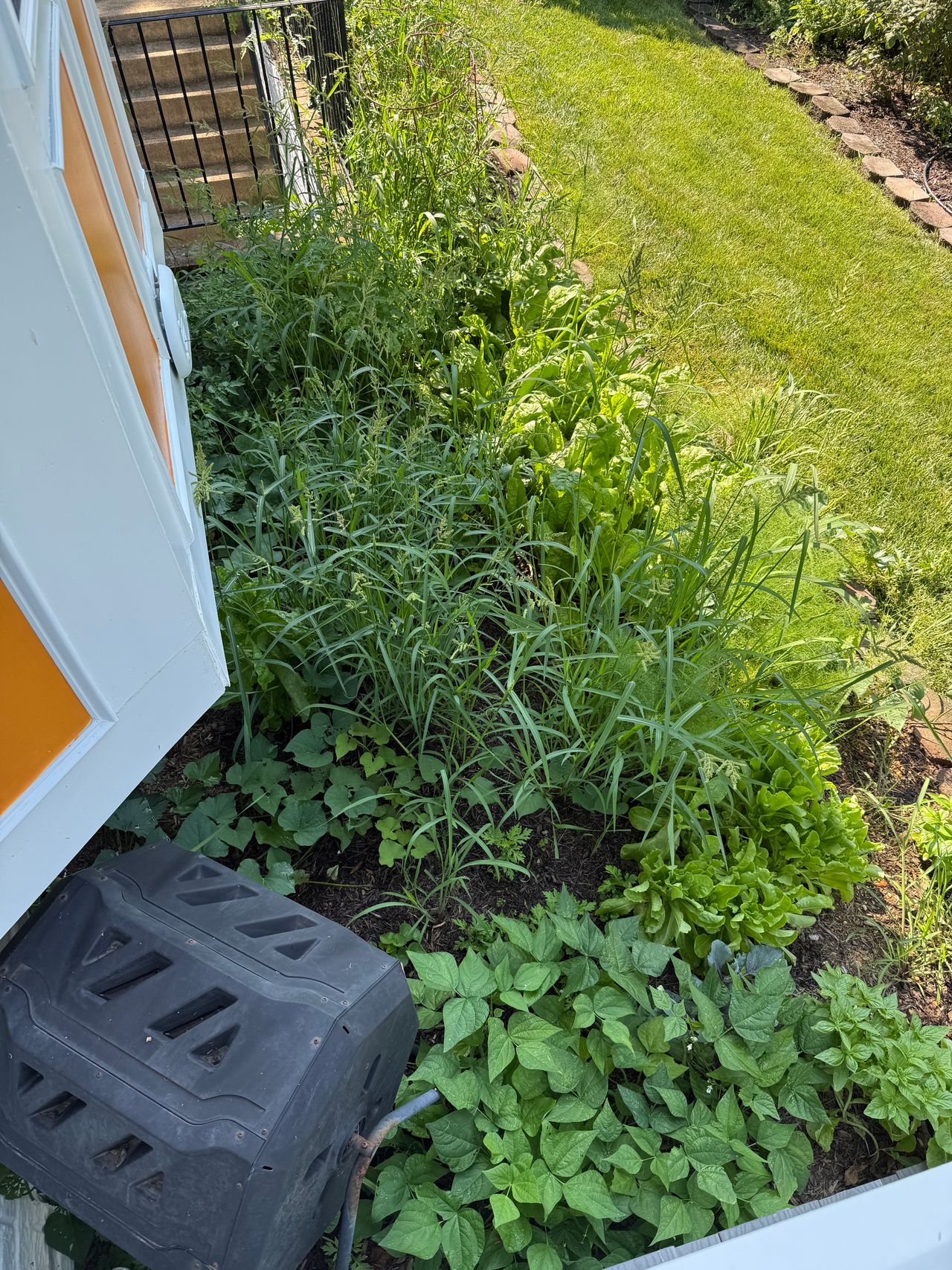
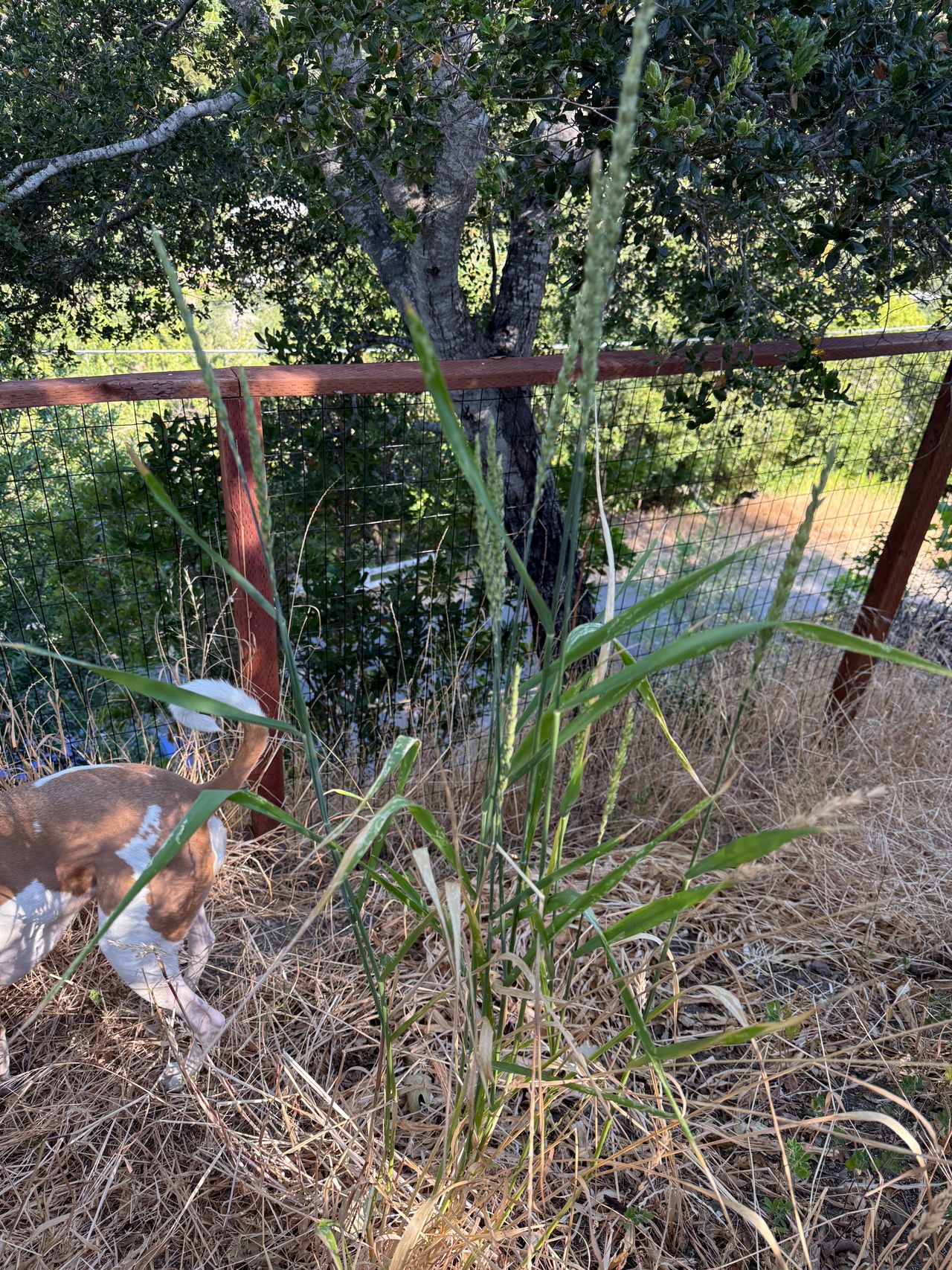
| | | | | Welcome. This week, a debate about ugly energy sources, and how fig trees are fighting climate change. But first, what parents need to know about summer camps and extreme weather. | | Traditional summer camps are, by design, exposed to nature. How much should parents worry? (KALINOVSKIY/iStockphoto) | | After devastating flash floods swept through Kerr County, Texas, last week killing at least 27 campers and counselors at Camp Mystic, parents in other parts of the country may be wondering: Is my child safe at summer camp? Statistically, camp in the United States is very safe. As has long been the case, the most common injuries are broken bones and cuts that occur during regular camp activities. Recent national statistics aren't available, but New York state tallied that among the 900,000 campers last summer, 550 experienced reportable injuries. None were fatal. But climate change, while making summers more intense, is altering the summer camp experience. Some camps are moving to restrict or cancel sports and outdoor activities during the hottest parts of the day to avoid heat stroke, replacing them with indoor, less-active alternatives. Camps in Minnesota have jury-rigged air filters and distributed N95 masks to reduce wildfire smoke exposure. In Ohio, some nights have been too hot for campfires. As the world faces more frequent extreme weather, understanding a camp's risk, and how well it's prepared, will only become more vital. After all, traditional summer camps are, by design, exposed to nature — and natural disasters. Jeff Rubin, a disaster-preparedness instructor and former emergency manager for Oregon's largest fire district, said he "got a hollow feeling" when he saw the first reports of the flooding in Kerr County. As a young EMT in 1987, he had responded to another flood there, about 30 miles from Camp Mystic. In that incident, 10 teenagers from a Christian camp died when their bus and van were swamped by the Guadalupe River and its tributaries. A tragedy like that, or what happened at Camp Mystic, shouldn't dissuade parents from sending their kids to camp, he said. It should encourage them to dig deep into how well a camp is prepared for extreme weather and other emergencies. "Risk is a function of hazard and vulnerability," he noted. I spoke with experts and camp owners across the country about how to know if the camp you choose is safe. Read the full column. Write me at climatecoach@washpost.com. I read all your emails. |  | Field Sample In Portugal, beachgoers were delighted, and frightened, by a "roll cloud" on June 29. As cold, moist air moves inland and meets warm dry air, the right conditions can create ominous tsunami-like cloud formations. These opaque, oblong roll clouds can stretch for hundreds of miles. | | "They look massive, like it goes on forever," said Paulo Ceppi, a senior lecturer in climate science at Imperial College London, "but they look scarier than they really are." Watch the full video. | | The "roll cloud" advancing toward the beaches of the Atlantic Ocean during the heat wave near Cabo da Roca, in southwestern Portugal. (Arthur Carvalho/AFP/Getty Images) | Snapshot Is coal "beautiful" and solar "ugly"? President Donald Trump's argument to promote fossil fuels over renewables leans heavily on aesthetics. "I call it clean, beautiful coal," he told Fox News's Maria Bartiromo last week. "I don't want windmills destroying our place. I don't want these solar things where they go for miles and they cover up a half a mountain that are ugly as hell." | | Crescent Dunes Solar Energy Project power plant in the dessert of Nevada. (Captain Wang/Shutterstock) | | See these photos and decide. "None of this stuff is going to be entirely free from these spillovers, and we have to make a choice," said Severin Borenstein, faculty director of the University of California at Berkeley's Haas School of Business Energy Institute. | | A coal mine in Lost Creek, Kentucky. (Diane Desobeau/AFP/Getty Images) |  | The Second Degree After I wrote about trying to escape the scourge of single-use plastic, your solutions flooded my inbox. In Massachusetts, Tina Grosowsky of Green Hudson helped pass a plastic reduction initiative that discontinued the use of any nonrecyclable plastic at restaurants and grocery stores in the town. Phoebe in Berkeley, California, has continued a covid-era routine with her favorite Vietnamese shop: "I brought my giant stock pot to my local Pho joint for three orders of noodle soup," she said. "It was glorious and we continued to do that after COVID. It's beneficial to the restaurant too: They save on the cost of the containers!" Others stashed containers in the trunks of their car to take leftovers home. "A small victory, but we feel good about it," wrote Charles. If restaurants won't use their containers, some order in and then transfer their food. Many of you had different advice: "Maybe the answer is 'no takeout?'" said Ken. |  | | Last year, I asked readers to join me in planting "chaos wheat" to see how climate-resilient crops fared in their gardens. This year, several of you have sent in photos of the wheat growing with a vengeance all on its own. "The wheat is back for another season!" wrote Michael Sesko of Fairfax, California. | | Adrian Deveny's garden in Falls Church, Virginia. | | For those with more than a few stalks, enjoy! "I've actually had daydreams of ripping up my grass and just planting wheat," wrote Adrian Deveny. Send me your photos and stories at climatecoach@washpost.com | | Michael Sesko's garden in Fairfax, California. | | Was this email forwarded to you? Sign up here to get The Climate Coach in your inbox every Tuesday. See you next Tuesday, Michael Coren, Climate Coach | | |







No comments:
Post a Comment