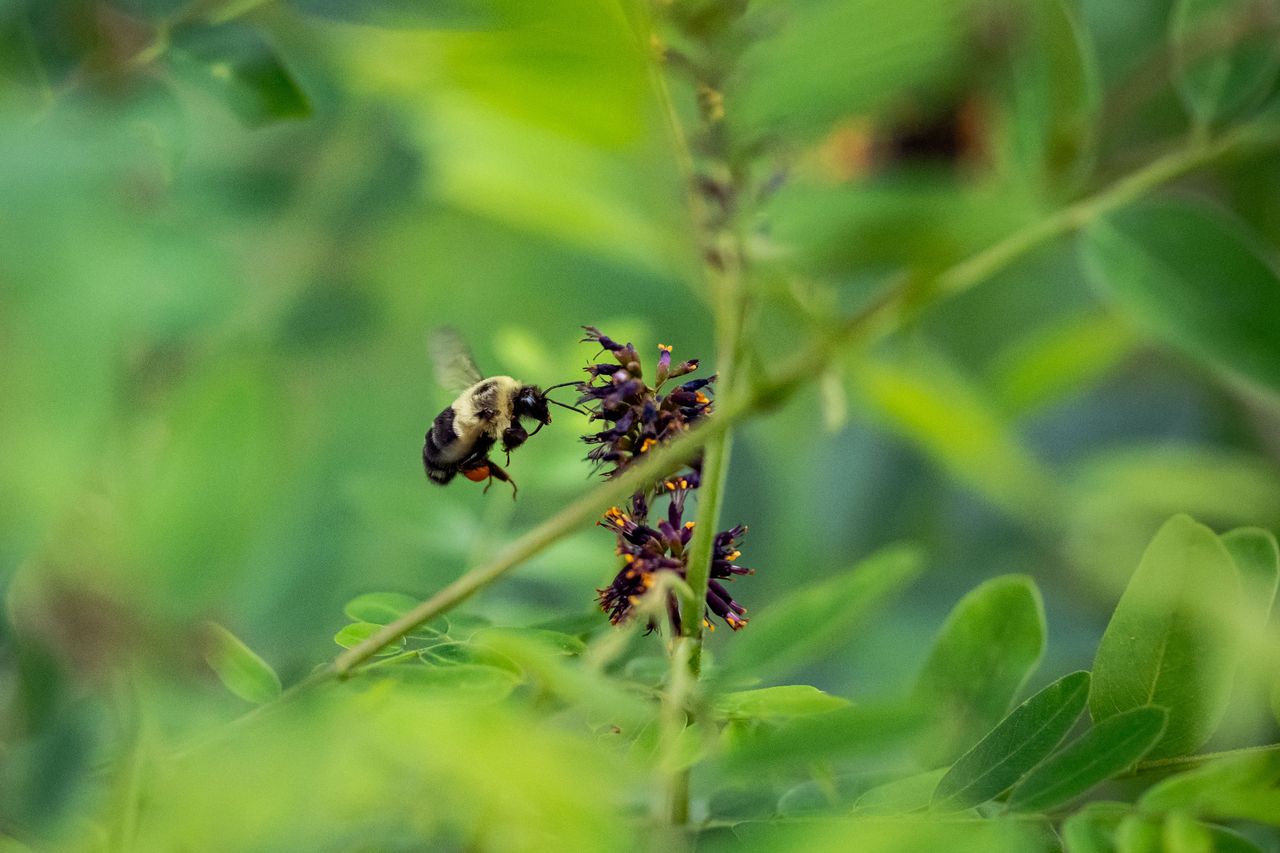
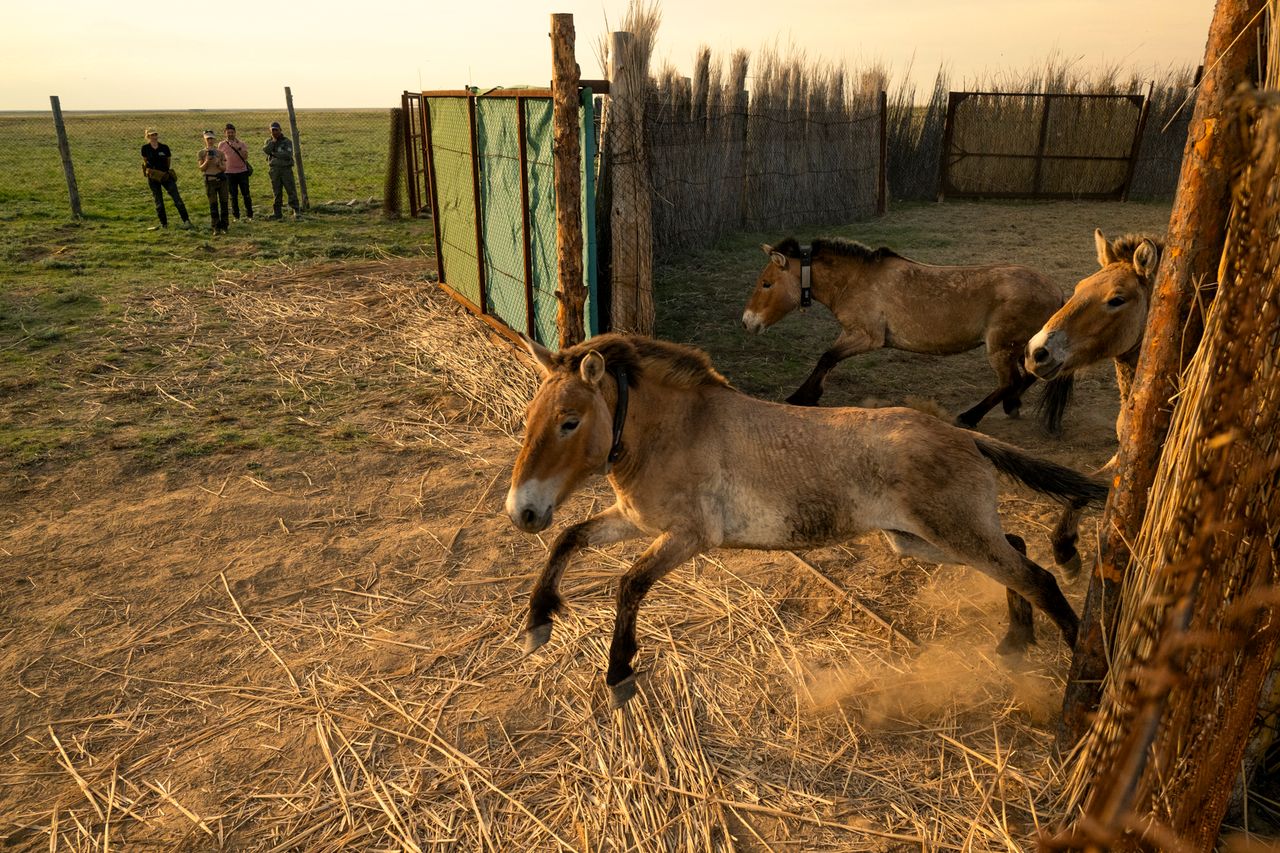
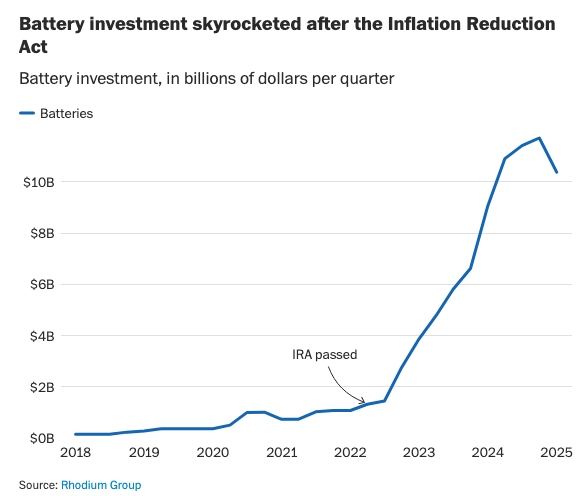
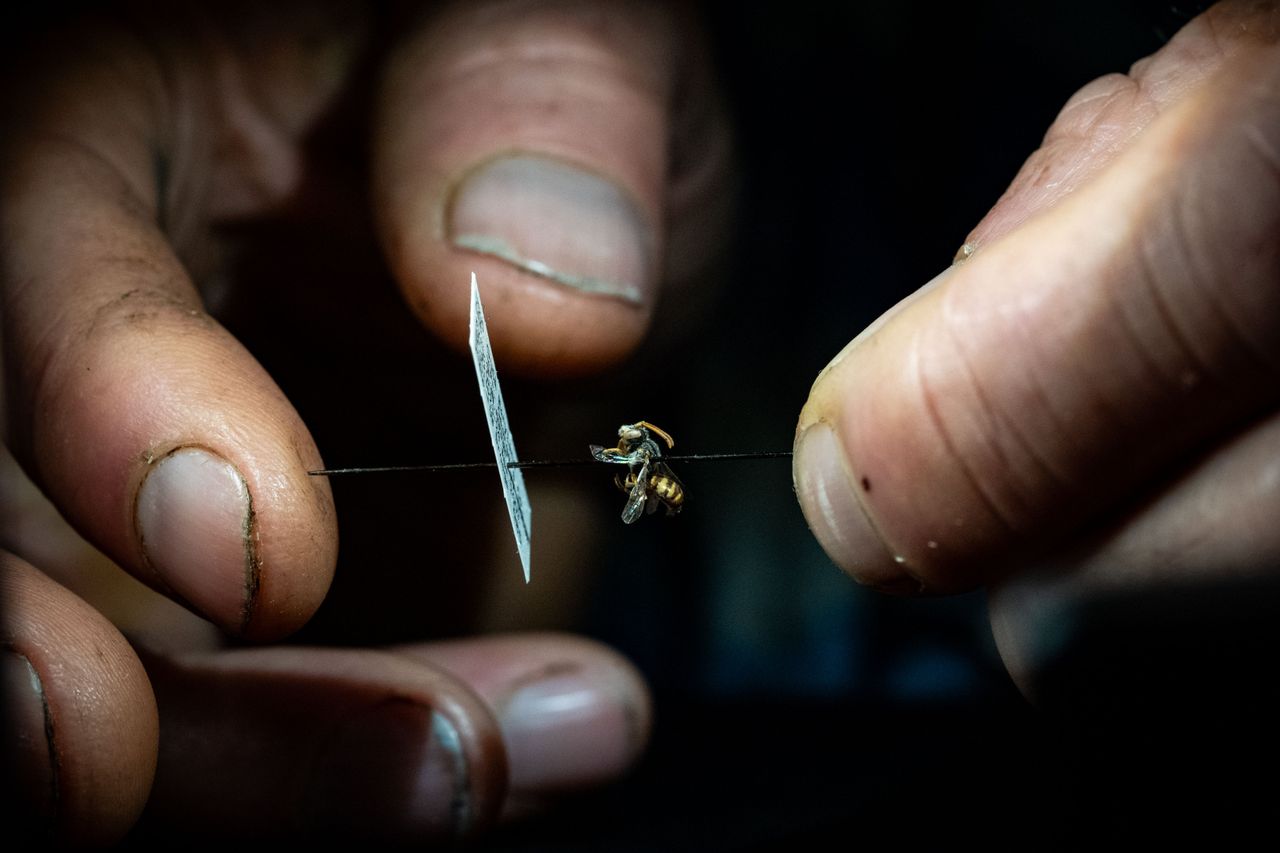
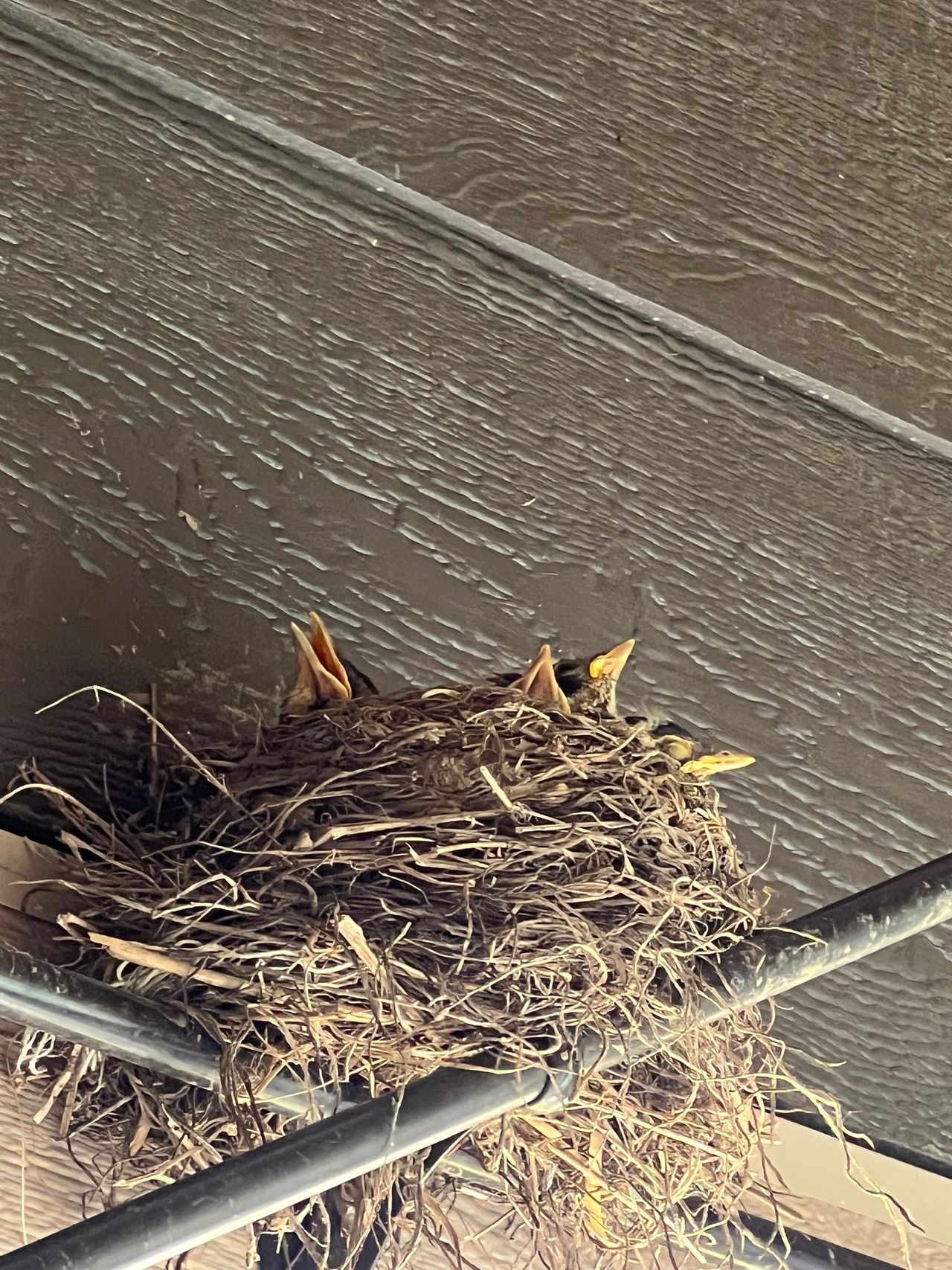
| | | | | A native bee approaches a flower at the Native Bee Inventory and Monitoring Lab in Laurel, Maryland. (Salwan Georges/The Washington Post) | | Welcome. This week, the last bee lab and stranded EV battery companies. I'm working on a series about plastics in our lives this week, but I'll be back next week with a new column. | Field Sample Przewalski's horses have been reintroduced to the steppes of Central Kazakhstan for the first time in more than 100 years. Six members of the sandy, stocky species were released into the wild this month, after having spent a year acclimating in a specially built reserve. | | (Courtesy of the Altyn Dala Conservation Initiative) | | The Altyn Dala Conservation Initiative, which has been working to restore the ecosystems of the steppe, hopes at least 40 of the horses will be roaming in the wild there by 2029, enough to ensure a self-sustaining population. Identified in 1881 by Russian geographer Nikolay Przhevalsky, and known locally as Kertagy, the species is considered the last genetically wild horse. It was declared extinct in the wild in 1969. This first batch sent to Kazakhstan came from zoos in Europe. They have had to learn to forage for food and adjust to the extreme climate of the region. | Learning Curve Government incentives helped put the U.S. electric vehicle industry on a competitive track. But the industry may falter, as EV sales slow and congressional Republicans move to revoke tax credits that have encouraged the domestic production of electric vehicles, batteries and parts. | | "In the absence of those policies, there's no reason that if I'm X vehicle manufacturer, I would go source an American battery," said Ben King, an associate director with energy and climate at Rhodium. "It's just objectively quite a bit more expensive than a Chinese counterpart." Here's why the future of American battery manufacturing may be over before it really got going. | Snapshot Native bees pollinate an estimated 80 percent of flowering plants around the world. Their populations are collapsing. They may be about to lose an ally in the United States. America's top federal lab studying theses species is expected to close under President Donald Trump's budget proposal, along with other federally funded wildlife research efforts. | | Sam Droege, 66, one of the world's leading native bee experts, holds a native bee specimen. (Salwan Georges/The Washington Post) | | Maryland's USGS Native Bee Inventory and Monitoring Lab has collected and identified more than 1 million specimens of pollinators. But active field work is on pause. Sam Droege, the wildlife biologist who runs the lab, is preparing for the worst. A native plant garden has been opened up to the public for people to dig out the flowers for themselves. Droege was told by agency officials not to speak publicly about the proposed closure. That hasn't deterred him. "I am letting people know how the loss of our publicly funded lab impacts the research and science of bees," he said. "Nothing radical." Read more about the future of America's bees. |  | | Birds are feasting on the insect bounty of summer. Shirley Wiggins sent in this photo of nestlings from her deck rafters in Middleton, Wisconsin. Send me your photos and stories at climatecoach@washpost.com | | Was this email forwarded to you? Sign up here to get The Climate Coach in your inbox every Tuesday. See you next Tuesday, Michael Coren, Climate Coach | | |



AbduazizMadyarov_tstmp_1750705792-1280-0.jpeg)





No comments:
Post a Comment